Convert
Canadian Dollar (CAD) to ConstitutionDAO (PEOPLE) Instantly
Purchase ConstitutionDAO (PEOPLE) with Canadian Dollar (CAD) easily at Switchere and benefit from fast, secure transactions.
About
ConstitutionDAO (PEOPLE)
ConstitutionDAO (PEOPLE) represents a landmark social experiment in the history of decentralized autonomous organizations (DAOs). Its primary purpose was to collectively raise capital using blockchain technology to purchase a rare, original copy of the U.S. Constitution at a Sotheby's auction. This initiative demonstrated the power of Web3 infrastructure for rapid, large-scale decentralized fundraising, amassing over $40 million in Ethereum in less than a week. The project operated on the Ethereum network, utilizing the Juicebox protocol for its crowdfunding smart contracts, which ensured transparency and automated treasury management.
The native digital asset, PEOPLE, was issued to contributors and functioned as a governance token, granting holders voting rights on the DAO's future decisions, such as storage and exhibition of the artifact if the bid were successful. Although the DAO was ultimately outbid, the PEOPLE token's story evolved. After the treasury was opened for refunds, the token became a symbol of community power and the potential of collective action in the digital age. It persists as a memetic token, embodying one of the most significant moments in DAO history and showcasing the on-chain coordination capabilities of a decentralized network.
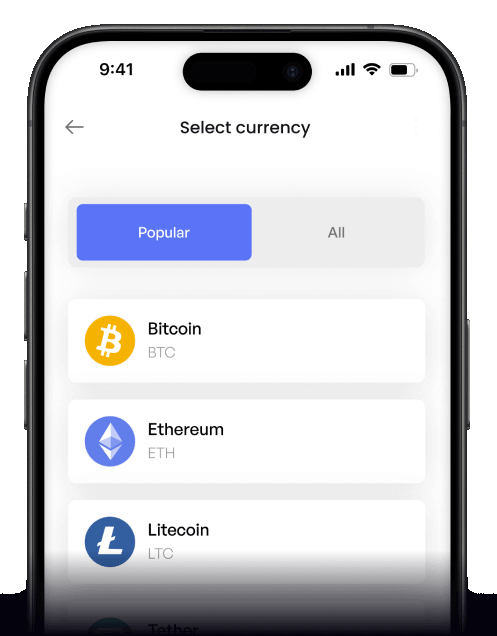
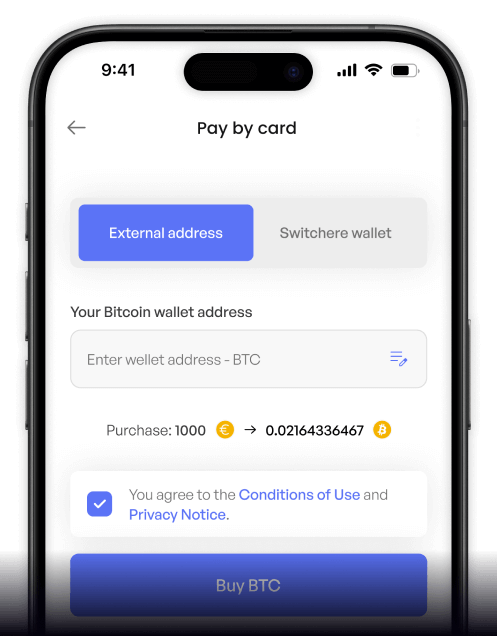
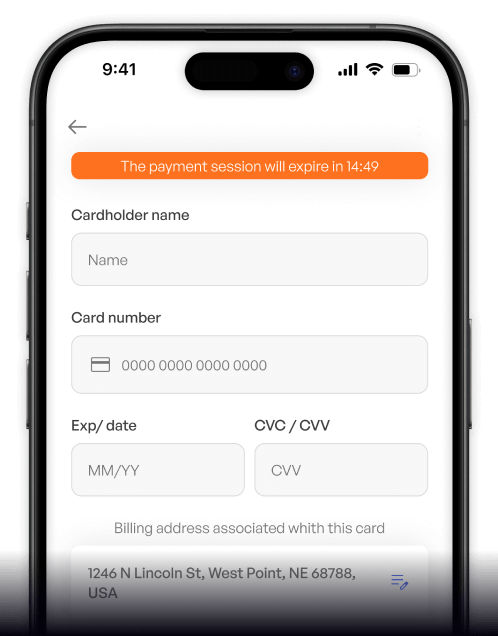
How to Buy ConstitutionDAO (PEOPLE)
Popular Coins for Canadian Dollar (CAD)
Other Coins for Canadian Dollar (CAD)
Frequently asked questions
-
What exactly is the CAD/PEOPLE trading pair?
The CAD/PEOPLE trading pair represents the exchange rate between the Canadian Dollar (CAD) and the ConstitutionDAO (PEOPLE) token. It allows you to determine how much PEOPLE, an ERC-20 governance token originating from a historic DAO crowdfunding event on the Ethereum blockchain, you can purchase with Canadian Dollars. This token's value is now primarily driven by community sentiment, making it a speculative digital asset. -
What is the common method for buying PEOPLE tokens with Canadian Dollars?
Direct CAD/PEOPLE trading pairs are uncommon. The standard process involves using a Canadian-friendly cryptocurrency exchange as a fiat on-ramp. You would first deposit CAD, often via Interac e-Transfer or bank wire, and complete KYC/AML compliance. Then, you purchase a major cryptocurrency like Ethereum (ETH) or a stablecoin like USDT. Finally, you trade that asset for PEOPLE on an exchange that lists the ETH/PEOPLE or USDT/PEOPLE pair. -
What types of fees are associated with converting CAD to PEOPLE?
Several fees can apply. First, there may be a CAD deposit fee from your payment provider or the exchange. Second, you'll incur trading fees for the CAD-to-ETH/USDT transaction and again for the ETH/USDT-to-PEOPLE transaction. Finally, if you withdraw your PEOPLE tokens to a personal digital wallet, you'll pay an exchange withdrawal fee plus an Ethereum network 'gas fee' (paid in Gwei), as PEOPLE is an ERC-20 token. -
Why is the PEOPLE token considered a speculative or meme coin?
PEOPLE was the governance token for ConstitutionDAO, a decentralized autonomous organization created to bid on a copy of the U.S. Constitution at a Sotheby's auction. After the DAO failed to win the auction, its original purpose became defunct. The token now lacks a direct utility or underlying project, so its value is driven almost entirely by community interest, social media trends, and market speculation, which are characteristic traits of a meme coin. -
What type of digital wallet do I need to store PEOPLE tokens securely?
Since PEOPLE is an ERC-20 token built on the Ethereum blockchain, you need an Ethereum-compatible wallet. For secure trading and self-custody, popular choices include software wallets like MetaMask or Trust Wallet, which offer browser extensions and mobile apps. For the highest level of security, consider a hardware wallet like a Ledger or Trezor, which keeps your private keys offline, protecting your digital assets from online threats.