


Desvendando o Spread no Trading de Criptomoedas
Um guia essencial sobre custos, mecânicas e riscos do mercado de criptoativos.
Introdução: Decodificando o Spread no Trading de Criptomoedas
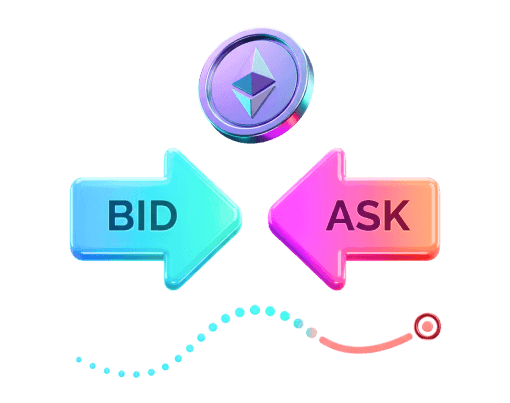
Ao entrar no mercado de criptomoedas, um dos primeiros termos que você encontrará é 'spread'. Simplificando, o spread é a diferença entre o preço de compra (ask) e o preço de venda (bid) de um criptoativo em um determinado momento. Pense nele como um custo fundamental e implícito em cada transação que você realiza. Não é uma taxa separada listada em um extrato, mas sim uma diferença de preço que afeta o valor de entrada e saída de suas posições.
Compreender o spread é essencial porque ele impacta diretamente a sua rentabilidade. Um spread mais amplo significa um custo maior para operar, exigindo um movimento de preço mais significativo a seu favor apenas para cobrir esse custo inicial. Este guia foi projetado para analisar o conceito de spread, explicando como ele funciona, o que o influencia e outros custos e fatores de mercado que todo participante deve conhecer.
O spread é a diferença entre o preço mais alto que um comprador está disposto a pagar por um ativo (bid) e o preço mais baixo que um vendedor está disposto a aceitar (ask). É uma forma primária pela qual as plataformas de negociação geram receita.
Compre criptomoedas de forma rápida, fácil e segura com o Switchere!

Digitalize para baixar o aplicativo
A Mecânica: Como o Spread de Cripto é Calculado?
O tamanho do spread de um criptoativo não é arbitrário; ele é determinado por uma combinação de fatores de mercado e da plataforma. O principal deles é o 'bid-ask spread' do mercado subjacente, que reflete a oferta e a demanda em tempo real. Mercados com alta liquidez e grande volume de negociação, geralmente associados a criptomoedas com grande capitalização de mercado, tendem a ter spreads mais apertados. Em contraste, ativos menos negociados apresentam spreads mais amplos devido ao menor número de compradores e vendedores.
A volatilidade também desempenha um papel crucial. Períodos de alta volatilidade podem alargar os spreads, pois os provedores de liquidez enfrentam maior risco. Além disso, as plataformas de negociação podem incorporar seu próprio componente ao spread. Esta pode ser uma 'fee charged on crypto transactions', funcionando como uma taxa administrativa para cobrir os custos operacionais. Assim, o spread que você vê pode ser uma combinação de um 'market-based component' e uma taxa da plataforma, afetando diretamente os preços dos criptoativos para posições longas e curtas.
Entender a composição do spread, incluindo o spread do mercado e quaisquer taxas adicionais da plataforma, é fundamental para avaliar o custo real de uma transação.
Os Guardiões: Quem é Elegível para Este Tipo de Negociação de Cripto?
O acesso à negociação de certos produtos de criptoativos, especialmente derivativos como CFDs (Contratos por Diferença) e 'spread bets', não é universal. Órgãos reguladores em todo o mundo estabeleceram regras para proteger os investidores, o que muitas vezes resulta em restrições de elegibilidade. Por exemplo, as regras da FCA no Reino Unido proíbem a venda desses derivativos para clientes de varejo. Consequentemente, em muitas jurisdições, apenas 'professional traders' podem acessar esses mercados.
Para se qualificar como um cliente profissional, os indivíduos geralmente precisam atender a critérios rigorosos relacionados à sua experiência de negociação, ao tamanho de suas participações em criptomoedas ou ao seu portfólio de investimentos geral. Isso pode incluir ter um capital significativo, como um valor nocional de £250.000, e um histórico comprovado de negociação em volumes elevados. Essas regras existem porque os derivativos envolvem alavancagem, o que amplifica tanto os ganhos quanto as perdas, sendo considerados de maior risco.
Tipos de Contas de Negociação
Conta de Varejo: Destinada a investidores individuais com proteções regulatórias mais fortes, mas com acesso restrito a produtos complexos como derivativos de cripto.
Conta Profissional: Para traders experientes que atendem a critérios específicos de capital e atividade, oferecendo acesso a uma gama mais ampla de produtos e maior alavancagem, mas com menos proteções regulatórias.
Além do Spread: Entendendo as Taxas de Financiamento Overnight
O spread é um custo de transação, mas não é o único. Para posições mantidas abertas de um dia para o outro, especialmente em produtos alavancados, entra em jogo uma taxa de 'overnight funding'. Esta é essencialmente uma taxa de juros paga ou recebida para manter uma posição aberta durante a noite. A cobrança existe porque, ao usar alavancagem, você está efetivamente pegando emprestado o capital necessário para abrir uma posição maior do que o seu depósito.
O 'funding calculation' varia para posições longas e curtas. Para 'long positions', você geralmente paga uma taxa de financiamento, que reflete o 'cost of funds' para manter a posição. Para 'short positions', você pode receber uma taxa, embora isso dependa das taxas de juros de referência. O 'daily funding adjustment' é calculado com base no 'notional value' total da sua posição e na 'overnight funding rate' aplicável. É um fator crítico a ser considerado para estratégias de negociação de longo prazo, pois esses custos podem se acumular com o tempo.
Terremotos de Mercado: Como os Forks da Blockchain Afetam as Posições de Negociação
O mercado de criptoativos tem características únicas, e uma das mais disruptivas é o 'hard fork'. Um hard fork ocorre quando uma mudança no código de uma criptomoeda não é compatível com as versões mais antigas, resultando em uma divisão da blockchain ('blockchain split'). Isso pode criar uma 'viable second cryptocurrency' a partir da original. Para os traders, um hard fork iminente introduz uma incerteza significativa.
As plataformas de negociação têm políticas específicas para lidar com esses eventos. Elas podem suspender temporariamente a negociação no 'underlying market' para proteger os clientes da volatilidade extrema. Se uma nova criptomoeda viável surgir, a plataforma pode, a seu critério, tentar criar uma 'equivalent position' para os clientes na nova moeda, com base em suas participações existentes. No entanto, não há garantia disso. A 'responsibility for awareness of forks' recai sobre o trader, que deve se manter informado através da 'notification of blockchain forks' da sua plataforma e de notícias do mercado.
Uma divisão permanente na blockchain, criando duas versões separadas.
As posições abertas podem ser suspensas ou ajustadas pela plataforma de negociação.
Os traders são responsáveis por se manterem informados sobre os próximos forks.
Quando o Mercado Congela: Disponibilidade e Restrições de Negociação
A negociação de criptomoedas nem sempre está disponível 24/7 sem interrupções. As plataformas podem impor uma 'trading suspension' ou 'order restrictions' por vários motivos. A 'price volatility' extrema é uma causa comum, onde os movimentos de preço são tão rápidos e drásticos que os 'liquidity providers' retiram suas cotações do mercado, esvaziando os 'order books' e tornando impossível executar negociações a preços justos.
Outras situações podem levar a restrições. Após um 'hard fork', a negociação no novo ativo pode ser restrita. Em condições de mercado onde há um desequilíbrio esmagador de compradores, um mercado pode se tornar 'unlongable', significando que novas posições de compra não podem ser abertas. As plataformas também podem definir um 'notional size limit' para controlar a exposição. Em casos de risco elevado, uma plataforma pode colocar um mercado em modo de 'position reduction', permitindo apenas ordens que fechem ou reduzam posições existentes, mas não que abram novas.
Navegando no Mercado de Cripto: Principais Conclusões
Dominar o conceito de spread é o primeiro passo para navegar no mercado de criptoativos, mas a jornada não termina aí. É um custo inerente que afeta cada operação, moldado pela liquidez, volume e volatilidade. No entanto, uma abordagem informada requer uma visão mais ampla, abrangendo todos os custos associados, como as taxas de financiamento overnight que podem impactar as posições mantidas por mais tempo.
Igualmente importante é entender o ambiente regulatório, que define quem pode acessar certos produtos, como derivativos, e sob quais condições. Finalmente, a própria natureza da tecnologia introduz riscos únicos, como hard forks, que podem levar a suspensões de negociação e reconfigurar o mercado. Estar ciente desses custos, regras e riscos operacionais é fundamental para interagir com os mercados de criptoativos de forma responsável e estratégica.
| Conceito Chave | Implicação Prática |
| Spread | O custo primário e implícito de cada transação. |
| Financiamento Overnight | Um custo contínuo para manter posições alavancadas abertas. |
| Regulamentação | Determina a elegibilidade e o acesso a produtos de negociação complexos. |
| Eventos de Mercado | Forks e volatilidade podem levar a suspensões de negociação e riscos inesperados. |
Perguntas frequentes
-
O spread é a única taxa que pago ao negociar cripto?
Não. O spread é um custo primário, mas não o único. Se você mantiver uma posição alavancada aberta de um dia para o outro, também poderá incorrer em taxas de financiamento overnight, que são custos de juros sobre o capital emprestado. -
Por que clientes de varejo não podem negociar derivativos de cripto em algumas regiões?
Reguladores, como a FCA no Reino Unido, restringem a venda de derivativos de cripto (como CFDs) a clientes de varejo para protegê-los dos altos riscos associados à alavancagem e à volatilidade. Apenas traders que atendem a critérios profissionais rigorosos podem acessá-los. -
O que acontece com minha operação aberta durante um hard fork?
A política varia entre as plataformas. A negociação do ativo pode ser temporariamente suspensa. Se uma nova criptomoeda viável for criada, a plataforma pode tentar fornecer uma posição equivalente na nova moeda, mas isso não é garantido. É crucial verificar a política da sua plataforma. -
O que é uma taxa de financiamento overnight?
É uma taxa cobrada (ou paga) para manter uma posição de negociação alavancada aberta de um dia para o outro. Ela representa o custo do empréstimo do capital usado para financiar a porção alavancada da sua negociação. -
Por que uma plataforma suspenderia a negociação de uma criptomoeda?
Uma plataforma pode suspender a negociação por vários motivos, incluindo volatilidade de preço extrema, falta de liquidez dos provedores, manutenção do sistema ou em resposta a eventos de mercado significativos como um hard fork para proteger os traders.
Guias de criptografia
Para iniciantes
A Estrutura Operacional dos Mercados de Trading Entenda de forma objetiva como os participantes navegam pela liquidez, riscos e execução tecnológica financeira.
 Farouk Ahmed
|
Farouk Ahmed
|
Mecânica do Intraday Trading A infraestrutura operacional e técnica das negociações de ações no mesmo dia
 Alexey Morozov
|
Alexey Morozov
|
Como Estruturar Lucros de Day Trading Sob Um EIN Guia informativo sobre estruturas corporativas, separação de renda e administração de contas de corretagem institucionais.
 Oliver Grant
|
Oliver Grant
|

Nosso site usa cookies. Nossa política de cookies