


Hvad er Copy Trading, og hvordan fungerer det?
En komplet guide til at forstå mekanikken, fordelene og risiciene ved automatiseret kopihandel.
Afkodning af Copy Trading: Kernekonceptet
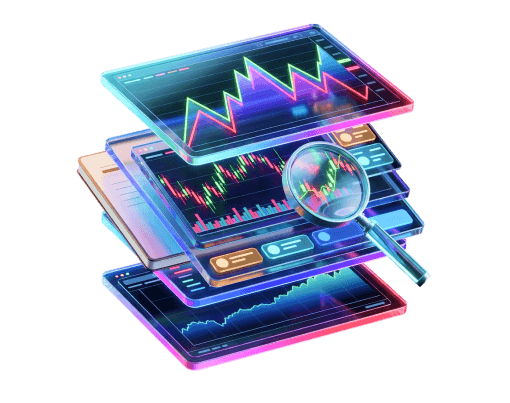
Copy trading er en tilgang, der lader investorer automatisk kopiere de handler, der udføres af erfarne handlende, kendt som signal providers. Når en signal provider åbner eller lukker en position i et aktiv som en aktie eller valuta, replikeres den samme handling øjeblikkeligt på kontoen hos dem, der kopierer, kendt som copiers. Hele processen styres via en specialiseret trading platform, der forbinder de to parter. Målet for kopierere er at drage fordel af signal providerens ekspertise og trading strategy uden selv at skulle udføre dybdegående technical analysis af charts eller konstant overvåge svingende market conditions. Platforme viser typisk en signal providers winning percentage over en bestemt time period for at hjælpe kopierere med at vurdere deres potentielle return.
En erfaren trader, hvis handler gøres tilgængelige for andre at kopiere automatisk. Deres performance, strategi og risikoprofil er typisk synlige for potentielle kopierere.

Mekanikken: Hvordan Copy Trading Rent Faktisk Fungerer
Processen bag copy trading er bygget op omkring teknologi, der sikrer problemfri position replication. Når en kopierer beslutter sig for at følge en signal provider, allokerer de en del af deres kapital. Fra det øjeblik vil enhver handel, som provideren foretager, automatisk blive spejlet på kopiererens konto. Denne form for automated trading kræver ingen manuel indgriben efter opsætningen. Copy trading platforms fungerer som mellemmænd, der sikrer præcis og hurtig trade execution. Dette adskiller sig markant fra manual trading, hvor hver beslutning træffes individuelt. Nogle platforme tilbyder også semi-automated trading, hvor brugeren får notifikationer om handler og selv skal godkende dem. Konceptet stammer fra mirror trading, men hvor mirror trading kopierer en algoritmisk strategi, kopierer copy trading de specifikke handlinger fra en menneskelig trader.
| Type | Kontrolniveau | Beskrivelse |
| Automatiseret Handel | Lav | Handler eksekveres automatisk baseret på en forudvalgt strategi eller trader. |
| Semi-automatiseret Handel | Medium | Brugeren modtager signaler, men skal selv godkende hver enkelt handel. |
| Manuel Handel | Høj | Brugeren træffer alle beslutninger og udfører selv alle handler. |
De Primære Fordele ved Copy Trading Systemer
Den største tiltrækningskraft ved copy trading er muligheden for market access for personer uden den tid eller ekspertise, der kræves til aktiv handel. Det er en time-saving solution, der potentielt kan give en form for passive income, selvom afkast aldrig er garanteret. En anden markant fordel er diversification. Ved at kopiere flere handlende med forskellige strategier og markedsfokus kan en bruger sprede sin risiko på tværs af sin portfolio allocation. De fleste platforme tilbyder fuld trading performance transparency, hvilket giver brugerne adgang til detaljeret historik og statistik for hver signal provider. Dette gør det lettere at træffe informerede beslutninger. Selvom der ofte er en performance fee, hvor en procentdel af overskuddet går til provideren, finder mange, at dette er en fair model, da betalingen er direkte knyttet til positive resultater.
- Adgang til markeder for begyndere.
- Sparer tid på research og analyse.
- Mulighed for diversificering af porteføljen.
- Gennemsigtighed i traders performance.
- Markedsrisiko er uundgåelig.
- Tidligere resultater garanterer ikke fremtidigt afkast.
- Mindre kontrol over egne investeringer.
- Der kan opstå forsinkelser (slippage).
Forståelse af de Indbyggede Risici og Begrænsninger
Selvom copy trading kan virke ligetil, er det afgørende at forstå risiciene. Den mest åbenlyse er market risk: Hvis den trader, du kopierer, taber penge, gør du det også. Der findes ingen garanti for succes, og detaljeret gennemgang af trader histories er essentiel. En anden risiko er execution risk, som inkluderer slippage – forskellen mellem den forventede pris på en handel og den faktiske pris, den udføres til. Dette kan ske i perioder med høj market volatility. Desuden kan oplevelsen af lack of control være en psykologisk udfordring for nogle. Du overlader dine beslutninger til en anden, hvilket kræver tillid. Effektiv money management er derfor altafgørende. Brugere bør altid anvende værktøjer som stop levels for at begrænse potentielle tab og nøje overveje lead trader selection, da det er den vigtigste beslutning i hele processen.
Husk altid, at tidligere resultater ikke er en garanti for fremtidigt afkast. Enhver form for investering indebærer risiko, og det er muligt at tabe den investerede kapital.
Valg af Platform: Hvad du skal kigge efter
At vælge den rigtige platform er nøglen til en god oplevelse med copy trading. En user-friendly experience er vigtig, især for nye brugere, så det er let at navigere og finde information. Kig efter platforme, der tilbyder en wide range of assets, så du har mulighed for at diversificere. Gennemsigtighed er afgørende: En god platform giver et detaljeret signal provider’s profile, som viser historisk afkast, risikoniveau, most frequently traded products og generel trading style. Vurder også platformens service fees – er der abonnementer, gebyrer pr. handel, eller en performance-baseret model? Analyse af en providers risk-to-reward ratio kan give indsigt i, hvor meget risiko de tager for at opnå deres afkast. Mange platforme, der understøtter MT4, har også integrationer for copy trading.
Sørg for, at du kan se fuld handelshistorik og risikoscore.
Forstå alle omkostninger, før du starter, f.eks. performance-gebyrer.
Vælg platforme, der er reguleret af anerkendte finansielle myndigheder.
Markeder og Instrumenter tilgængelige for Copy Trading
Copy trading er ikke begrænset til én type marked. Teknologien er blevet anvendt på tværs af et bredt spektrum af finansielle instrumenter. Det startede oprindeligt og er stadig meget populært inden for forex-handel (FX market), hvor tradere spekulerer i currency ticker symbols for majors som EUR/USD. Siden da er det ekspanderet til at omfatte stocks fra forskellige market sectors, store indices som S&P 500, og commodities som guld og olie. Med fremkomsten af digitale aktiver har copy trading også fundet vej til cryptocurrencies, hvor brugere kan kopiere strategier for alt fra Bitcoin til mindre altcoins. Denne udvikling er tæt knyttet til blockchain-teknologi og den bredere Web3-bevægelse, hvilket åbner op for nye muligheder for decentraliseret finans.
Fremtiden for Copy Trading
Fremtiden for copy trading ser ud til at blive formet af teknologiske fremskridt. Artificial intelligence (AI) forventes at spille en større rolle, hvor trading algorithms kan hjælpe brugere med at analysere og udvælge de bedste signal providers baseret på komplekse datamønstre, der går ud over simpel historisk performance. Blockchain-teknologi kan øge gennemsigtigheden og sikkerheden ved at skabe et uforanderligt register over alle handler, hvilket styrker tilliden i social trading networks. Vi vil sandsynligvis også se en udvidelse til endnu flere aktivklasser, efterhånden som Web3-økosystemet modnes. Integrationen med sociale medier vil sandsynligvis blive endnu tættere, hvilket skaber mere dynamiske fællesskaber, hvor viden og strategier deles åbent, og grænsen mellem social interaktion og finansiel aktivitet bliver mere flydende.
Nøglebegreber for Fremtiden
Kunstig Intelligens (AI): Bruges til at analysere traders performance og identificere mønstre, som mennesker måske overser, for at forbedre udvælgelsesprocessen.
Blockchain: Kan tilbyde en gennemsigtig og uforanderlig registrering af handler, hvilket øger tilliden mellem kopierere og signal providers.
Ofte stillede spørgsmål
-
Er copy trading sikkert?
Platforme bruger typisk stærke sikkerhedsforanstaltninger til at beskytte din konto og dine midler. Men selve handlen indebærer markedsrisiko. Det betyder, at du kan tabe penge, hvis de handlende, du kopierer, træffer dårlige beslutninger. Sikkerhed omfatter både platformens robusthed og den iboende risiko ved investering. -
Kan jeg tabe mere end mit oprindelige indskud?
På de fleste moderne copy trading platforme, især hvis du ikke bruger gearing (margin), kan du ikke tabe mere end det beløb, du har allokeret til at kopiere en bestemt trader. Hvis der handles med gearing, øges risikoen dog markant, og i nogle tilfælde kan tab overstige det oprindelige indskud. Læs altid platformens vilkår og betingelser. -
Hvordan er gebyrerne for copy trading typisk struktureret?
Gebyrstrukturer varierer. Nogle platforme opkræver et månedligt abonnementsgebyr. Andre bruger en performance fee-model, hvor du betaler en procentdel (f.eks. 10-30%) af dit overskud til den trader, du kopierer. Nogle platforme tjener penge via spreads (forskellen mellem købs- og salgspris) og opkræver ingen direkte gebyrer. -
Skal jeg have erfaring med trading for at starte med copy trading?
Nej, copy trading er designet til at være tilgængeligt for begyndere. Du behøver ikke selv at kunne analysere markederne. Det er dog afgørende, at du forstår de grundlæggende principper for risiko og er villig til at bruge tid på at undersøge og udvælge de tradere, du vil kopiere. -
Hvordan vælger jeg en god trader at kopiere?
Kig efter konsistens over en lang tidsperiode, ikke kun kortsigtede gevinster. Analyser deres historiske performance, risikoscore (som mange platforme tilbyder), antallet af følgere og deres handelsstil. Passer deres strategi til din egen risikotolerance? En trader med lavere, men stabilere afkast kan være et bedre valg end en, der tager store risici for høje gevinster.
Krypto-guider
Begynder-frendly
Forståelse af de finansielle markeder og handelens mekanismer En analytisk gennemgang af hvordan markedsdeltagere interagerer med forskellige aktiver og handelsplatforme.
 Farouk Ahmed
|
Farouk Ahmed
|
Mekanikken bag Intraday Trading Forstå platformene, markedsdynamikkerne og systemerne bag moderne dagshandel.
 Alexey Morozov
|
Alexey Morozov
|
Strukturering af markedsaktiviteter gennem en virksomhed Forstå de tekniske og organisatoriske aspekter ved at overføre kapitalforvaltning til et formelt selskab.
 Oliver Grant
|
Oliver Grant
|

Vores hjemmeside bruger cookies. Vores cookiepolitik