


Convert
Japanese yen (JPY) to Flux (FLUX) Instantly


Purchase Flux (FLUX) with Japanese yen (JPY) easily at Switchere and benefit from fast, secure transactions.
About
Flux (FLUX)
Flux (FLUX) is a premier decentralized Web3 infrastructure project designed to provide highly scalable, decentralized cloud computing power. Operating as an AWS alternative for the blockchain space, the Flux ecosystem aims to decentralize the internet by allowing developers to build, host, and deploy decentralized applications (dApps) simultaneously across multiple servers. At the core of this decentralized network is FluxOS, a revolutionary second-layer operating system that manages computational resources and ensures seamless cross-chain interoperability.
Unlike many modern networks shifting to staking, Flux utilizes a robust Proof-of-Work (PoW) consensus mechanism optimized for ASIC resistance, empowering GPU miners to secure the digital ledger. The network is further strengthened by decentralized FluxNodes, enterprise-grade server nodes that provide guaranteed computational power in exchange for staking rewards. The native digital asset, FLUX, functions as the ultimate utility token powering this Web3 ecosystem. It is utilized for purchasing network resources, paying node hosting fees, participating in on-chain governance, and mining rewards.
A unique selling proposition of Flux is its parallel assets technology, enabling the FLUX token to interact across major smart contract platforms like Ethereum and BNB Chain, enhancing DeFi applications and liquidity. Paired with the multi-asset Zelcore wallet, Flux firmly establishes itself as a foundational building block for a truly decentralized internet, bridging the gap between traditional enterprise servers and innovative blockchain technology.

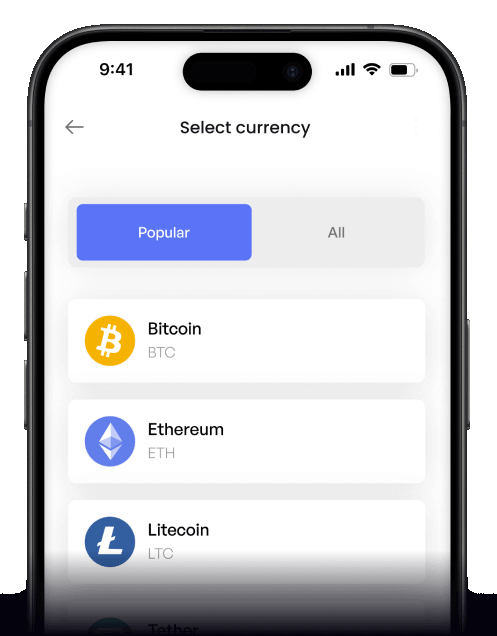
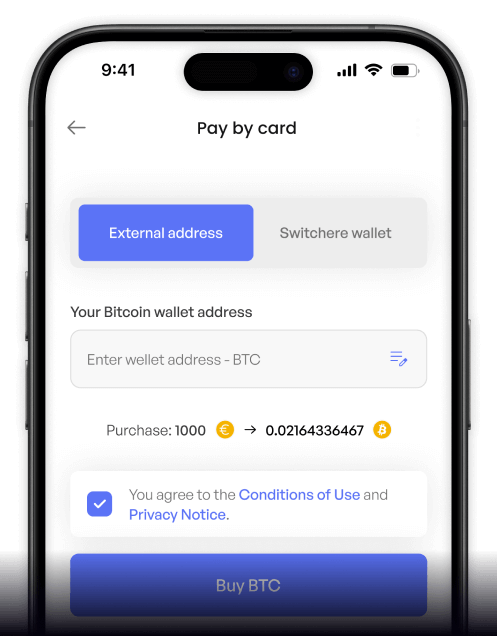
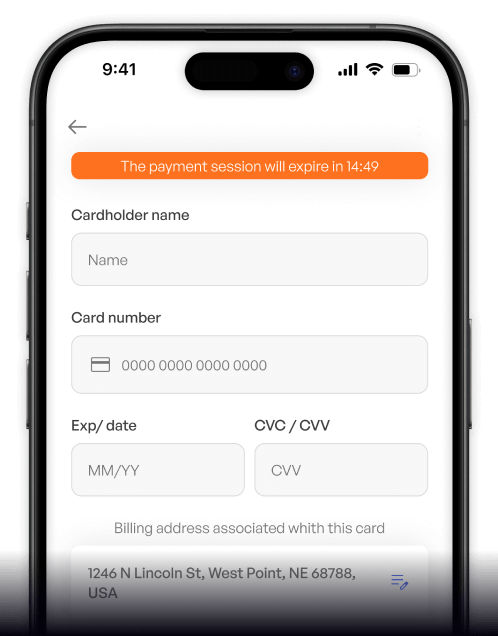
How to Buy Flux (FLUX)
 Step-by-step guidance
 Easy credit card payments
 Streamlined purchase process
 Web
Web
Popular Coins for Japanese yen (JPY)





Other Coins for Japanese yen (JPY)





Frequently asked questions
-
How can I buy Flux (FLUX) directly with Japanese Yen (JPY)?
To purchase FLUX using Japanese Yen, you typically need to use a fiat gateway or a regulated cryptocurrency exchange that supports JPY deposits. While direct JPY/FLUX trading pairs might have lower liquidity compared to major pairs, you can fund your account via domestic bank transfer (Furikomi) or credit card, buy a base digital asset like BTC or USDT, and then trade it for FLUX to access its decentralized Web3 infrastructure. -
What is the most secure digital wallet for storing FLUX purchased with JPY?
After executing your JPY to FLUX transaction on an exchange, it is highly recommended to withdraw your tokens to a secure non-custodial digital wallet. The official Zelcore wallet is deeply integrated into the Flux ecosystem, supporting FLUX and its parallel assets across multiple blockchains. For maximum security, hardware wallets (cold storage) can also be used to safeguard your decentralized cloud computing assets. -
Are there specific KYC/AML requirements when trading the JPY/FLUX pair in Japan?
Yes, utilizing regulated exchanges in Japan for fiat on-ramps requires strict adherence to KYC (Know Your Customer) and AML (Anti-Money Laundering) compliance. When initiating a JPY bank transfer to buy cryptocurrency, you must complete identity verification. This ensures secure trading and regulatory compliance before you can participate in the Flux Web3 hosting network. -
What are the typical transaction fees when converting Japanese Yen to FLUX?
Transaction costs vary depending on the chosen cryptocurrency exchange and payment method. JPY domestic bank transfers usually incur lower fees compared to debit or credit card purchases. Additionally, you must account for the exchange's maker/taker trading fees on the order book and standard network transaction fees (gas) when transferring your FLUX tokens to your personal Zelcore wallet. -
Why buy FLUX tokens instead of traditional cloud computing assets?
Purchasing FLUX provides direct exposure to a decentralized Web3 infrastructure rather than centralized corporate servers. FLUX operates on a Proof-of-Work (PoW) consensus mechanism and utilizes a global network of FluxNodes. By holding the token, users can participate in node operation, benefit from cross-chain interoperability via parallel assets, and support censorship-resistant decentralized applications (dApps).

Buy on the go
Anywhere. Anytime.
Buy crypto with your credit card from anywhere. Live rates, transparent fees, and 3D Secure on every order - the full Switchere card-buy experience in your pocket.



Scan to download the app iOS and Android

