


Convert
Swiss Franc (CHF) to Arbitrum (ARB) Instantly


Purchase Arbitrum (ARB) with Swiss Franc (CHF) easily at Switchere and benefit from fast, secure transactions.
About
Arbitrum (ARB)
Arbitrum (ARB) is a premier Layer-2 scaling solution designed to drastically enhance the performance of the Ethereum network. By utilizing optimistic rollups, this Web3 infrastructure addresses the inherent scalability limitations of the Ethereum blockchain, enabling significantly higher transaction throughput while maintaining robust cryptographic security. Arbitrum achieves this by executing transactions off-chain and subsequently bundling them into a single proof submitted to the main decentralized network. This architecture results in substantially lower gas fees for users and developers without compromising the foundational security of Layer-1.
A key technical advantage of Arbitrum is its seamless Ethereum Virtual Machine (EVM) compatibility, further bolstered by the Arbitrum Nitro upgrade. This allows developers to easily deploy existing smart contracts and decentralized applications (dApps) onto the network with minimal friction. Consequently, it has become a central hub for DeFi applications, liquidity protocols, and NFT ecosystems.
The ARB digital asset serves as the native governance token within the Arbitrum DAO. It empowers token holders to vote on critical on-chain decisions, including protocol upgrades, funding allocations, and dispute resolution mechanisms. As a leading layer-2 protocol, Arbitrum plays a vital role in shaping the scalable future of decentralized finance and smart contract technology.

How to Buy Arbitrum (ARB)
 Step-by-step guidance
 Easy credit card payments
 Streamlined purchase process
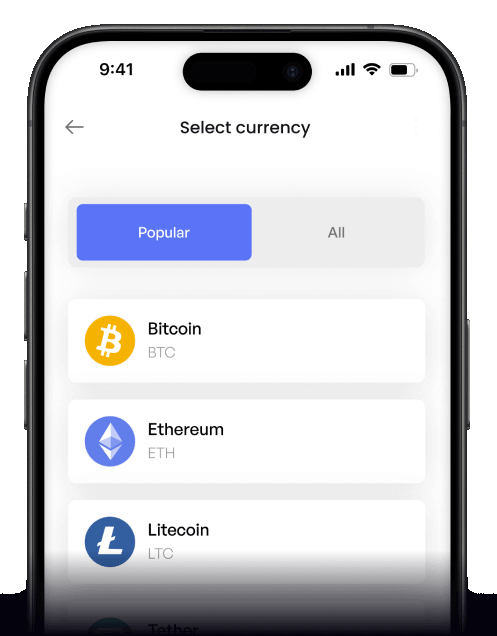
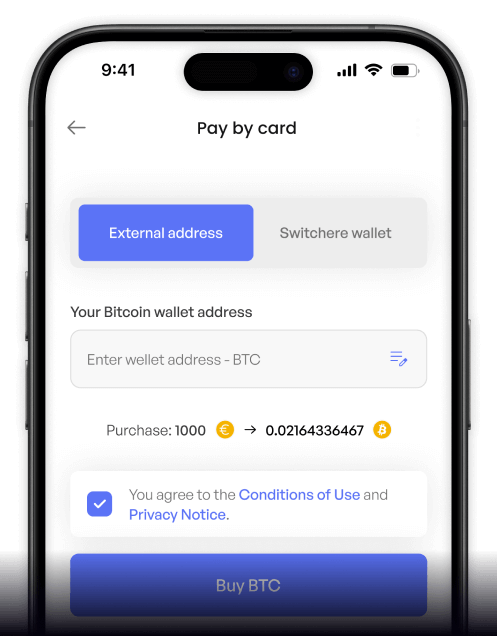
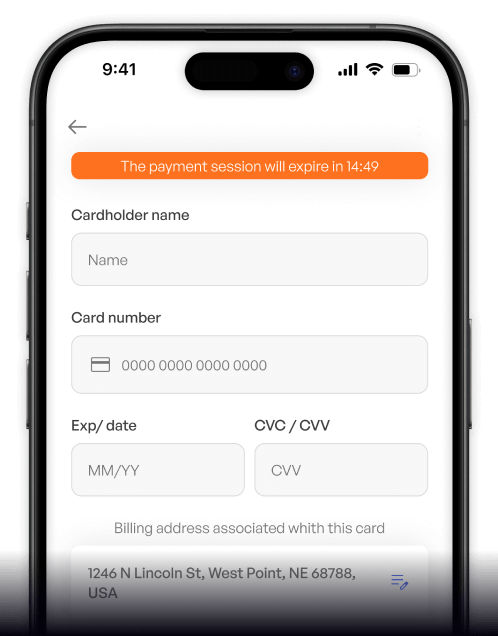
 Web
Web
Popular Coins for Swiss Franc (CHF)





Other Coins for Swiss Franc (CHF)





Frequently asked questions
-
How can I convert Swiss Francs (CHF) to Arbitrum (ARB) using a fiat on-ramp?
To convert CHF to ARB, you need to use a cryptocurrency exchange that acts as a fiat gateway. Arbitrum is a leading Layer 2 scaling solution that utilizes Optimistic Rollup technology to relieve Ethereum mainnet congestion. By purchasing ARB tokens directly with Swiss Francs, you gain entry into the Arbitrum One ecosystem, participating in its decentralized DAO governance while bypassing initial high Ethereum gas fees. -
What are the most efficient payment methods for buying ARB with CHF?
For users in Switzerland, funding your digital wallet via a Swiss bank transfer using the SIC (Swiss Interbank Clearing) system is typically the most cost-effective method. Many FINMA-regulated exchanges also accept credit cards or TWINT for immediate digital asset purchases, though these may carry higher transaction fees compared to standard wire transfers. -
What KYC/AML compliance steps are required when trading the CHF/ARB pair?
Before executing a blockchain transaction from fiat to crypto, regulated exchanges require Know Your Customer (KYC) and Anti-Money Laundering (AML) verification. You will need to provide government-issued ID and proof of address. This secure trading protocol ensures that your transition from traditional Swiss finance into the decentralized Web3 and Arbitrum Nitro environment remains legally compliant and protected against fraud. -
Why is buying Arbitrum (ARB) strategically relevant for decentralized finance (DeFi) users?
ARB is the governance token for the Arbitrum protocol, allowing holders to vote on key DAO decisions. Acquiring ARB directly with CHF provides immediate exposure to an ecosystem known for vastly improved transaction throughput and reduced latency compared to Layer 1. This liquidity allows users to interact with advanced dApps and smart contracts on Arbitrum without needing to bridge assets from Ethereum first. -
How do trading fees and order book liquidity impact the CHF to Arbitrum exchange rate?
The effective exchange rate depends on the platform's order book liquidity and trading volume. High-liquidity markets offer tighter spreads between the CHF purchase price and the ARB market value. Additionally, consider the platform's maker/taker fees and any fiat deposit fees. Once purchased, moving ARB to a self-custody wallet incurs a minimal Layer 2 network fee, which is significantly cheaper than standard ERC-20 transfers.

Buy on the go
Anywhere. Anytime.
Buy crypto with your credit card from anywhere. Live rates, transparent fees, and 3D Secure on every order - the full Switchere card-buy experience in your pocket.



Scan to download the app iOS and Android

