


- Hjemmeside
- Konverter
- Ukrainian Hryvnia (UAH) til Polygon (POL)

Konverter
Ukrainian Hryvnia (UAH) til Polygon (POL) med det samme


Køb Polygon (POL) med Ukrainian Hryvnia (UAH) nemt hos Switchere og nyd godt af hurtige, sikre transaktioner.
Omkring
Polygon (POL)
Polygon er med sit opgraderede native token POL (som efterfølger MATIC) ved at skabe en fremtid som internettets værdilag ved at omdanne Ethereum til et fuldt udbygget økosystem med flere kæder, ofte betegnet som "blockchains internet". Dets primære formål er at afhjælpe Ethereums skalerbarhedsbegrænsninger og høje transaktionsomkostninger ved at skabe en ramme for opbygning og forbindelse af Ethereum-kompatible blockchain-netværk. Polygon 2.0-visionen introducerer et aggregeringslag, der er designet til at forene forskellige Layer 2-skaleringsløsninger, herunder den veletablerede Proof-of-Stake (PoS) commit-kæde og avancerede zero-knowledge (ZK) rollup-teknologier som Polygon zkEVM, under et sammenhængende og interoperabelt netværk med delt sikkerhed.
Dette samlede netværk udnytter robuste konsensusmekanismer og kryptografisk sikkerhed til at muliggøre transaktioner med høj gennemstrømning og lav latenstid for en bred vifte af decentrale applikationer (dApps) og Web3-infrastruktur. POL-tokenet er centralt i dette økosystem, idet det letter validering af netværkssikkerhed på tværs af de samlede kæder, muliggør deltagelse i on-chain governance for protokolopgraderinger og fungerer som gastoken for transaktionsgebyrer. Polygons omfattende pakke, herunder Polygon Chain Development Kit (CDK), giver udviklere mulighed for at lancere ZK-drevne L2'er, hvilket fremmer et skalerbart, sikkert og sammenkoblet digitalt aktivlandskab, der er afgørende for væksten i DeFi-applikationer og den bredere anvendelse af blockchain-teknologi.

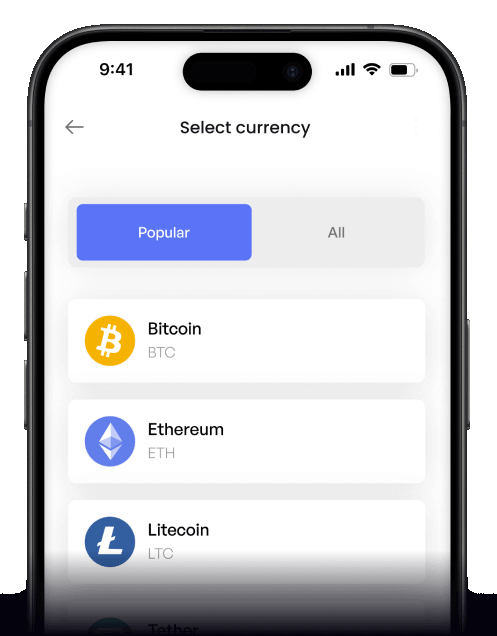
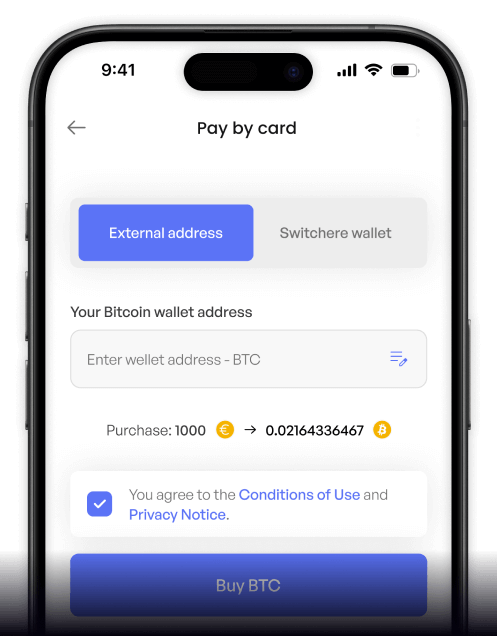
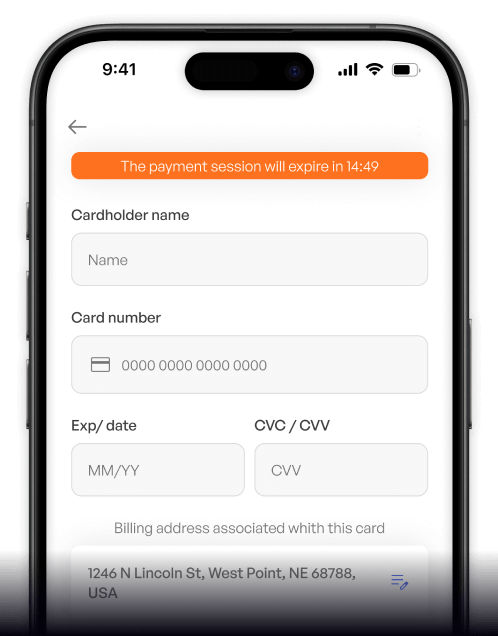
Sådan køber du Polygon (POL).
 Trin-for-trin vejledning
 Nemme betalinger med kreditkort
 Strømlinet købsproces
 Web
Web
Populære mønter for Ukrainian Hryvnia (UAH)





Andre mønter til Ukrainian Hryvnia (UAH)




Ofte stillede spørgsmål
-
Hvad er de almindelige metoder til at købe Polygon (POL) med ukrainske Hryvnia (UAH)?
For at købe det digitale aktiv POL med UAH kan du bruge en centraliseret kryptovalutabørs, der tilbyder UAH som en fiat on-ramp. Typisk indebærer dette at gennemføre en KYC/AML-verificeringsproces og derefter indbetale UAH via ukrainske bankkort (Visa/Mastercard) eller populære lokale betalingssystemer. En anden metode er at bruge peer-to-peer (P2P) platforme, som forbinder købere og sælgere direkte til UAH-transaktioner. -
Hvad er betydningen af Polygons opgradering til POL for dets multi-chain økosystem?
Opgraderingen fra MATIC til POL er en central del af Polygon 2.0-visionen. POL er designet som en hyperproduktiv token, der giver indehavere mulighed for at fungere som validatorer og tjene belønninger på tværs af flere Polygon-kæder, ikke kun én. Denne re-staking-mekanisme forbedrer sikkerheden for hele Polygon-økosystemet, inklusive dets PoS-kæde, nye zk-Rollups og alle kæder bygget med Polygon CDK (Chain Development Kit), hvilket fremmer et samlet multi-chain miljø. -
Hvilken slags gebyrer skal jeg forvente, når jeg behandler en UAH til POL blockchain-transaktion?
Når du konverterer UAH til POL, vil du støde på flere potentielle gebyrer. For det første kan børsen eller fiat-gatewayen opkræve et indbetalingsgebyr for UAH eller et handelsgebyr for konverteringen. Hvis du bruger et bankkort, kan der også pålægges et gebyr fra betalingsbehandleren. Endelig, når du hæver dine POL til en privat digital tegnebog, betaler du et netværkstransaktionsgebyr, som på Polygon PoS typisk er meget lavt og betales i dens oprindelige token. -
Hvordan gavner Polygons EVM-kompatibilitet brugere, der køber POL?
Polygons kompatibilitet med Ethereum Virtual Machine (EVM) er en stor fordel. Det betyder, at decentraliserede applikationer (dApps) og smarte kontrakter fra Ethereum kan køre på Polygon med minimale ændringer. For en bruger, der køber POL, betyder dette adgang til et stort og modent økosystem af DeFi-protokoller, NFT-markedspladser og spil, men med de ekstra fordele ved Polygons Layer-2-skalering, som giver hurtigere transaktionshastigheder og betydeligt lavere gasgebyrer sammenlignet med Ethereum-mainnet. -
Efter at have erhvervet POL med UAH, hvad er de primære anvendelsestilfælde for tokenet inden for Polygon-økosystemet?
Udover at holde det som et digitalt aktiv er de primære anvendelsestilfælde for POL tredobbelte: 1) Staking: Du kan stake POL for at hjælpe med at sikre netværket og tjene belønninger. Med Polygon 2.0-opgraderingen udvides dette til at validere flere kæder. 2) Governance: POL-indehavere kan deltage i at foreslå og stemme om Polygon Improvement Proposals (PIPs). 3) Gasgebyrer: Tokenet bruges til at betale for blockchain-transaktionsgebyrer på Polygons forskellige kæder, hvilket muliggør interaktion med dApps og smarte kontrakter.

Køb, hvor du er
Hvor som helst. Når som helst.
Køb kryptovaluta med dit kreditkort, uanset hvor du befinder dig. Aktuelle kurser, gennemsigtige gebyrer og 3D Secure ved hver eneste ordre – den fulde Switchere-oplevelse ved kortkøb lige i lommen.



Scan for at downloade appen til iOS og Android

