


전환하다
Ukrainian Hryvnia (UAH)에서 Avalanche C-Chain (AVAX)로 즉시


Switchere에서 Avalanche C-Chain (AVAX)로 Ukrainian Hryvnia (UAH)를 간편하게 구매하고 빠르고 안전한 거래의 혜택을 누리세요.
정보
Avalanche C-Chain (AVAX)
아발란체(AVAX)는 확장성이 뛰어난 블록체인 기술 플랫폼으로, 탈중앙화 애플리케이션(dApp)을 호스팅하고 맞춤형 블록체인 네트워크를 쉽게 생성할 수 있도록 설계되었습니다. 주요 목적은 높은 처리량, 짧은 지연 시간, 강력한 탈중앙화를 제공하여 블록체인의 트릴레마를 해결하는 것입니다. 아발란체는 새로운 합의 메커니즘, 지분 증명(PoS) 기반에 구축된 프로토콜 제품군(스노우맨 등)을 통해 이를 달성하여 1초 미만의 트랜잭션 완결성을 가능하게 합니다. 따라서 까다로운 디파이 애플리케이션과 암호화 보안이 필요한 엔터프라이즈급 솔루션을 위한 매력적인 디지털 자산 인프라가 될 수 있습니다.
핵심적인 특징은 개발자가 자체 규칙, 가상 머신(C-Chain의 EVM 호환성 포함), 토큰노믹스를 가질 수 있는 맞춤형 애플리케이션별 블록체인을 출시할 수 있는 아발란체의 서브넷 아키텍처입니다. 이러한 서브넷은 독립적으로 운영되거나 기본 네트워크와 보안을 공유할 수 있습니다. 기본 유틸리티 토큰인 AVAX는 이 탈중앙화 네트워크 내에서 중요한 역할을 합니다. 거래 수수료를 지불하고, 검증자의 스테이킹을 통해 네트워크를 보호하며, 여러 서브넷에서 기본 계정 단위로 사용됩니다. 아발란체는 선도적인 레이어 1 스마트 컨트랙트 플랫폼으로 인정받고 있으며, 웹 3.0 인프라의 혁신을 주도하고 다양한 온체인 생태계를 육성하고 있습니다.

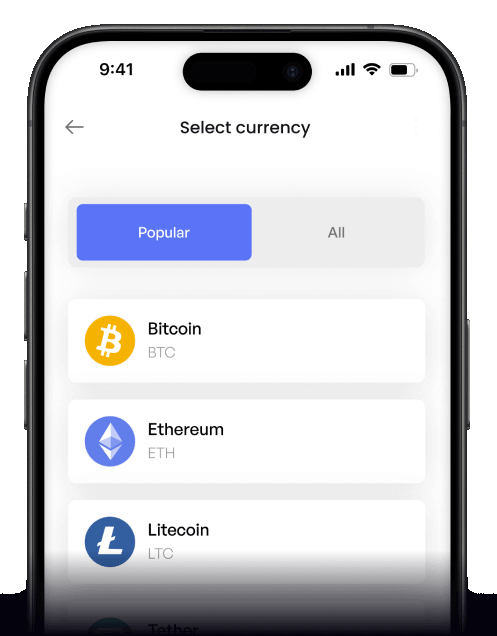
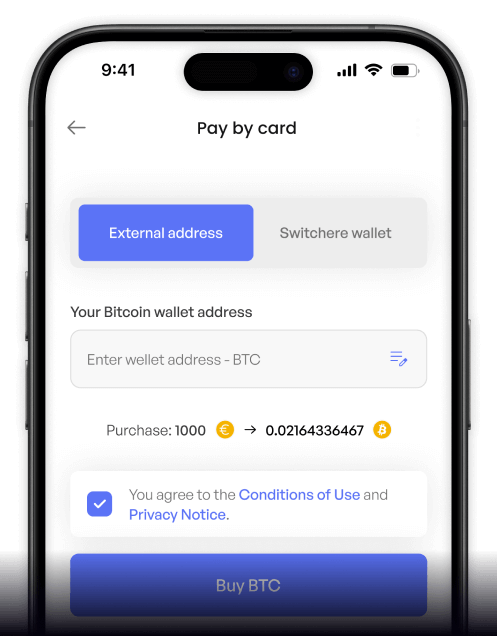
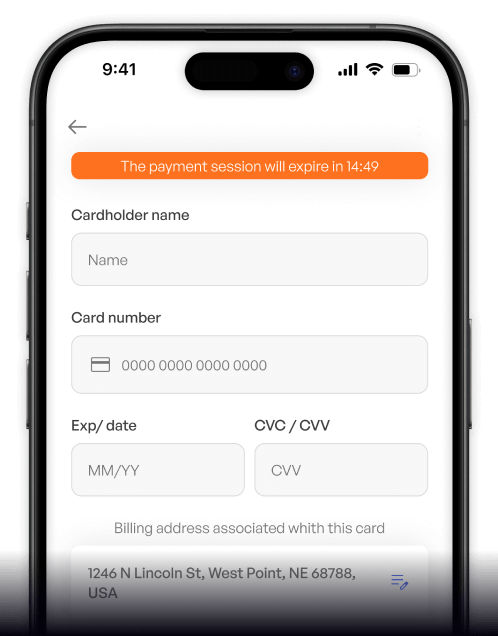
Avalanche C-Chain (AVAX) 구매 방법
 단계별 안내
 간편한 신용카드 결제
 간소화된 구매 프로세스
 Web
Web
Ukrainian Hryvnia (UAH)에 대한 인기 있는 동전





Ukrainian Hryvnia (UAH)의 다른 코인





자주 묻는 질문
-
우크라이나 흐리우냐(UAH)로 애벌랜치(AVAX)를 구매하는 일반적인 방법은 무엇인가요?
UAH로 AVAX를 구매하려면 가장 일반적인 법정화폐 온램프 방법은 UAH 입금을 지원하는 중앙화된 암호화폐 거래소를 이용하는 것입니다. 사용자는 일반적으로 PrivatBank나 Monobank와 같은 은행의 우크라이나 은행 카드(Visa/Mastercard)를 통해 계정에 자금을 입금할 수 있습니다. 개인 간(P2P) 플랫폼 또한 직접 거래를 위한 인기 있는 옵션입니다. 모든 평판 좋은 플랫폼은 이러한 디지털 자산 구매에 대해 KYC/AML 규정 준수를 요구합니다. -
dApp 개발자와 사용자에게 애벌랜치 네트워크의 주요 장점은 무엇인가요?
애벌랜치의 핵심 장점은 맞춤형 애플리케이션별 블록체인인 서브넷을 특징으로 하는 독특한 아키텍처입니다. 이는 엄청난 확장성을 가능하게 하고 다른 플랫폼에서 볼 수 있는 네트워크 혼잡을 방지합니다. 또한, C-체인은 EVM과 완벽하게 호환되어 개발자가 이더리움 dApp을 쉽게 이식할 수 있으며, 애벌랜치의 높은 트랜잭션 완결성과 AVAX로 지불되는 낮은 가스비를 누릴 수 있습니다. -
AVAX를 구매한 후, 보관을 위한 최상의 보안 관행은 무엇인가요?
안전한 거래와 보관을 위해, 거래소에서 개인 키를 직접 제어하는 비수탁형 디지털 지갑으로 AVAX를 옮기는 것이 강력히 권장됩니다. 옵션으로는 Ava Labs의 공식 코어 월렛이나 애벌랜치 C-체인에 맞게 설정된 메타마스크와 같은 호환 지갑이 있습니다. 이러한 자가 수탁 관행은 디지털 자산을 보호하고 P-체인에서 AVAX를 스테이킹하는 등 애벌랜치 생태계와 상호 작용하는 데 매우 중요합니다. -
애벌랜치 합의 프로토콜 내에서 AVAX 토큰의 기능은 무엇인가요?
AVAX 토큰은 네트워크의 보안과 운영에 필수적입니다. 주요 기능은 다음과 같습니다: 네트워크의 모든 블록체인 거래에 대한 가스비 지불, 검증인이 합의에 참여하기 위해 AVAX를 잠그는 플랫폼 체인(P-체인)에서의 스테이킹을 통한 네트워크 보안, 그리고 애벌랜치에서 생성된 다양한 서브넷 간의 기본 계정 단위 역할. -
애벌랜치의 C-체인, X-체인, P-체인의 차이점을 설명해 주시겠어요?
애벌랜치는 세 개의 상호 운용 가능한 블록체인을 사용합니다: X-체인(거래소 체인)은 디지털 자산을 생성하고 거래하는 데 사용됩니다. P-체인(플랫폼 체인)은 네트워크 검증인을 조정하고 서브넷을 관리하는 데 사용됩니다. C-체인(계약 체인)은 이더리um 가상 머신(EVM)의 인스턴스로, 스마트 계약 및 dApp을 생성하고 상호 작용하는 데 사용됩니다. DeFi에서 사용하기 위해 AVAX를 구매할 때 주로 C-체인과 상호 작용하게 됩니다.

언제 어디서나 구매하세요
어디서나. 언제든지.
어디서든 신용카드로 암호화폐를 구매하세요. 실시간 환율, 투명한 수수료, 모든 주문에 적용되는 3D Secure까지 – Switchere의 완벽한 카드 구매 서비스를 손안에서 경험해 보세요.



스캔하여 iOS 및 Android용 앱을 다운로드하세요

