


Convert
Ukrainian Hryvnia (UAH) to Injective Protocol (INJ) Instantly


Purchase Injective Protocol (INJ) with Ukrainian Hryvnia (UAH) easily at Switchere and benefit from fast, secure transactions.
About
Injective Protocol (INJ)
Injective Protocol (INJ) is a specialized Layer-1 blockchain built to power the next generation of decentralized finance (DeFi) applications. Engineered using the Cosmos SDK and a Tendermint-based Proof-of-Stake (PoS) consensus mechanism, Injective offers a highly interoperable, scalable, and MEV-resistant infrastructure optimized for financial primitives. Its core distinguishing feature is the industry's first fully on-chain order book module, which allows developers to build sophisticated decentralized exchanges (DEXs), prediction markets, and derivatives platforms with unparalleled speed and efficiency. This architecture provides the user experience of centralized finance within a completely decentralized network.
As a key component of the Cosmos ecosystem, Injective leverages the Inter-Blockchain Communication (IBC) protocol, enabling seamless cross-chain transactions and asset transfers with other IBC-enabled blockchains. The native utility token, INJ, is central to the protocol's operation. It is used for governance, allowing holders to vote on network upgrades, as a utility token for paying transaction fees, and for staking to secure the network. A unique tokenomic feature is the weekly token burn auction, where 60% of exchange fees are auctioned off and subsequently burned, creating a deflationary mechanism for the digital asset.

How to Buy Injective Protocol (INJ)
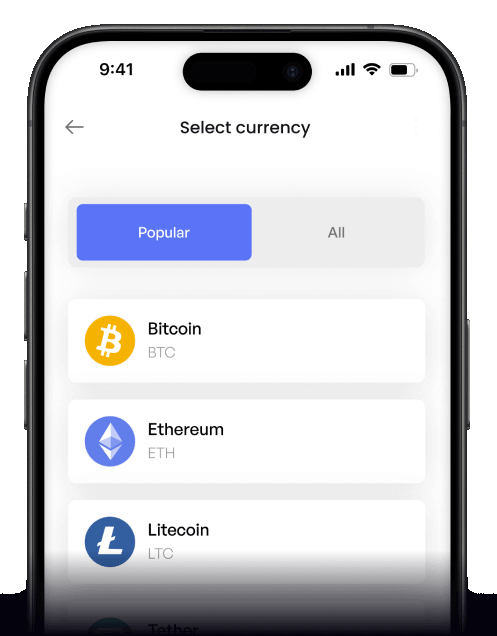
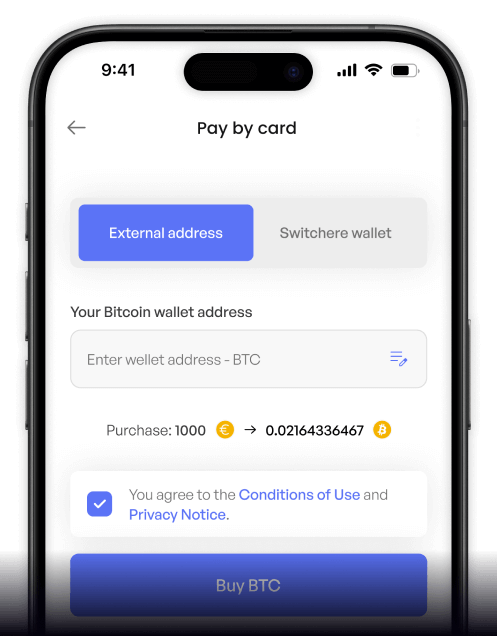
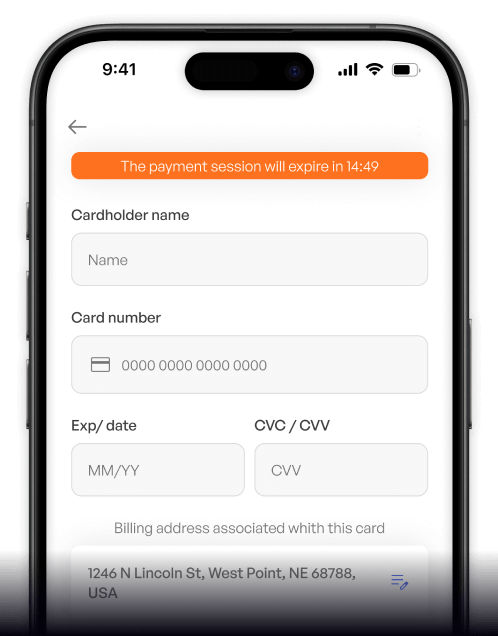
 Step-by-step guidance
 Easy credit card payments
 Streamlined purchase process
 Web
Web
Popular Coins for Ukrainian Hryvnia (UAH)




Other Coins for Ukrainian Hryvnia (UAH)









Frequently asked questions
-
What is the most common way to buy Injective (INJ) with Ukrainian Hryvnia (UAH)?
The most common method is using a cryptocurrency exchange that offers a UAH fiat on-ramp. Users typically complete a KYC/AML compliance check, deposit UAH via a Ukrainian bank card (like Privat24 or Monobank), and then execute a trade on the INJ/UAH pair. Alternatively, some use P2P platforms to directly purchase INJ or a stablecoin like USDT with UAH, which can then be swapped for INJ, a native token on the Cosmos SDK-based blockchain. -
What is the role of the INJ token within the Injective ecosystem once acquired?
The INJ token is central to the Injective Protocol. Its primary utilities include: 1) Governance, allowing holders to vote on proposals. 2) Staking to secure the network, which is built on a Tendermint-based PoS consensus mechanism. 3) A unique burn auction mechanism where 60% of fees from dApps are auctioned off weekly, and the paid INJ is burned, creating a deflationary pressure. 4) Collateral backing in various DeFi applications within its Web3 finance hub. -
How does Injective's decentralized order book model differ from other exchanges?
Unlike many DEXs that use Automated Market Makers (AMMs), Injective features a fully decentralized on-chain order book. This provides the familiar user experience of centralized exchanges but with the transparency and self-custody of DeFi. Because it's built using the Cosmos SDK and leverages the Inter-Blockchain Communication (IBC) protocol, it can support fast, cross-chain trading with zero gas fees for users, offering a significant advantage in speed and cost. -
What are the security best practices after executing a UAH to INJ digital asset purchase?
After purchasing INJ on an exchange, it is highly recommended to transfer your assets to a non-custodial digital wallet where you control the private keys. Wallets compatible with the Cosmos ecosystem, such as Keplr or Leap, are ideal. For enhanced security, consider using a hardware wallet. Staking INJ from your personal wallet not only helps secure the network but also reduces the risk associated with leaving assets on a centralized platform. -
Are there typical trading fees or processing times for UAH deposits to buy INJ?
Yes, factors vary by platform. UAH deposits via Ukrainian bank cards are often fast, processing within minutes, but may incur a deposit fee of 1-3% from the payment processor or exchange. Trading fees on the order book are typically between 0.1% and 0.2%. P2P transactions have variable rates set by the seller but often have lower direct fees. Always review the fee schedule of your chosen fiat on-ramp before committing to a digital asset purchase.

Buy on the go
Anywhere. Anytime.
Buy crypto with your credit card from anywhere. Live rates, transparent fees, and 3D Secure on every order - the full Switchere card-buy experience in your pocket.



Scan to download the app iOS and Android

