


Convert
Ukrainian Hryvnia (UAH) to Kusama (KSM) Instantly


Purchase Kusama (KSM) with Ukrainian Hryvnia (UAH) easily at Switchere and benefit from fast, secure transactions.
About
Kusama (KSM)
Kusama (KSM) is a public pre-production environment and "canary network" for Polkadot, offering a live, multichain network for radical innovation. Built with the Substrate framework, it shares a similar codebase to Polkadot but with faster governance and more lenient parameters, creating a perfect proving ground for new blockchain technology. Developers can test decentralized applications, forkless upgrades, and novel on-chain governance models under real economic conditions before deploying to Polkadot. Unlike a testnet, Kusama is an independent, decentralized network with its own native utility token, KSM, making it a key platform for early-stage Web3 infrastructure projects seeking to iterate quickly and experiment with bleeding-edge features in a high-stakes environment.
The network's architecture features a central Relay Chain providing shared security and interoperability to connected, application-specific blockchains called parachains. This heterogeneous sharding design is secured by a Nominated Proof-of-Stake (NPoS) consensus mechanism, allowing KSM holders to participate as validators or nominators. The KSM token is central to the ecosystem's tokenomics. Its primary utility lies in bonding for parachain slot auctions, where projects lock up KSM to secure a spot on the network. It's also used for staking to secure the digital ledger and as a governance token, giving holders voting rights on network referenda, thereby shaping the protocol’s evolution.

How to Buy Kusama (KSM)
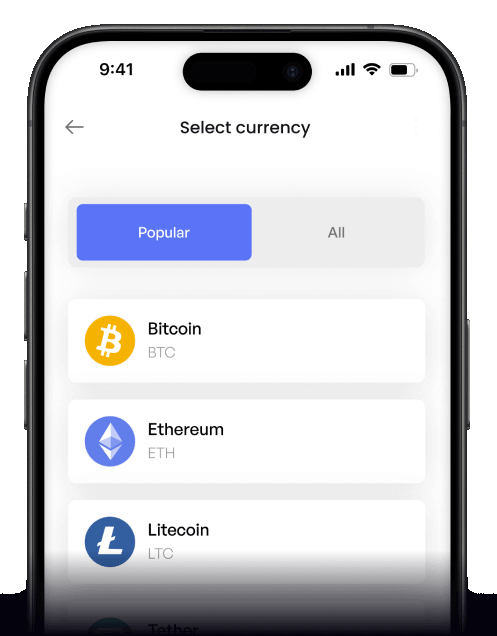
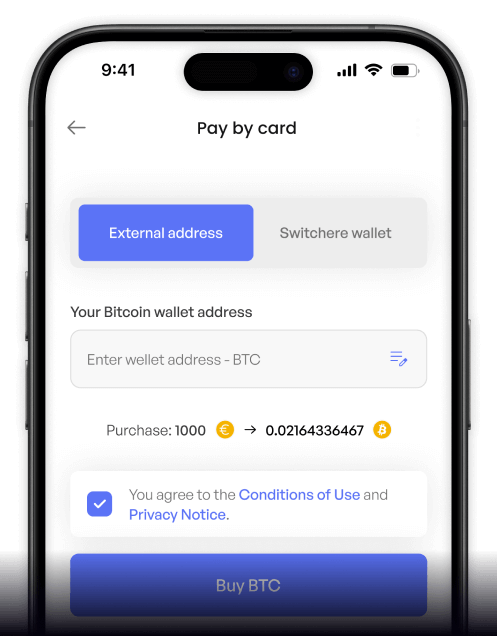
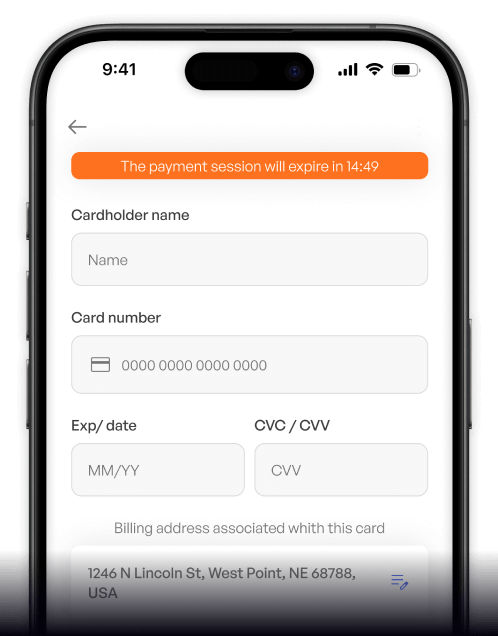
 Step-by-step guidance
 Easy credit card payments
 Streamlined purchase process
 Web
Web
Popular Coins for Ukrainian Hryvnia (UAH)




Other Coins for Ukrainian Hryvnia (UAH)









Frequently asked questions
-
What's the best way to buy Kusama (KSM) with Ukrainian Hryvnia (UAH)?
The most common methods for a UAH to KSM digital asset purchase involve using a cryptocurrency exchange that supports UAH deposits via Ukrainian bank cards, or utilizing a P2P trading platform. These platforms act as a fiat on-ramp, allowing you to convert Hryvnia directly into KSM after completing necessary KYC/AML compliance checks. -
Why is the UAH/KSM pair significant for developers testing on a canary network?
The UAH/KSM pair offers direct entry from Ukrainian Hryvnia into Kusama's experimental ecosystem. As Polkadot's 'canary network,' Kusama allows developers to test new features, participate in parachain auctions, and deploy applications built on the Substrate framework in a live, incentivized environment before launching on Polkadot, making it a hub for fast-paced development. -
How do I use KSM bought with UAH to participate in Kusama crowdloans for parachain auctions?
After acquiring KSM with UAH, you can participate in crowdloans by transferring your KSM to a compatible digital wallet. Through the wallet's interface or a specific crowdloan platform, you lock your KSM to support a project bidding in a parachain auction. This process is a core part of Kusama's on-chain governance, and contributors are typically rewarded with the project's native tokens if the bid is successful. -
What is Kusama's Nominated Proof-of-Stake (NPoS) and how can I participate?
Kusama uses a Nominated Proof-of-Stake (NPoS) consensus mechanism for network security. As a KSM holder, you can act as a 'nominator' by staking your KSM to endorse up to 16 trustworthy validators. This action helps secure the network by signaling your trust in good actors. In return for participating in this crucial blockchain transaction process, you can earn a share of the staking rewards generated by your chosen validators. -
What types of fees should I expect when executing a UAH to KSM transaction?
When converting UAH to KSM, you'll typically encounter three types of fees. First, a fiat on-ramp or deposit fee for using your Ukrainian bank card. Second, a trading fee on the cryptocurrency exchange, which can be a maker or taker fee depending on your order. Third, a KSM withdrawal fee, which covers the blockchain transaction cost when you move your digital asset to a personal, non-custodial wallet.

Buy on the go
Anywhere. Anytime.
Buy crypto with your credit card from anywhere. Live rates, transparent fees, and 3D Secure on every order - the full Switchere card-buy experience in your pocket.



Scan to download the app iOS and Android

