


Convert
Malaysian Ringgit (MYR) to ssv.network (SSV) Instantly


Purchase ssv.network (SSV) with Malaysian Ringgit (MYR) easily at Switchere and benefit from fast, secure transactions.
About
ssv.network (SSV)
ssv.network (SSV) is a fully decentralized, open-source protocol designed to enhance the security and resilience of Ethereum staking. It achieves this through Distributed Validator Technology (DVT), a groundbreaking cryptographic framework that splits an Ethereum validator key into multiple KeyShares. These shares are then distributed across a decentralized network of independent node operators. This innovative approach allows multiple nodes to jointly operate a single validator, significantly reducing slashing risks and maximizing uptime.
The native SSV token functions as the core utility token and governance token powering this vital Web3 infrastructure. Within the ssv.network ecosystem, stakers utilize the digital asset to compensate node operators for managing their KeyShares and executing consensus duties. Additionally, SSV facilitates on-chain governance, enabling token holders to vote on protocol upgrades, fee structures, and treasury allocations.
By eliminating single points of failure, ssv.network provides a robust, non-custodial, and fault-tolerant infrastructure. It acts as a foundational layer for liquid staking protocols, institutional stakers, and solo operators within the Proof-of-Stake (PoS) landscape. As Ethereum continues to scale, ssv.network cements its position as a critical player in securing the decentralized digital ledger and fostering a more resilient consensus mechanism for the broader decentralized finance (DeFi) ecosystem.

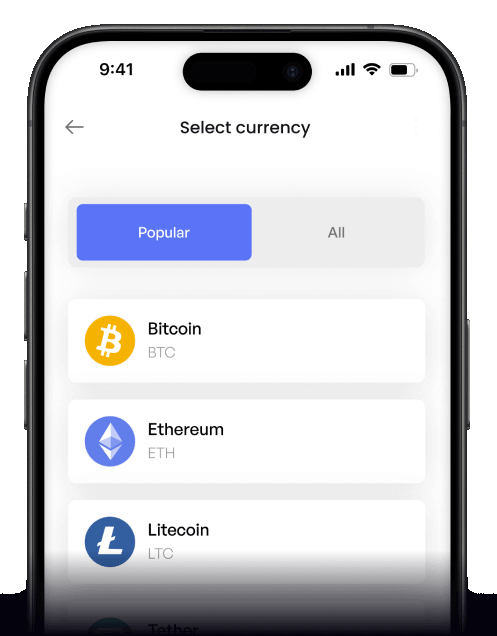
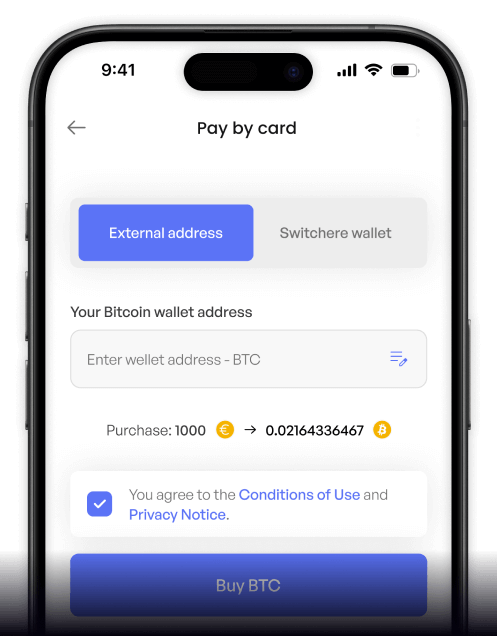
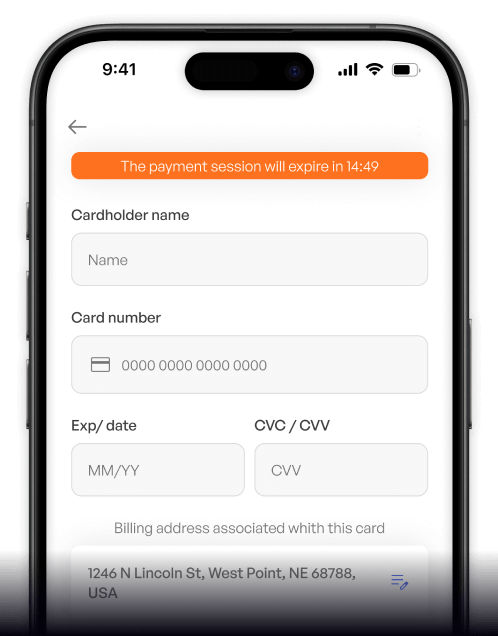
How to Buy ssv.network (SSV)
 Step-by-step guidance
 Easy credit card payments
 Streamlined purchase process
 Web
Web
Popular Coins for Malaysian Ringgit (MYR)




Other Coins for Malaysian Ringgit (MYR)





Frequently asked questions
-
How can I buy ssv.network (SSV) using Malaysian Ringgit (MYR)?
To purchase SSV with MYR, you need to use a cryptocurrency exchange that operates as a fiat on-ramp in Malaysia. Users typically deposit Ringgit via local bank transfers, such as FPX (Financial Process Exchange), into a compliant trading platform. Once your account passes KYC/AML verification, you can trade MYR for a stablecoin like USDT or directly for SSV if a direct trading pair is supported, granting you access to the DVT (Distributed Validator Technology) ecosystem. -
What is the utility of the SSV token when I trade the MYR/SSV pair?
Trading the MYR/SSV pair allows you to acquire the native asset of the ssv.network, which plays a crucial role in Ethereum staking infrastructure. The SSV token is primarily used to pay operator fees within the network. By utilizing Secret Shared Validator technology, node operators receive SSV tokens from stakers for managing and securing non-custodial validator nodes on the Ethereum beacon chain. -
Are there regulated fiat gateways in Malaysia for trading ssv.network?
When exchanging Malaysian Ringgit for digital assets, it is highly recommended to use Digital Asset Exchanges (DAX) recognized by the Securities Commission Malaysia (SC). While direct MYR/SSV order books might be rare on local regulated platforms, investors often use these compliant gateways to buy major cryptocurrencies first, then transfer them to global platforms with deep liquidity and high trading volume for SSV tokens. -
What fees are associated with converting MYR to SSV tokens?
The transaction costs involve several layers. First, there are deposit fees when moving MYR via bank transfer or credit card to your digital wallet. Second, the cryptocurrency exchange charges trading fees (maker/taker fees) for executing the order. Finally, if you withdraw SSV to a self-custodial wallet to participate in DVT staking or manage operator nodes, you will incur Ethereum network gas fees, as SSV is an ERC-20 standard token. -
Why is liquidity important when trading the MYR/SSV pair?
Liquidity dictates how easily you can buy or sell SSV tokens with MYR without causing significant price slippage. Because direct MYR to SSV pairs may lack deep liquidity on regional exchanges, utilizing a highly liquid intermediary asset like a USD-pegged stablecoin can improve execution prices. Robust liquidity ensures that large blockchain transactions interacting with the staking infrastructure ecosystem are processed efficiently.

Buy on the go
Anywhere. Anytime.
Buy crypto with your credit card from anywhere. Live rates, transparent fees, and 3D Secure on every order - the full Switchere card-buy experience in your pocket.



Scan to download the app iOS and Android

