Convert
GBP to ETC Instantly
Pound sterling to Ethereum Classic at the real-time exchange rate


Purchase Ethereum Classic (ETC) with Pound sterling (GBP) easily at Switchere and benefit from fast, secure transactions.
About
Ethereum Classic (ETC)
Navigating the GBP to ETC exchange rate requires an understanding of both traditional UK financial systems and legacy blockchain dynamics. For UK residents looking to buy Ethereum Classic with GBP, utilizing a reliable fiat on-ramp bridges the gap between everyday banking and this original Proof-of-Work smart contract network. The ETC to GBP rate fluctuates continuously, driven by broader crypto market liquidity, ETC’s inherent volatility, and the strength of the British Pound in global forex markets.
When utilizing a GBP to ETC converter, investors typically fund transactions via local methods such as Faster Payments, standard wire transfers, or credit/debit cards, all subject to standard UK KYC/AML regulations. After executing the trade, the acquired assets are routed to a specified Ethereum Classic wallet address over the main ETC network. Because Ethereum Classic operates independently from Ethereum, it is crucial to ensure the receiving wallet supports the native ETC token standard to avoid asset loss. Transaction confirmation times and network fees depend directly on the current block congestion of the ETC blockchain. Ultimately, monitoring the precise exchange rate ensures that participants can efficiently transition their British Pounds into the resilient Ethereum Classic ecosystem.

How to Buy Ethereum Classic (ETC)
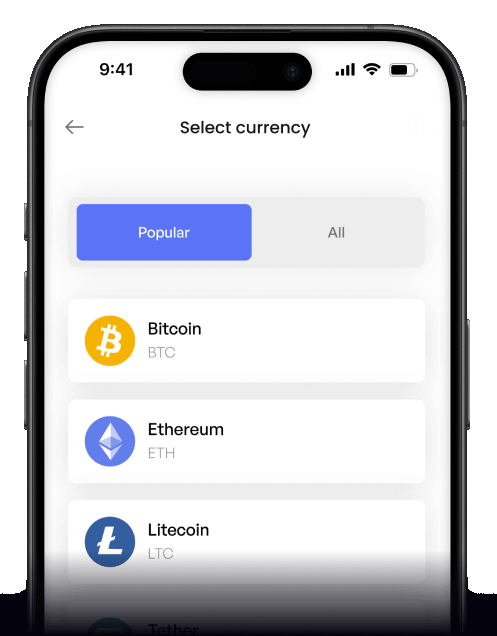
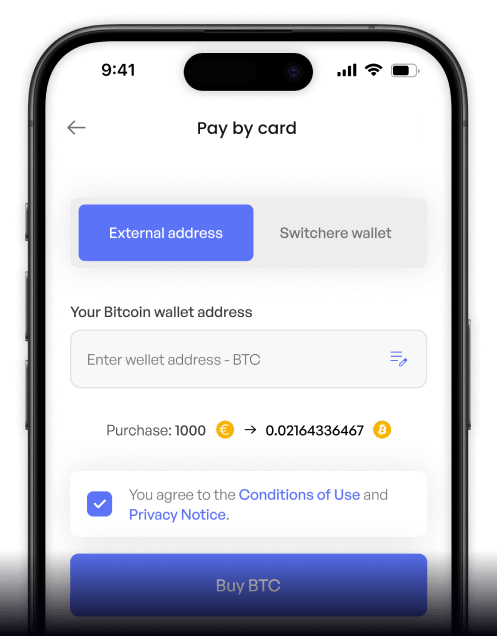
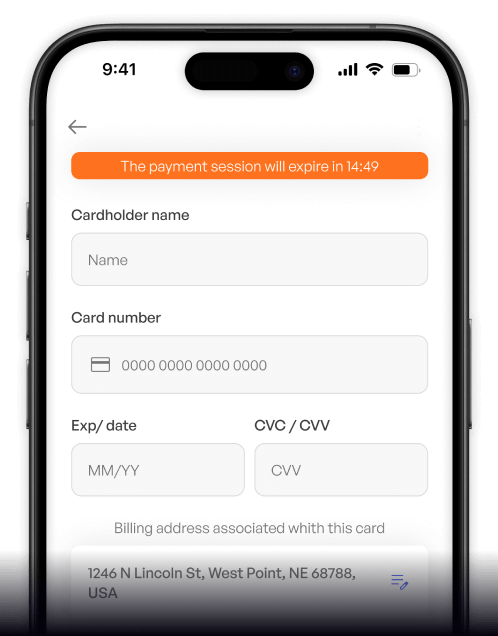
 Step-by-step guidance
 Easy credit card payments
 Streamlined purchase process
 Web
Popular Coins for Pound sterling (GBP)


Other Coins for Pound sterling (GBP)


Frequently asked questions
-
What does the GBP/ETC trading pair represent on a cryptocurrency exchange?
The GBP/ETC pair represents the exchange rate between the Great British Pound (GBP) and Ethereum Classic (ETC). It allows you to use a direct fiat on-ramp to purchase ETC, which operates on the original Ethereum proof-of-work blockchain, using your pounds. This price quotation shows how many GBP are needed to buy one ETC on a specific digital asset exchange, facilitating direct entry into the ETC ecosystem for UK-based users. -
What are the best methods to buy Ethereum Classic (ETC) using UK bank transfers?
The most common and cost-effective methods for buying ETC with GBP involve using UK-regulated cryptocurrency exchanges that support Faster Payments. This allows for near-instantaneous bank transfers. After completing the necessary KYC/AML compliance checks, you can deposit GBP directly into your exchange account and place an order to buy ETC, a digital asset known for its commitment to immutability and smart contract functionality. -
Why is the immutability of the Ethereum Classic chain a key factor for GBP investors?
For investors using GBP, the core value proposition of Ethereum Classic is its unwavering commitment to immutability—the principle that blockchain transactions cannot be altered. Unlike its counterpart, the ETC chain upheld the original transaction history after the 2016 DAO hack. This makes it attractive for those who prioritize a fixed monetary policy and a truly censorship-resistant platform for decentralized applications (dApps). -
Are there differences in fees between buying ETC with a GBP debit card versus a bank transfer?
Yes, there are significant differences. Purchasing Ethereum Classic via a GBP bank transfer, typically using the Faster Payments service, usually has lower deposit fees on most cryptocurrency exchanges. In contrast, buying ETC with a debit card is often faster and more convenient but almost always incurs higher processing fees. Both methods will allow you to acquire the proof-of-work asset, but the cost of the fiat on-ramp will vary. -
Once I've purchased ETC with GBP, how are network transaction fees calculated on the Ethereum Classic blockchain?
After your GBP to ETC purchase, any subsequent transfers of your ETC from one digital wallet to another will incur a network fee. On the Ethereum Classic proof-of-work chain, this fee is calculated based on gas units consumed by the transaction multiplied by the gas price you set. It compensates miners for validating the transaction and securing the network, a fundamental aspect of its decentralized infrastructure.

Buy on the go
Anywhere. Anytime.
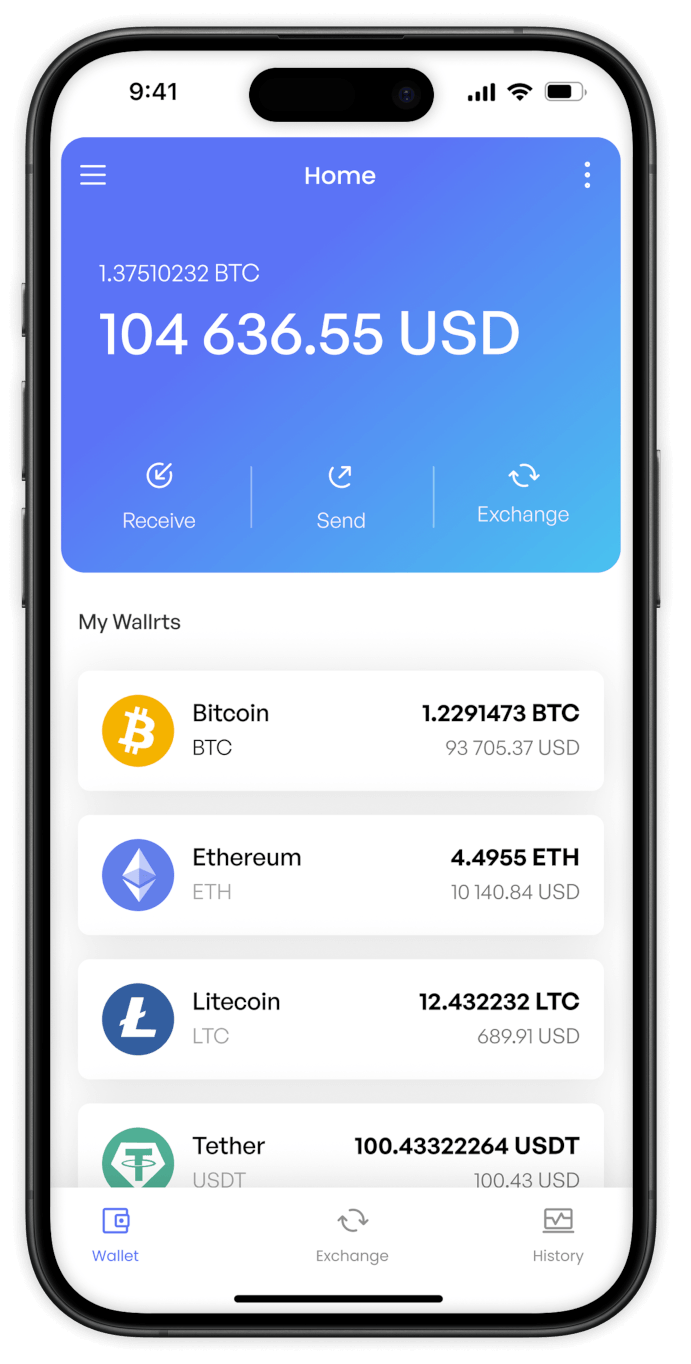
Buy crypto with your credit card from anywhere. Live rates, transparent fees, and 3D Secure on every order - the full Switchere card-buy experience in your pocket.



Scan to download the app iOS and Android