Convert
GBP to BCH Instantly
Pound sterling to Bitcoin Cash at the real-time exchange rate
Purchase Bitcoin Cash (BCH) with Pound sterling (GBP) easily at Switchere and benefit from fast, secure transactions.
About
Bitcoin Cash (BCH)
Navigating the fiat on-ramp to exchange British Pounds for a prominent peer-to-peer electronic cash system requires a reliable GBP to BCH converter. The BCH to GBP rate is constantly fluctuating, driven by the inherent market volatility of digital assets, the macroeconomic factors influencing the pound sterling, and the overall liquidity of trading pairs on global exchanges. UK residents looking to buy BCH with GBP typically monitor this exchange rate to optimize their entry into the crypto ecosystem.
When executing a conversion, users based in the United Kingdom have access to localized payment infrastructure like Faster Payments, which allows for near-instant fiat transfers to crypto platforms, alongside standard credit or debit card options. Complying with standard KYC/AML protocols is essential before initiating these transactions. Once the fiat clears, receiving your Bitcoin Cash requires a compatible BCH wallet address. Unlike its predecessor, Bitcoin Cash is engineered with larger block sizes, ensuring that network fees remain exceptionally low and confirmation times are swift. Whether you are a UK merchant integrating crypto payments or an individual utilizing BCH for daily transactions, understanding these conversion mechanics ensures a seamless transition between traditional sterling and decentralized currency.
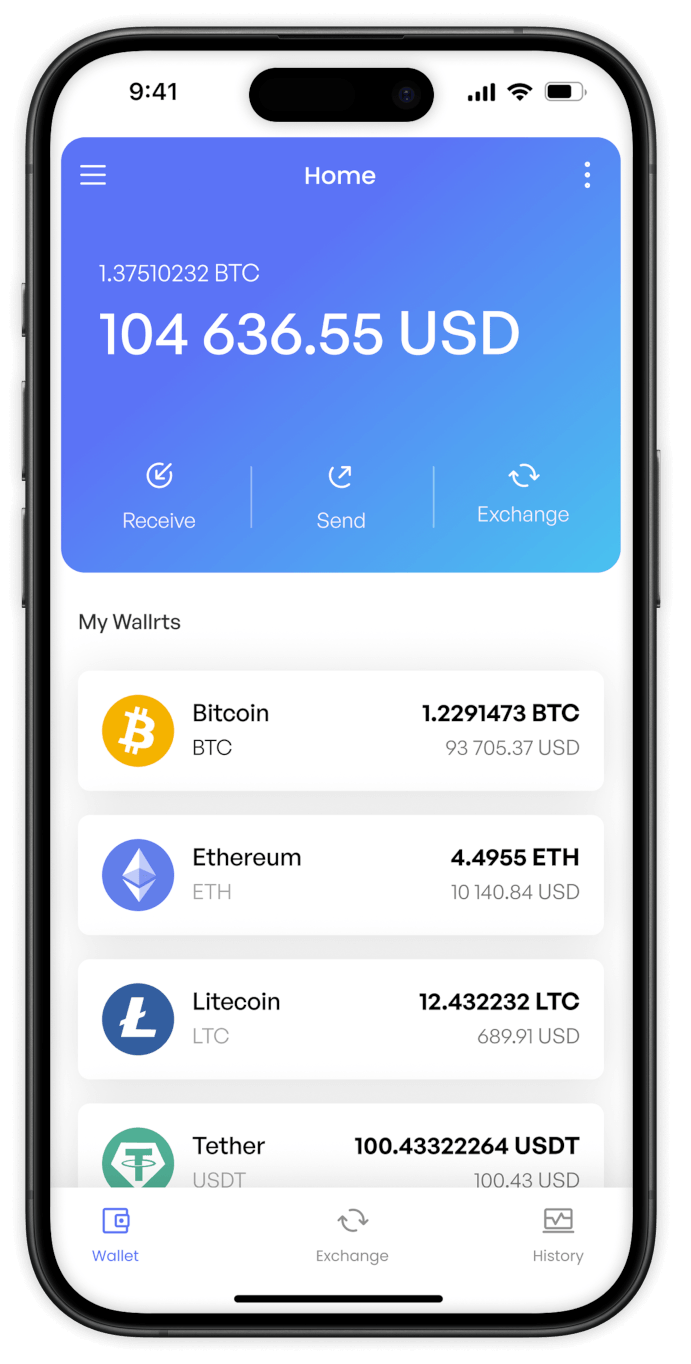
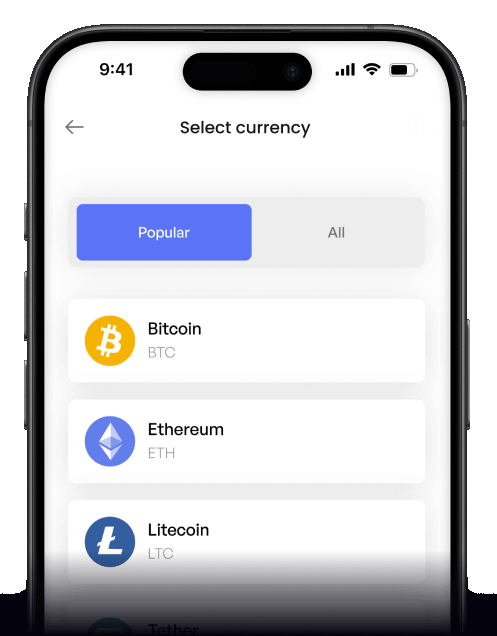
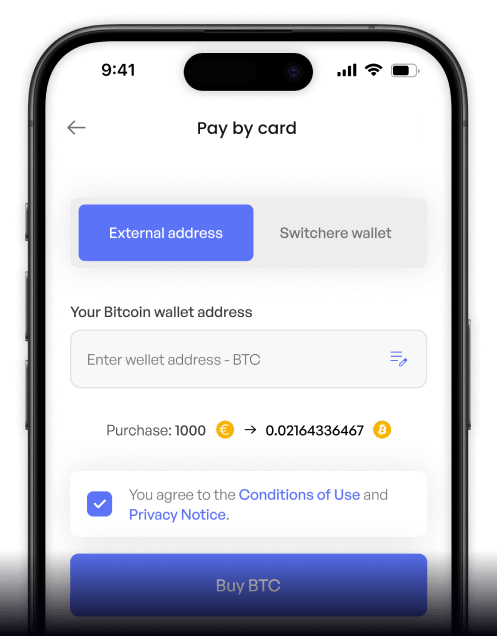
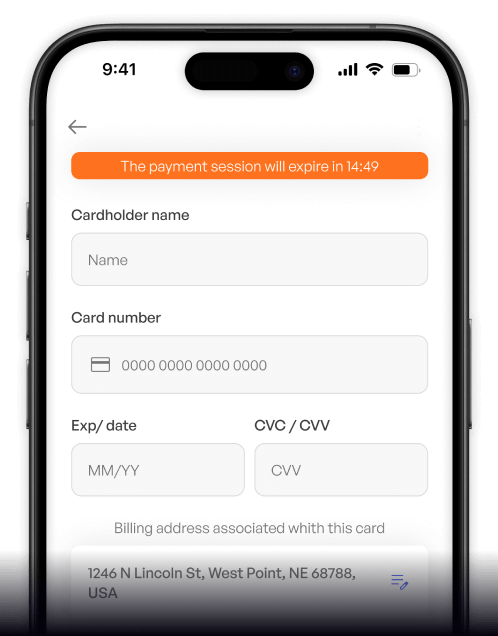
How to Buy Bitcoin Cash (BCH)
Popular Coins for Pound sterling (GBP)
Other Coins for Pound sterling (GBP)
Frequently asked questions
-
What are the most common methods to buy Bitcoin Cash (BCH) with Great British Pounds (GBP)?
To purchase Bitcoin Cash (BCH) with GBP, the most popular fiat on-ramp methods include using a regulated cryptocurrency exchange that supports Pounds Sterling deposits. Typically, you can fund your account via UK Faster Payments Service (FPS) for near-instant transfers, standard bank transfers (BACS/CHAPS), or by using a debit card. Once your GBP is on the exchange, you can place an order on the GBP/BCH trading pair to acquire your digital asset. -
When buying with GBP, what makes Bitcoin Cash different from Bitcoin (BTC)?
The primary distinction lies in their intended use case. Bitcoin Cash was created as a Bitcoin fork to function as a 'peer-to-peer electronic cash' system, prioritizing low transaction fees and fast confirmations through a larger block size. When you convert GBP to BCH, you're acquiring a digital asset designed for frequent, affordable blockchain transactions, whereas BTC is more commonly viewed as a store of value with higher on-chain fees. -
What KYC compliance should I expect for GBP to BCH transactions in the UK?
Any reputable cryptocurrency exchange operating in the UK and dealing with fiat like GBP is required to adhere to strict Know Your Customer (KYC) and Anti-Money Laundering (AML) regulations, often overseen by the Financial Conduct Authority (FCA). This means you will need to verify your identity, typically by providing a government-issued ID and proof of address, before you can deposit Pounds Sterling and execute a trade for Bitcoin Cash. -
What types of fees are involved when converting Pounds Sterling to Bitcoin Cash?
When converting GBP to BCH, you'll typically encounter several fees. First, the exchange will charge a trading fee (maker or taker fee) on the order book. Second, there might be deposit fees for adding GBP via card or withdrawal fees for sending GBP back to your bank. Finally, when you move your BCH off the exchange to a private digital wallet, you will pay a small, intrinsic Bitcoin Cash network fee, which is known for being significantly lower than Bitcoin's. -
How can I securely store my Bitcoin Cash (BCH) after a purchase with GBP?
For secure storage after buying BCH with GBP, it is highly recommended to transfer your digital asset from the exchange to a personal digital wallet where you control the private keys. Options include hardware wallets (the most secure), which keep your keys offline, or reputable non-custodial software wallets. This practice of self-custody is a core principle for securing your assets on the blockchain and protecting them from exchange-related risks.