


- Anasayfa
- Dönüştürücü
- Chilean peso (CLP) için USDC (ARB)

Dönüştürmek
Chilean peso (CLP)'dan USDC (ARB)'ye aniden


Switchere'de USDC (ARB) ile kolayca Chilean peso (CLP) satın alın ve hızlı, güvenli işlemlerden yararlanın.
Hakkında
USDC (ARB)
Arbitrum üzerindeki USD Coin (USDC), bu önde gelen Katman 2 ölçeklendirme çözümüne özel olarak köprülenmiş, fiat teminatlı bir stabilcoin olarak işlev gören kritik bir Web3 altyapı parçasıdır. Circle tarafından ihraç edilen ve Centre konsorsiyumu tarafından yönetilen her bir USDC tokeni, tamamen rezerve edilmiş varlıklarla desteklenerek ABD Doları'na 1:1 oranında bir çıpa sürdürmek üzere tasarlanmıştır. Arbitrum One ağındaki varlığı, Ethereum ana ağının yüksek gaz ücretleri ve yavaş işlem hızları gibi ölçeklenebilirlik zorluklarını doğrudan ele alır. Arbitrum'un optimistic rollup teknolojisinden yararlanarak, USDC işlemleri önemli ölçüde daha hızlı ve daha uygun maliyetli hale gelir, bu da günlük ticaret ve DeFi uygulamaları için bir dijital varlık olarak faydasını artırır.
Gelişmekte olan Arbitrum ekosistemi içinde USDC, temel bir dijital varlık ve birincil bir değişim aracı olarak hizmet vermektedir. Borç alma ve verme protokollerinde teminat olarak yaygın bir şekilde kullanılır, merkezi olmayan borsalarda (DEX'ler) likidite sağlar ve getiri çiftçiliği (yield farming) ve diğer DeFi stratejileri için istikrarlı bir hesap birimi olarak işlev görür. Bu istikrarlı değeri yüksek verimli bir blok zinciri üzerinde verimli bir şekilde hareket ettirme yeteneği, ağdaki dApp'lerle etkileşime giren kullanıcılar için onu vazgeçilmez kılar. USDC'nin bu sürümü, diğer kriptografik varlıkların oynaklığından ve Ethereum temel katmanının yüksek işlem maliyetlerinden kaçınırken Arbitrum'un DeFi manzarasına katılmak isteyen herkes için esastır.

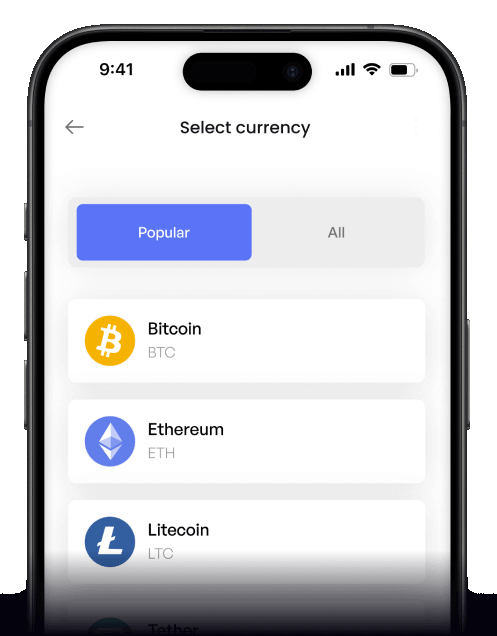
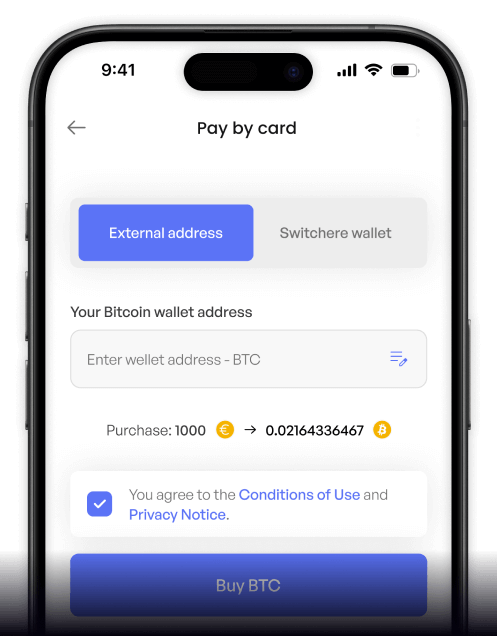
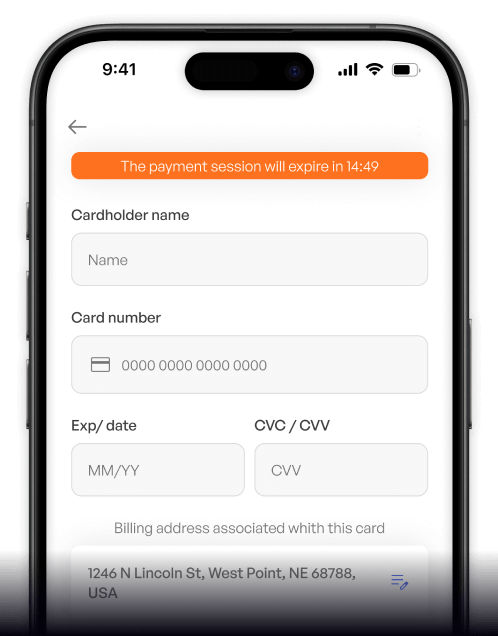
USDC (ARB) Nasıl Satın Alınır
 Adım adım rehberlik
 Kolay kredi kartı ödemeleri
 Kolaylaştırılmış satın alma süreci
 Web
Web
Chilean peso (CLP) için Popüler Paralar





Chilean peso (CLP) için Diğer Madeni Paralar





Sıkça sorulan sorular
-
Şili Pezosu (CLP) kullanarak Arbitrum ağında USDC satın almanın birincil yöntemi nedir?
Birincil yöntem, hem CLP yatırma işlemlerini hem de Arbitrum ağındaki para çekme işlemlerini destekleyen düzenlenmiş bir kripto para borsası veya bir fiat on-ramp hizmeti kullanmayı içerir. Kullanıcılar genellikle Transferencia Bancaria veya WebPay gibi yerel ödeme yöntemleriyle CLP yatırır, KYC/AML doğrulamasını tamamlar ve ardından USDC için bir işlem gerçekleştirirler. Bu sırada dijital varlığı EVM uyumlu cüzdanlarında almak için hedef blok zinciri olarak Arbitrum'u seçtiklerinden emin olmalıdırlar. -
USDC işlemleri için Ethereum Katman 1 yerine Arbitrum ağını kullanmanın avantajları nelerdir?
Arbitrum, iyimser rollup'ları kullanan bir Ethereum Katman 2 ölçeklendirme çözümüdür. USDC işlemleri için başlıca avantajları, genellikle sıkışık olan Ethereum ana ağına kıyasla önemli ölçüde daha düşük gas ücretleri ve çok daha hızlı işlem onay süreleridir. Bu, gelişen Arbitrum ekosistemindeki merkeziyetsiz borsalarda (DEX'ler) sık sık ödeme yapmak, işlem yapmak ve çeşitli DeFi protokolleriyle etkileşimde bulunmak için daha uygun maliyetli hale getirir ve tüm bunları yaparken Ethereum'un güvenliğini miras alır. -
CLP'yi Arbitrum'da USDC'ye dönüştürmek için özel KYC uyumluluk adımları var mı?
Evet, Şili Pezosu (CLP) işleyen herhangi bir fiat on-ramp veya borsa, uluslararası ve yerel KYC (Müşterini Tanı) ve AML (Kara Para Aklamayı Önleme) düzenlemelerine uymak zorundadır. Bu genellikle hükümet tarafından verilmiş bir kimlik (Cédula de Identidad gibi), adres kanıtı ve bazen de fon kaynağı beyanı sunmayı içerir. Bu adımlar, platformun fiat para birimini USDC gibi bir dijital varlığa, hedef blok zincirinden bağımsız olarak yasal olarak dönüştürmesini sağlamak için zorunludur. -
Arbitrum ağında resmi USDC tokenını aldığımı nasıl doğrulayabilirim?
Gerçek, Circle tarafından çıkarılan USDC stablecoin ile etkileşimde bulunduğunuzdan emin olmak için, Arbitrum ağındaki akıllı sözleşme adresini doğrulamanız gerekir. Bu resmi sözleşme adresi Circle'ın resmi web sitesinde veya Arbiscan gibi güvenilir blok gezginlerinde bulunabilir. Token'ı dijital cüzdanınıza eklerken veya bir DeFi protokolü ile etkileşimde bulunurken, dolandırıcılık veya sahte token'lardan kaçınmak için her zaman sözleşme adresini çapraz kontrol edin. Meşru borsalar her zaman resmi, yerel olarak çıkarılmış USDC'yi kullanacaktır. -
CLP ile Arbitrum USDC satın alırken ne tür ücretler söz konusudur?
Birkaç potansiyel ücret bulunmaktadır. İlk olarak, borsa veya on-ramp hizmeti, CLP/USDC dönüşüm oranında bir işlem ücreti veya bir spread talep edecektir. İkinci olarak, kullanılan ödeme yöntemine bağlı olarak (örneğin, WebPay'e karşı banka havalesi) hesabınıza CLP yatırmak için bir para yatırma ücreti olabilir. Son olarak, USDC'nizi kendi saklama cüzdanınıza çektiğinizde, Arbitrum ağında bir ağ işlem ücreti (gas) ödersiniz, bu genellikle çok düşüktür ancak toplam dijital varlık satın alma maliyetinizde dikkate alınması gereken bir faktördür.

Yolda satın alın
Her yerde. Her zaman.
Kredi kartınızla her yerden kripto para satın alın. Canlı kurlar, şeffaf ücretler ve her siparişte 3D Secure – Switchere'nin eksiksiz kartla satın alma deneyimi artık cebinizde.



Uygulamayı indirmek için tarayın (iOS ve Android)

