


Convert
Chilean peso (CLP) to Livepeer (LPT) Instantly


Purchase Livepeer (LPT) with Chilean peso (CLP) easily at Switchere and benefit from fast, secure transactions.
About
Livepeer (LPT)
Livepeer (LPT) is a decentralized video streaming network built on the Ethereum blockchain, designed to provide a scalable, cost-effective, and censorship-resistant infrastructure for video transcoding and distribution. It aims to revolutionize how video content is processed and delivered by offering an open alternative to traditional, centralized video processing services. The core of Livepeer's technology relies on a distributed network of node operators, known as Orchestrators, who contribute their computing resources to perform video transcoding tasks. This peer-to-peer system leverages blockchain technology to coordinate and incentivize participants, ensuring reliable and efficient video processing for developers and broadcasters building media dApps.
The LPT token is the native digital asset of the Livepeer network, functioning as a crucial utility token and work token. Token holders can stake LPT to become Orchestrators or delegate their LPT to existing Orchestrators, thereby participating in network security and earning a share of the fees and inflationary rewards. This staking mechanism ensures that Orchestrators perform their transcoding duties honestly and efficiently. Broadcasters utilize the network for video encoding and streaming, paying fees that contribute to the ecosystem's economy. As a foundational element of Web3 video infrastructure, Livepeer enhances the capabilities of decentralized applications requiring robust video functionalities, positioning itself as a key player in the future of on-chain media delivery and content streaming with strong cryptographic security.

How to Buy Livepeer (LPT)
 Step-by-step guidance
 Easy credit card payments
 Streamlined purchase process
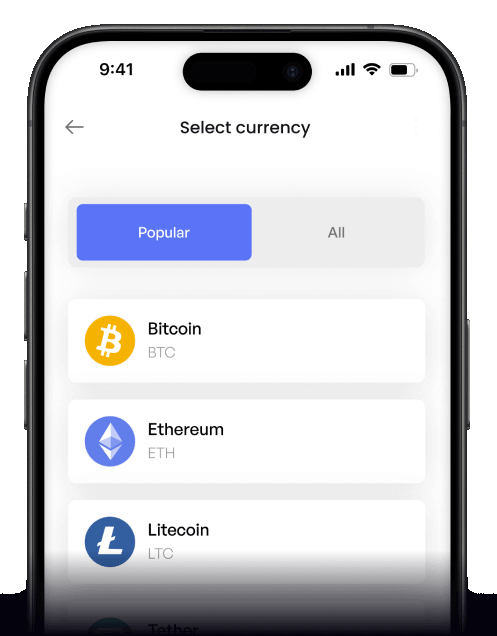
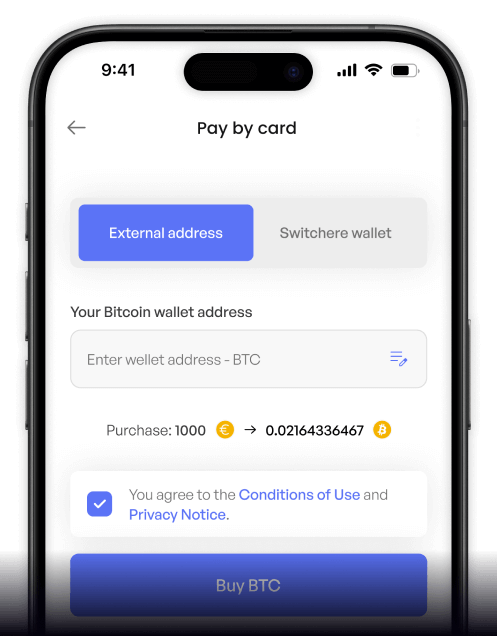
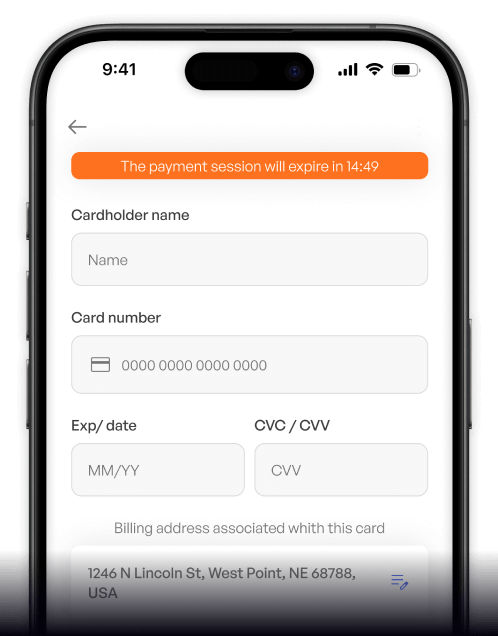
 Web
Web
Popular Coins for Chilean peso (CLP)





Other Coins for Chilean peso (CLP)





Frequently asked questions
-
What is the CLP/LPT pair and what does it represent in the Web3 ecosystem?
The CLP/LPT pair represents the exchange rate between the Chilean Peso (CLP) and Livepeer's native token (LPT). It functions as a crucial fiat on-ramp for users in Chile to acquire LPT, a digital asset essential for participating in the Livepeer protocol. This protocol powers a decentralized video streaming network, where LPT is used for staking, delegating to orchestrator nodes, and securing the video transcoding process on the blockchain. -
What are the common payment methods for buying LPT with Chilean Pesos (CLP)?
To buy LPT with CLP, users typically utilize local cryptocurrency exchanges that offer direct fiat gateways. Common payment methods include bank transfers from major Chilean banks like BancoEstado, online payment platforms such as WebPay (Transbank), and sometimes direct debit card purchases. These platforms require KYC/AML compliance, where you must verify your identity before conducting a blockchain transaction. -
Besides trading, what is the utility of the LPT token within the Livepeer network?
The LPT token is integral to the Livepeer network's operation and security. Its primary utility is for staking, where token holders can act as or delegate their LPT to 'Orchestrator' nodes. These nodes perform the vital work of video transcoding. By staking LPT, you help secure the network and earn a share of the fees and new LPT issued by the protocol. This mechanism aligns incentives and ensures the decentralized media layer functions correctly. -
Are there specific blockchain network fees to consider when moving LPT tokens?
Yes. Livepeer (LPT) is primarily an ERC-20 token on the Ethereum blockchain. Therefore, any on-chain transaction, such as moving LPT from an exchange to a private digital wallet or staking it, requires an Ethereum network fee, known as 'gas'. This gas fee is paid in ETH, not LPT, and can fluctuate based on network congestion. It's a separate cost from any trading fees charged by the exchange. -
How can I securely store my LPT tokens after purchasing them with CLP?
For optimal security, it is highly recommended to move your LPT from the cryptocurrency exchange to a personal digital wallet where you control the private keys. Options include hardware wallets (like Ledger or Trezor) for the highest level of security, or reputable non-custodial software wallets (like MetaMask). Always back up your seed phrase offline and never share it with anyone. This practice protects your digital assets from exchange-related risks.

Buy on the go
Anywhere. Anytime.
Buy crypto with your credit card from anywhere. Live rates, transparent fees, and 3D Secure on every order - the full Switchere card-buy experience in your pocket.



Scan to download the app iOS and Android

