


- Strona główna
- Konwerter
- Chilean peso (CLP) do EOS (EOS)

Konwertuj
Chilean peso (CLP) na EOS (EOS) natychmiast


Kupuj EOS (EOS) z Chilean peso (CLP) łatwo w Switchere i korzystaj z szybkich, bezpiecznych transakcji.
O
EOS (EOS)
EOS (EOS) to platforma blockchain trzeciej generacji zaprojektowana przy użyciu oprogramowania EOSIO open-source, zaprojektowana w celu wspierania rozwoju, hostingu i wykonywania zdecentralizowanych aplikacji (dApps) na dużą skalę. Ma ona na celu rozwiązanie wyzwań związanych ze skalowalnością i użytecznością dominujących we wcześniejszych technologiach blockchain, oferując wysoką przepustowość transakcji i elastyczny model zarządzania. Rdzeń jego architektury obraca się wokół mechanizmu konsensusu Delegated Proof-of-Stake (DPoS), w którym posiadacze tokenów głosują na producentów bloków (BP) odpowiedzialnych za walidację transakcji i utrzymanie zdecentralizowanej sieci. System ten został zaprojektowany, aby umożliwić szybsze czasy bloków i znacznie wyższe transakcje na sekundę w porównaniu do wielu sieci proof-of-work.
Kluczową cechą wyróżniającą EOS jest model oparty na zasobach, w którym posiadanie i stakowanie tokenów EOS zapewnia użytkownikom i programistom proporcjonalny dostęp do zasobów sieciowych, takich jak CPU (obliczenia) i NET (przepustowość), zamiast wymagać opłat za gaz za transakcję. Pamięć RAM, kolejny krytyczny zasób do przechowywania danych w łańcuchu, jest przedmiotem obrotu na otwartym rynku. EOS obsługuje inteligentne kontrakty napisane w języku C++ i skompilowane do WebAssembly (WASM), zapewniając solidne środowisko dla złożonego rozwoju dApp. Zasób cyfrowy EOS pełni wiele funkcji: jest tokenem użytkowym umożliwiającym dostęp do zasobów sieciowych, ułatwia zarządzanie łańcuchem poprzez głosowanie na BP i poprawki protokołu oraz działa jako środek wymiany w swoim ekosystemie.
EOS pozycjonuje się jako fundamentalna infrastruktura Web3, starając się zapewnić przyjazną dla programistów platformę klasy korporacyjnej. W obliczu konkurencyjnego krajobrazu, nacisk kładziony na skalowalność, wrażenia użytkownika poprzez staking zasobów i ugruntowane możliwości inteligentnych kontraktów pozwalają na obsługę różnorodnych aplikacji DeFi, platform do gier i innych rozwiązań on-chain. Ciągły rozwój oprogramowania EOSIO i inicjatywy prowadzone przez społeczność nadal kształtują jego rolę w szerszej przestrzeni cyfrowej księgi, koncentrując się na zwiększaniu wydajności i interoperacyjności.

Jak kupić EOS (EOS)
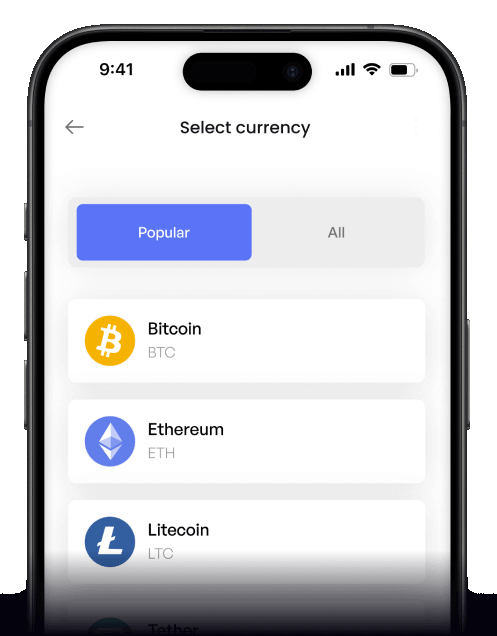
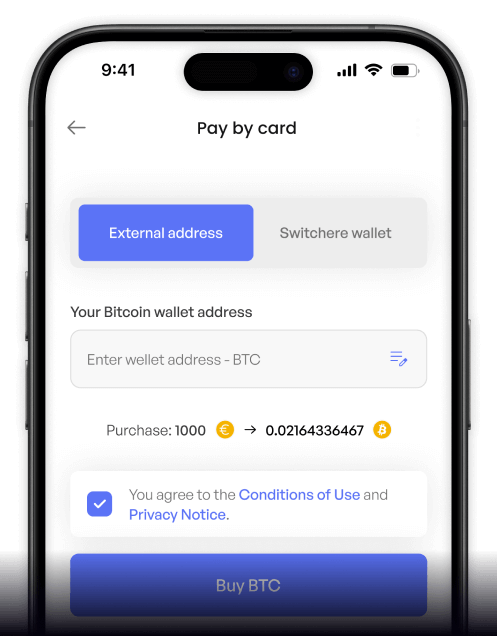
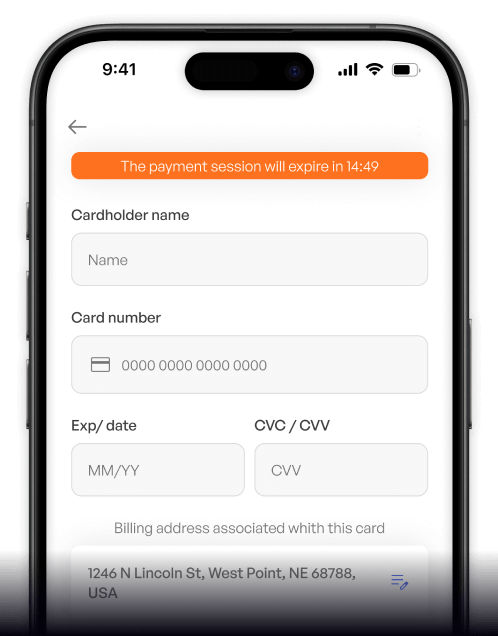
 Wskazówki krok po kroku
 Łatwe płatności kartą kredytową
 Usprawniony proces zakupu
 Web
Web
Popularne monety za Chilean peso (CLP)





Inne monety za Chilean peso (CLP)










Często zadawane pytania
-
Jakie są popularne metody zakupu EOS za peso chilijskie (CLP)?
Aby kupić EOS za CLP, zazwyczaj korzysta się z giełdy kryptowalut, która służy jako rampa wjazdowa dla walut fiducjarnych w Chile. Najczęstszy proces polega na dokonaniu depozytu w CLP na giełdę za pomocą lokalnej metody płatności, takiej jak elektroniczny przelew bankowy (Transferencia Electrónica). Po zaksięgowaniu salda w CLP można złożyć zlecenie kupna EOS w arkuszu zleceń CLP/EOS platformy, nabywając w ten sposób aktywo cyfrowe. -
Jakie znaczenie ma mechanizm Delegated Proof-of-Stake (DPoS) w EOS podczas handlu parą CLP/EOS?
Mechanizm konsensusu Delegated Proof-of-Stake (DPoS) w EOS jest kluczową cechą techniczną. W przeciwieństwie do Proof-of-Work, DPoS pozwala na wysoką przepustowość transakcji i skalowalność dzięki wykorzystaniu ograniczonej liczby wybranych producentów bloków. Dla użytkownika, który właśnie nabył EOS za CLP, oznacza to, że kolejne transakcje na blockchainie, takie jak interakcja z dApps na oprogramowaniu EOSIO, mogą być niezwykle szybkie i często odczuwane jako „bezpłatne”, ponieważ koszty są pokrywane przez model zasobów (CPU, NET, RAM) zamiast opłat za gaz za transakcję. -
Czy zgodność z KYC/AML jest wymagana przy korzystaniu z chilijskiej bramki fiat dla EOS?
Tak, praktycznie wszystkie renomowane giełdy kryptowalut oferujące bezpośrednią parę handlową CLP do EOS będą wymagały zgodności z KYC/AML (Poznaj swojego klienta/Przeciwdziałanie praniu pieniędzy). Jest to standardowa procedura bezpieczeństwa dla każdej rampy wjazdowej dla walut fiducjarnych w celu zapobiegania nielegalnym działaniom. Będziesz musiał zweryfikować swoją tożsamość, dostarczając oficjalne dokumenty, zanim będziesz mógł wpłacić peso chilijskie i rozpocząć bezpieczny handel. -
Jak model zasobów EOS (CPU, NET, RAM) wpływa na moje aktywa po zakupie za CLP?
Po nabyciu EOS za CLP nie posiadasz tylko tokena; posiadasz klucz do zasobów sieciowych. Model zasobów EOS wymaga stakowania tokenów EOS w celu uzyskania dostępu do CPU (moc obliczeniowa) i NET (przepustowość sieci) dla transakcji. RAM (przechowywanie danych) należy zakupić. Jest to fundamentalna różnica w stosunku do modeli opartych na gazie. Dla aktywnych użytkowników zarządzanie tymi zasobami jest kluczowe do interakcji z inteligentnymi kontraktami i dApps zbudowanymi na platformie EOSIO kompatybilnej z WebAssembly (WASM). -
Na co zwrócić uwagę w portfelu cyfrowym po dokonaniu transakcji z CLP na EOS?
Po zakupie aktywa cyfrowego wybierz portfel, który specjalnie obsługuje blockchain EOS. Kluczowe cechy to kontrola nad kluczami prywatnymi, zgodność z unikalnym systemem nazw kont EOS (12-znakowa nazwa) oraz, idealnie, interfejs do zarządzania stakingiem zasobów CPU/NET. W celu uzyskania maksymalnego bezpieczeństwa rozważ portfel sprzętowy. Zawsze przelewaj niewielką kwotę testową z giełdy na nowy adres portfela przed przeniesieniem całego salda.

Kupuj w dowolnym miejscu
Gdziekolwiek. Kiedykolwiek.
Kupuj kryptowaluty kartą kredytową z dowolnego miejsca. Aktualne kursy, przejrzyste opłaty i protokół 3D Secure przy każdym zamówieniu – pełna funkcjonalność serwisu Switchere do zakupu kryptowalut za pomocą karty w zasięgu ręki.



Zeskanuj, aby pobrać aplikację na iOS i Androida

