


 Web
Web












Toncoin Preisvorhersage: TON Preisprognose
 Darina Perepelitza
|
Darina Perepelitza
|
Juli 17, 2026

Kaufen Sie Toncoin (TON) mit Chilean peso (CLP) einfach bei Switchere und profitieren Sie von schnellen und sicheren Transaktionen.
Toncoin (TON) ist die native Kryptowährung von The Open Network, einer leistungsstarken, dezentralen Layer-1-Blockchain, die ursprünglich vom Telegram-Team entwickelt wurde. Ihr Hauptzweck ist die Bereitstellung einer skalierbaren und benutzerfreundlichen Web3-Infrastruktur für Millionen von Nutzern, die eine tiefe Integration mit der Messaging-Plattform Telegram nutzt. Die Kernarchitektur des Netzwerks basiert auf einem fortschrittlichen Proof-of-Stake (PoS)-Konsensmechanismus und einem einzigartigen technischen Merkmal, das als „Infinite Sharding Paradigm“ bekannt ist. Dies ermöglicht es der Blockchain, sich in kleinere, miteinander verbundene Workchains aufzuteilen, um Transaktionen parallel zu verarbeiten, wodurch ein bemerkenswert hoher Durchsatz und eine geringe Latenz erreicht werden. Diese Struktur mit einer Masterchain und zahlreichen Workchains stellt sicher, dass die Plattform massive Lasten bewältigen kann, ohne Dezentralisierung oder Sicherheit zu opfern.
Das digitale TON-Asset ist für die Funktionalität des Ökosystems unerlässlich. Es dient als Utility-Token zur Bezahlung von Transaktionsgebühren (Gas), zur Sicherung des Netzwerks durch Staking von Validatoren und zur Teilnahme an der On-Chain-Governance. Das Ökosystem geht über einfache Transaktionen hinaus und umfasst Dienste wie TON DNS für von Menschen lesbare Wallet-Adressen, TON Storage für dezentrale Datenspeicherung und den TON Proxy für die Netzwerk-Privatsphäre. Sein herausragender Anwendungsfall ist die Bereitstellung von Mini-Apps (tApps) direkt in Telegram, mit dem Ziel, eine nahtlose Brücke zwischen Web2- und Web3-Anwendungen zu schaffen und die Blockchain-Technologie einem globalen Publikum zugänglich zu machen.

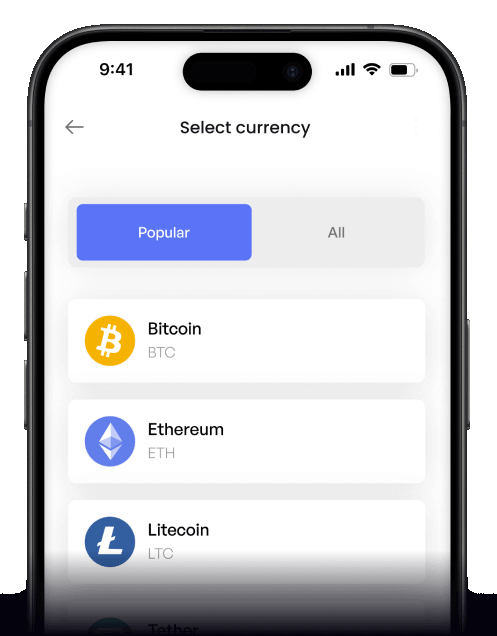
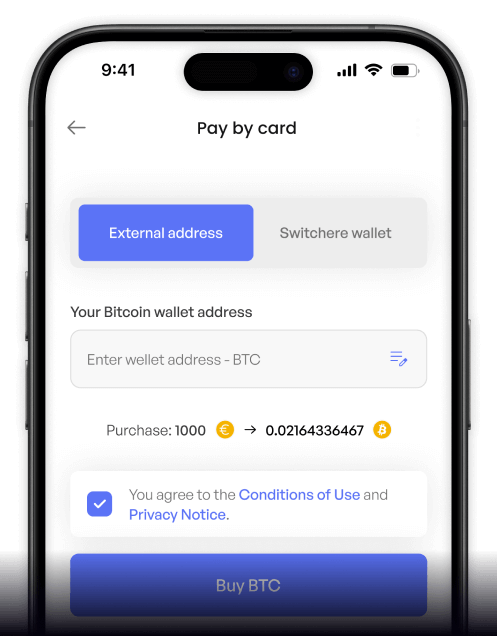
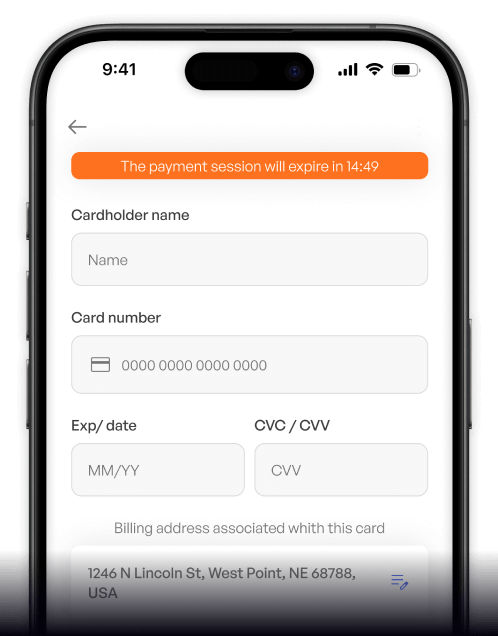
 Schritt-für-Schritt-Anleitung
 Einfache Zahlungen mit Kreditkarte
 Rationalisierter Kaufprozess
Darina Perepelitza
|
Darina Perepelitza
|
Darina Perepelitza
|
Rationalisierter Kaufprozess
Darina Perepelitza
|
Darina Perepelitza
|
Darina Perepelitza
|
Kaufen Sie Kryptowährungen mit Ihrer Kreditkarte von überall aus. Aktuelle Kurse, transparente Gebühren und 3D Secure bei jeder Bestellung – das komplette Switchere-Erlebnis beim Kauf mit Kreditkarte immer griffbereit.



Scannen Sie den QR-Code, um die App für iOS und Android herunterzuladen

Unsere Website verwendet Cookies. Unsere Cookie-Richtlinie
