


Tokenize Edilmiş Hisse Senetleri: Hisse Senedi Piyasasının Geleceği mi?
Blockchain'in geleneksel borsalarla birleşerek yeni dijital varlıkları nasıl oluşturduğuna dair eksiksiz bir rehber.
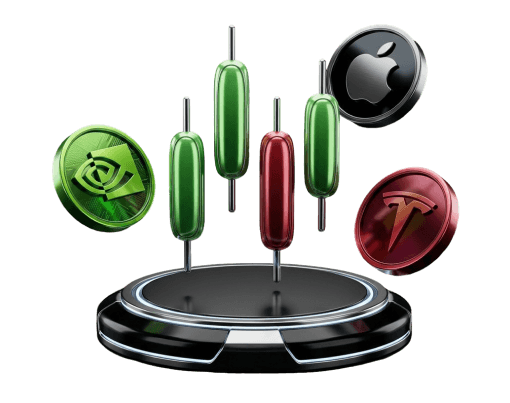
Tokenize Edilmiş Hisse Senetleri Nedir?
En basit tanımıyla tokenize edilmiş bir hisse senedi, halka açık bir şirketteki bir hissenin mülkiyetini temsil eden dijital bir tokendir. Bu tokenler, geleneksel hisse senetlerinin aksine bir aracı kurumun hesap defterinde değil, bir blockchain üzerinde yaşar. Değerleri, doğrudan temsil ettikleri dayanak varlığın fiyatına bağlıdır. Bu sistem, bir yatırımcının dayanak hisse senedinin gerçek zamanlı değerine maruz kalmasını sağlar, ancak bunu dijital bir formatta yapar. Özünde, bunlar varlığa dayalı tokenlerdir; yani gerçek dünyadaki bir varlıkla 1:1 oranında desteklenirler. Bu tokenize edilmiş öz sermaye modeli, hisse senedi sahipliği kavramını modern dijital altyapıya taşıyarak mülkiyetin daha verimli ve şeffaf bir şekilde transfer edilmesine olanak tanır. Bu teknoloji, fiziksel varlıkların dijital temsillerini oluşturmak için blockchain teknolojisi kullanır ve geleneksel finans ile dijital varlıklar arasında bir köprü kurar.
Switchere ile hızlı, kolay ve güvenli bir şekilde kripto satın alın!

Uygulamayı indirmek için tarayın
Tokenizasyon Süreci Nasıl İşler?
Tokenizasyon, fiziksel bir hisse senedinin dijital bir tokene dönüştürülmesini içeren çok adımlı bir süreçtir. İlk olarak, lisanslı bir finans kurumu veya saklama kuruluşu, gerçek dünya hisse senedini satın alır ve güvenli bir şekilde saklama altına alır. Bu hisse, ihraç edilecek tokenler için teminat görevi görür. Ardından, bu hisseyi temsil eden belirli sayıda dijital token, bir blockchain üzerinde oluşturulur. Bu tokenizasyon ve ihraç süreci, her tokenin saklanan gerçek bir hisseye karşılık gelmesini sağlar. Rezerv kanıtı denetimleri, sistemin şeffaflığını korumak ve tokenlerin gerçekten varlıklarla desteklendiğini doğrulamak için kritik öneme sahiptir. Bu tokenler, hem merkezi borsalarda (CEX'ler) hem de merkeziyetsiz platformlarda (DEX'ler) alınıp satılabilir. Hisse senedi değerlemesi, blockchain oracle'ları tarafından sağlanan güvenilir veri akışları aracılığıyla gerçek zamanlı olarak güncellenir. Yatırımcılar dilediklerinde tokenlerini geri ödeme işlemiyle dayanak varlığa geri dönüştürebilirler.
Kilit Oyuncular
Saklama Kuruluşları: Tokenleri destekleyen gerçek dünya hisselerini güvenli bir şekilde tutan düzenlenmiş kuruluşlardır.
Tokenizasyon Platformu: Fiziksel varlıkları blockchain üzerinde dijital tokenlere dönüştürme teknolojisini sağlar.
Borsalar (CEX/DEX): Yatırımcıların tokenize edilmiş hisse senetlerini alıp satabildiği piyasalardır.
Tokenize Edilmiş Öz Sermayeyi Güçlendiren Blockchain Teknolojisi
Tokenize edilmiş hisse senetlerinin temelinde, güvenliği ve işlevselliği sağlayan sofistike bir blockchain altyapısı yatar. Akıllı sözleşmeler bu sistemin merkezinde yer alır. Bu kendi kendine yürüyen sözleşmeler, temettü dağıtımı gibi kurumsal eylemleri veya uyumluluk kontrollerini otomatikleştirerek manuel müdahale ihtiyacını ortadan kaldırır. Mülkiyet kayıtlarının şeffaflığı ve güvenliği, blockchain'in değişmezliği sayesinde sağlanır; her işlem kalıcı olarak kaydedilir ve değiştirilemez. Yatırımcılar, varlıklarını kişisel bir dijital cüzdan içinde tutarak fonları üzerinde tam kontrol sahibi olurlar. Menkul kıymetler için özel olarak tasarlanmış ERC-1404 gibi token standartları, düzenleyici gereklilikleri doğrudan token seviyesinde uygulayarak yalnızca uygun yatırımcıların işlem yapabilmesini sağlar. Başarılı bir blockchain dağıtımı, aynı zamanda düzenlenmiş saklama hizmetleri ve sağlam veri gizliliği ve güvenliği protokolleri gerektirir.
Akıllı sözleşme, bir anlaşmanın şartlarının doğrudan koda yazıldığı, kendi kendine yürüyen bir sözleşmedir. Blockchain üzerinde çalışır, bu da süreçleri otomatik, şeffaf ve çatışmasız hale getirir.
Temel Faydaları: Yatırımcılar İçin Yeni Bir Çağ mı?
Tokenizasyon, geleneksel hisse senedi piyasalarında devrim yaratma potansiyeline sahip birçok önemli fayda sunar. En önemli avantajlardan biri kesirli mülkiyettir. Yatırımcılar, bir hissenin tamamı yerine küçük bir parçasını satın alabilirler, bu da yüksek fiyatlı hisse senetlerine erişimi kolaylaştırır ve yatırımı demokratikleştirir. Bir diğer önemli fayda ise 7/24 alım satım imkanıdır. Geleneksel borsaların aksine, dijital varlık piyasaları asla kapanmaz ve yatırımcılara küresel erişim ve esneklik sunar. Blockchain teknolojisi, neredeyse anında uzlaşma sağlayarak T+2 uzlaşma döngüsünü ortadan kaldırır. Bu verimlilik, aracılara olan bağımlılığın azalmasıyla birleştiğinde, daha düşük işlem ücretleri ve daha düşük işletme giderleri ile sonuçlanır. Tüm bu faktörler, geleneksel olarak likit olmayan varlıklar için bile artırılmış likidite yaratmaya yardımcı olur.
- Daha düşük giriş engelleri için kesirli mülkiyet
- Coğrafi sınırlamalar olmadan 7/24 piyasa erişimi
- Neredeyse anında işlem uzlaşması
- Daha az aracı sayesinde daha düşük ücretler
- Gelişmekte olan düzenleyici belirsizlik
- Akıllı sözleşme hataları gibi teknoloji riskleri
- Geleneksel piyasalara göre daha düşük likidite
- Saklama kuruluşu iflas riski
Tokenize Edilmiş Varlıkların Gerçek Dünya Örnekleri
Tokenize edilmiş hisse senetleri kavramı teorik olmaktan çıkıp pratiğe dökülmüştür. Dünya çapında birçok kripto para borsası, yatırımcıların popüler şirketlerin hisselerine dijital olarak erişmelerini sağlayan tokenler sunmaktadır. Örneğin, bir Tesla tokeni (TSLA) veya bir Apple hisse tokeni (AAPL), yatırımcıların bu şirketlerin hisselerine kısmi olarak sahip olmalarını sağlar. Teknoloji hisse senetleriyle sınırlı değildir. Piyasalar, emtialara dayalı tokenize edilmiş varlıkların da yükselişine tanık olmuştur. Bunlara, yatırımcıların fiziksel varlığa sahip olmadan fiyat hareketlerine maruz kalmalarını sağlayan petrol referans tokeni (OIL) veya gümüş spot tokeni (XAG) gibi örnekler dahildir. INX gibi platformlar, bu tür menkul kıymet tokenlerinin düzenlenmiş bir ortamda ihracı ve ticareti konusunda öncülük etmektedir. Hatta karbon kredileri tokenizasyon platformu gibi yenilikçi kullanım alanları ortaya çıkarak, blockchain'in çok çeşitli varlık sınıflarını dijitalleştirebileceğini göstermektedir.
| Token Sembolü | Dayanak Varlık | Varlık Sınıfı |
| TSLA | Tesla Inc. Hisse Senedi | Hisse Senedi |
| AAPL | Apple Inc. Hisse Senedi | Hisse Senedi |
| XAG | Gümüş Spot Fiyatı | Emtia |
| OIL | WTI Ham Petrol Fiyatı | Emtia |
Riskleri ve Teknolojik Zorlukları Anlamak
Tokenize edilmiş hisse senetleri önemli avantajlar sunsa da, yatırımcıların farkında olması gereken riskler ve teknolojik zorluklar da barındırmaktadır. Düzenleyici belirsizlikler en büyük engellerden biridir; farklı ülkelerdeki yasalar hala gelişmektedir ve bu da yasal riskler yaratmaktadır. Güvenlik riskleri de bir diğer önemli endişe kaynağıdır. Akıllı sözleşme hataları veya platformların siber saldırıya uğraması, fon kaybına yol açabilir. Saklama riskleri de göz ardı edilemez; tokenleri destekleyen varlıkları elinde tutan saklama kuruluşunun iflas etmesi, yatırımcılar için ciddi sorunlar yaratabilir. Yeni oluşan bu piyasalarda likidite bazen düşük olabilir, bu da sınırlı alım satım faaliyeti nedeniyle büyük pozisyonlara girip çıkmayı zorlaştırabilir. Ayrıca, blockchain ağlarındaki ölçeklenebilirlik sorunları ve bu yeni teknolojinin mevcut finansal sistemlerle entegrasyonu gibi teknolojik zorluklar da hala aşılması gereken engellerdir.
Kanunlar hala gelişiyor ve yargı bölgeleri arasında farklılık gösteriyor.
Akıllı sözleşme hataları ve siber güvenlik tehditleri mevcuttur.
Varlıkları tutan üçüncü tarafın başarısızlığı önemli bir endişedir.
Gelişen Küresel Düzenleyici Ortam
Tokenize edilmiş varlıklar için düzenleyici ortam, dünya çapında hızla gelişen karmaşık bir yapıdır. Düzenleyici kurumlar, bu yenilikçi teknolojinin getirdiği zorlukları ve fırsatları anlamaya çalışmaktadır. Farklı yargı bölgeleri, tokenize edilmiş menkul kıymetlerin ihracı ve alım satımı konusunda farklı yaklaşımlar benimsemektedir. Bazıları destekleyici yasal yapılar oluştururken, diğerleri daha temkinli davranmaktadır. Yatırımcılar için kilit nokta, platformların ve ihraççıların düzenleyici uyum konusundaki taahhüdüdür. Düzenlenmiş kanallar aracılığıyla faaliyet göstermek, varlıkların güvenliği, şeffaflık ve yasal koruma için esastır. Bu gelişen düzenleyici ortam, hem şirketlerin hem de yatırımcıların yasal gereklilikleri dikkatle takip etmesini zorunlu kılmaktadır. Sektör olgunlaştıkça, tokenize edilmiş varlıkların alım satımını yöneten daha net ve standartlaştırılmış kuralların ortaya çıkması beklenmektedir, bu da daha geniş çapta benimsenmenin önünü açacaktır.
Finansal yenilikler ile düzenleyici gözetim arasındaki dengeyi bulmak, tokenize edilmiş varlıkların uzun vadeli başarısı için en önemli zorluk olmaya devam ediyor.
Sıkça sorulan sorular
-
Tokenize edilmiş bir hisse ile gerçek hisse senedine gerçekten sahip olur muyum?
Doğrudan değil. Bir token, dayanak hisse senedi üzerinde bir hak talebini temsil eder. Gerçek hisse senedi, sizin adınıza bir saklama kuruluşu tarafından güvenli bir şekilde tutulur. Tokenin değeri, gerçek hissenin piyasa fiyatına 1:1 oranında bağlıdır. -
Tokenize edilmiş hisse senetleri güvenli ve düzenlenmiş midir?
Güvenlik, kullanılan platformun teknolojisine ve güvenlik önlemlerine bağlıdır. Düzenleme ortamı hala gelişmektedir. Bazı platformlar, düzenlenmiş kurum statüsünde faaliyet göstererek yatırımcı korumasını artırır, ancak bu henüz evrensel bir standart değildir. -
Tokeni ihraç eden platform iflas ederse ne olur?
Bu, saklama riskinin önemli bir parçasıdır. İdeal bir yapıda, dayanak varlıklar platformun bilançosundan ayrı, bağımsız bir saklama kuruluşu tarafından tutulur. Bu, platformun iflası durumunda varlıkların korunmasına yardımcı olur. Ancak bu her zaman garanti edilmez. -
Tokenize edilmiş hisse senetlerini dünyanın her yerinde alıp satabilir miyim?
Hayır, genellikle coğrafi sınırlamalar vardır. Bir platformun hizmet verdiği bölgeler ve yerel menkul kıymetler yasaları, kimin tokenize edilmiş hisse senedi alıp satabileceğini belirler. Her platformun kendi kısıtlamaları olabilir. -
Tokenize edilmiş hisse senedi fiyatları nasıl belirlenir?
Fiyatları, temsil ettikleri gerçek hisse senetlerinin geleneksel borsalardaki fiyatlarına doğrudan bağlıdır. Platformlar, fiyatları gerçek zamanlı olarak senkronize tutmak için veri oracle'ları ve arbitraj mekanizmaları kullanır, böylece tokenin değeri her zaman dayanak varlığın değerini yansıtır.
Kripto kılavuzları
Yeni başlayanlar için
Ticaretin Anatomisi ve Piyasa Dinamikleri Piyasa katılımcılarının finansal ekosistemde nasıl hareket ettiğini objektif bir bakış açısıyla inceleyin.
 Farouk Ahmed
|
Farouk Ahmed
|
Gün İçi İşlem Mekanikleri Piyasa Dinamikleri, Emrin İletimi ve Teknik Altyapı Hakkında Bilgilendirici Rehber
 Alexey Morozov
|
Alexey Morozov
|
Günlük Alım Satım Karlarını Bir EIN Altında Yönetmek Bireysel hesaplardan kurumsal yatırım yapılarına geçiş sürecinin ardındaki mekanizmaları ve işletme standartlarını inceleyen kapsamlı bir rehber.
 Oliver Grant
|
Oliver Grant
|

Web sitemizde çerezler kullanılmaktadır. Çerez Politikamız