


Opanować Chaos Kryptowalut
Praktyczny przewodnik po zrozumieniu i pokonywaniu największych wyzwań w handlu aktywami cyfrowymi.
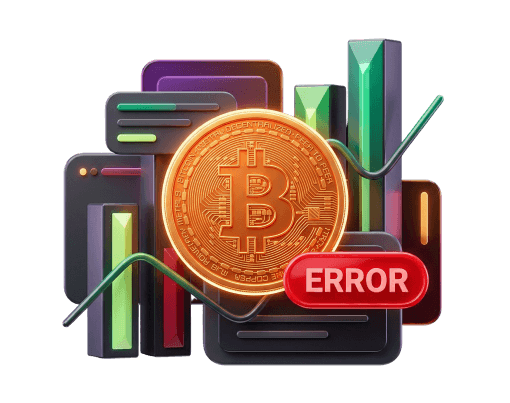
Sedno sprawy: Dekonstrukcja zmienności rynku kryptowalut
Zrozumienie, dlaczego ceny kryptowalut tak gwałtownie się zmieniają, jest kluczowe dla każdego, kto obserwuje ten rynek. W przeciwieństwie do tradycyjnych giełd, rynki cyfrowych aktywów działają 24/7, co oznacza, że ciągła zmienność cen jest normą. Wartość jest w dużej mierze napędzana przez spekulacje – traderzy reagują na wiadomości, nastroje w mediach społecznościowych i globalne trendy makroekonomiczne. Nagłe zmiany nastrojów rynkowych mogą prowadzić do gwałtownych wahań cen. Często występuje też cienka płynność, co oznacza, że nawet pojedyncze duże zlecenie może znacząco wpłynąć na cenę. Dodatkowo, handel z dźwignią i depozytem zabezpieczającym wzmacnia te ruchy, prowadząc do kaskadowych likwidacji. Te czynniki tworzą środowisko, w którym emocjonalne podejmowanie decyzji może być powszechne, a zrozumienie tych mechanizmów to pierwszy krok do nawigacji po nim.
Rynki kryptowalut nigdy nie śpią. Oznacza to, że ceny mogą drastycznie zmienić się w nocy lub w weekend, co stanowi fundamentalną różnicę w porównaniu do tradycyjnych rynków finansowych z ustalonymi godzinami handlu.
Kupuj kryptowaluty szybko, łatwo i bezpiecznie dzięki Switchere!

Zeskanuj, aby pobrać aplikację
Za kulisami: Operacyjny labirynt giełd kryptowalut
Giełdy kryptowalut stoją przed ogromnymi wyzwaniami, które bezpośrednio wpływają na doświadczenia użytkowników. Złożoność regulacyjna jest jednym z głównych problemów; przepisy różnią się w zależności od kraju, tworząc niepewność prawną. Zapewnienie bezpieczeństwa to kolejny priorytet. Platformy muszą chronić środki przed zaawansowanymi atakami hakerskimi, stosując takie rozwiązania jak przechowywanie w portfelach typu cold wallet. Integracja z systemem bankowym w celu obsługi walut fiat jest skomplikowana, ponieważ tradycyjne instytucje finansowe często podchodzą do kryptowalut z rezerwą. Problemy z zgodnością i utrzymaniem solidnych relacji bankowych mogą prowadzić do opóźnień w wpłatach i wypłatach. Niezawodny silnik transakcyjny, zdolny obsłużyć miliony operacji na sekundę bez opóźnień, jest technicznym fundamentem, którego utrzymanie wymaga ciągłych inwestycji i innowacji.
Nawigowanie w gąszczu globalnych przepisów finansowych, jednocześnie chroniąc aktywa cyfrowe przed ciągłymi zagrożeniami, to codzienne wyzwanie dla każdej dużej platformy transakcyjnej.
Strategie na burzliwym rynku: Jak traderzy zarządzają ryzykiem
Na rynkach charakteryzujących się dużą zmiennością, zarządzanie ryzykiem staje się podstawową umiejętnością. Doświadczeni traderzy często stosują różne techniki, aby chronić swój kapitał. Jedną z podstawowych jest dywersyfikacja, czyli rozłożenie inwestycji na różne aktywa, aby zmniejszyć wpływ gwałtownego spadku ceny jednego z nich. Ustawianie zleceń stop-loss to kolejna powszechna praktyka; jest to automatyczne zlecenie sprzedaży aktywa, gdy jego cena spadnie do określonego poziomu, co ogranicza potencjalne straty. Kluczową rolę odgrywa również psychologia rynku. Unikanie panicznej sprzedaży podczas korekt rynkowych wymaga dyscypliny i zrozumienia, że wahania są naturalną częścią tego rynku. Niektórzy przyjmują długoterminową strategię inwestycyjną, koncentrując się na fundamentach projektu, a nie na krótkoterminowych ruchach cen, co pomaga ignorować rynkowy szum i wskaźniki rynku niedźwiedzia.
Szukanie okazji w chaosie: Zaawansowane podejścia rynkowe
W niestabilnych warunkach rynkowych pojawiają się również bardziej złożone strategie. Niektórzy traderzy wykorzystują instrumenty pochodne na kryptowaluty, aby spekulować na spadkach cen. Krótka sprzedaż kryptowalut (shorting) za pośrednictwem kontraktów CFD lub na rynku kontraktów terminowych (futures) pozwala czerpać zyski z bessy. Jest to jednak podejście o wysokim ryzyku, często związane z handlem lewarowanym, który może zwielokrotnić zarówno zyski, jak i straty. Inne techniki obejmują arbitraż, czyli wykorzystywanie niewielkich różnic cenowych tego samego aktywa na różnych giełdach. Z kolei uśrednianie kosztów to systematyczne podejście polegające na regularnym kupowaniu stałej ilości aktywa, niezależnie od jego ceny, co może pomóc w zniwelowaniu skutków zmienności w długim okresie. Zlecenia z limitem ceny (limit orders) dają traderom kontrolę nad ceną zakupu lub sprzedaży, co jest kluczowe na szybko zmieniającym się rynku.
Kluczowe pojęcia
Arbitraż: Technika polegająca na jednoczesnym kupnie i sprzedaży aktywa na różnych rynkach w celu osiągnięcia zysku z różnicy w cenie.
Krótka sprzedaż: Strategia polegająca na sprzedaży pożyczonego aktywa z nadzieją na jego odkupienie po niższej cenie, aby zarobić na różnicy.
Budowanie bardziej odpornego rynku: Rozwiązania ogólnobranżowe
Cała branża aktywów cyfrowych pracuje nad rozwiązaniami mającymi na celu zwiększenie stabilności i dojrzałości rynku. Jasność regulacyjna jest jednym z najważniejszych celów; przejrzyste przepisy budują zaufanie i zachęcają do szerszej adopcji. Rośnie również udział instytucjonalny, co oznacza, że na rynek wchodzą duże fundusze inwestycyjne i firmy, przynosząc ze sobą znaczny kapitał i zapotrzebowanie na bardziej zaawansowane narzędzia. Wprowadzenie produktów takich jak fundusze ETF na kryptowaluty otwiera rynek dla szerszego grona inwestorów i dodaje mu legitymacji. Firmy market-makingowe i dostawcy płynności odgrywają kluczową rolę w stabilizowaniu cen poprzez zapewnienie, że zlecenia kupna i sprzedaży mogą być realizowane sprawnie. Wprowadzanie limitów dźwigni finansowej przez regulatorów i giełdy ma na celu ograniczenie nadmiernego ryzyka systemowego.
Tworzą bezpieczniejsze środowisko dla inwestorów.
Zwiększają płynność i stabilność rynku.
Umożliwiają ekspozycję na krypto poprzez tradycyjne rynki.
Rola giełdy: Narzędzia na rzecz przejrzystości i bezpieczeństwa
Nowoczesne i renomowane platformy handlowe aktywnie przyczyniają się do rozwiązywania problemów użytkowników. Kluczowym elementem budowania zaufania jest transparentność. Funkcje takie jak Dowód Rezerw (Proof-of-Reserves) pozwalają użytkownikom zweryfikować, czy giełda posiada wystarczające aktywa na pokrycie ich depozytów. Regularne raporty z audytów bezpieczeństwa, przeprowadzane przez niezależne firmy, potwierdzają solidność zabezpieczeń. Głęboka księga zleceń (order book) i duża głębokość rynku są wskaźnikami wysokiej płynności, co zapewnia, że traderzy mogą realizować transakcje po przewidywalnych cenach. Wielowarstwowe uwierzytelnianie (MFA) jest standardem w ochronie kont użytkowników. Adaptowalna infrastruktura pozwala platformom skalować swoje usługi w okresach wzmożonego ruchu, zapobiegając awariom. Niektóre giełdy oferują również integrację z giełdami zdecentralizowanymi, dając użytkownikom większy wybór i kontrolę.
- Większe bezpieczeństwo środków
- Przejrzystość operacyjna
- Lepsza ochrona konsumenta
- Stabilne połączenia z bankowością
- Bardziej złożony proces weryfikacji
- Ograniczenia geograficzne
- Mniejsza anonimowość
- Mniejszy wybór aktywów niż na DEX-ach
Twoja największa przewaga: Siła edukacji i dojrzałość rynku
Ostatecznie najskuteczniejszym narzędziem w nawigacji po rynku kryptowalut jest wiedza. Dostępna edukacja, oferowana przez platformy i niezależnych ekspertów, odgrywa kluczową rolę w budowaniu świadomej bazy użytkowników. Zasoby takie jak kursy online, artykuły i webinary pomagają zrozumieć zarówno podstawy, jak i zaawansowane koncepcje. Konta demo do handlu pozwalają nowym użytkownikom na praktykę bez ryzykowania prawdziwych pieniędzy, co jest nieocenionym doświadczeniem edukacyjnym. Zrozumienie lokalnych regulacji dotyczących promocji finansowych jest również istotne, aby odróżnić wiarygodne informacje od wprowadzających w błąd reklam. W miarę jak rynek dojrzewa, a inwestorzy instytucjonalni wnoszą swoje standardy, rośnie zapotrzebowanie na rzetelne dane i audyty. Wyedukowany trader jest w stanie podejmować lepsze decyzje, co przyczynia się do zdrowszego i bardziej stabilnego ekosystemu dla wszystkich.
| Zasób edukacyjny | Cel | Najlepsze dla |
| Artykuły i blogi | Zrozumienie bieżących trendów i koncepcji | Początkujących i średniozaawansowanych |
| Konta demo | Praktyka handlu bez ryzyka finansowego | Początkujących |
| Kursy tradingowe | Ustrukturyzowana nauka strategii i analizy | Osób poszukujących dogłębnej wiedzy |
| Raporty z audytów | Weryfikacja bezpieczeństwa i rezerw platformy | Wszystkich użytkowników |
Często zadawane pytania
-
Dlaczego kryptowaluty są znacznie bardziej zmienne niż akcje?
Główne przyczyny to: rynek działający 24/7 bez przerw, wartość napędzana głównie przez spekulację i nastroje, niższa płynność w porównaniu do tradycyjnych rynków oraz wpływ handlu z dźwignią, który potęguje wahania cen. -
Co to jest zlecenie 'stop-loss' i jak pomaga zarządzać ryzykiem?
Stop-loss to automatyczne zlecenie sprzedaży aktywa, gdy jego cena spadnie do wcześniej określonego poziomu. Jest to narzędzie do zarządzania ryzykiem, które pomaga ograniczyć potencjalne straty w przypadku niekorzystnego ruchu na rynku. -
Jak mogę zweryfikować, czy giełda krypto jest bezpieczna i godna zaufania?
Szukaj giełd, które publikują Dowód Rezerw (Proof-of-Reserves), regularnie przechodzą niezależne audyty bezpieczeństwa, posiadają licencje w renomowanych jurysdykcjach i oferują zaawansowane zabezpieczenia konta, takie jak wielowarstwowe uwierzytelnianie (MFA). -
Czy można osiągnąć zysk, gdy rynek krypto spada?
Tak, istnieją zaawansowane strategie, takie jak krótka sprzedaż (shorting) za pomocą instrumentów pochodnych, np. kontraktów CFD lub futures. Pozwalają one traderom spekulować na spadku ceny aktywa. Są to jednak strategie o wysokim ryzyku. -
Co oznacza 'Proof-of-Reserves' i dlaczego jest to ważne dla giełdy?
Proof-of-Reserves (Dowód Rezerw) to audyt, który pozwala giełdzie publicznie udowodnić, że posiada wystarczające rezerwy na pokrycie wszystkich depozytów swoich klientów w stosunku 1:1. Jest to kluczowy element budowania zaufania i przejrzystości.
Przewodniki po kryptowalutach
Początkujący-frendly
Zrozumienie Mechaniki Rynków Finansowych Szczegółowy przegląd funkcjonowania giełd, instrumentów i systemów transakcyjnych.
 Farouk Ahmed
|
Farouk Ahmed
|
Mechanika day tradingu: Jak funkcjonuje handel wewnątrzsesyjny Zrozumienie zjawisk, technologii rynkowej i metod analizy, które napędzają dzisiejsze platformy giełdowe i decyzje operatorów finansowych.
 Alexey Morozov
|
Alexey Morozov
|
Struktury korporacyjne na rynkach: Przewodnik po numerze EIN Zrozum obiektywne mechanizmy zakładania działalności, oddzielania kapitału i nawigowania po instytucjonalnych kontach brokerskich.
 Oliver Grant
|
Oliver Grant
|

Nasza strona używa plików cookie. Nasza polityka dotycząca plików cookie