


Gestione del Rischio nel Trading di Criptovalute: La Guida Essenziale
Comprendere e navigare i rischi è il primo passo per un trading consapevole nel mercato degli asset digitali.
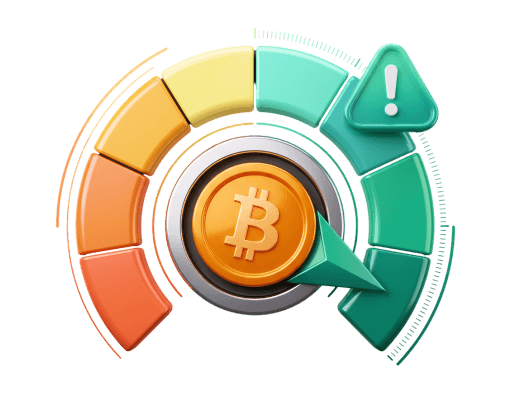
Oltre la Speculazione: Fondamenti della Gestione del Rischio
Affrontare il mercato delle criptovalute richiede più di un semplice intuito per le tendenze. Una gestione del rischio efficace non è una barriera alla crescita, ma il fondamento su cui si costruisce un'operatività sostenibile. È la disciplina che distingue chi partecipa al mercato in modo metodico da chi si affida puramente al caso. Nel contesto degli asset digitali, noti per le loro rapide oscillazioni di prezzo, la gestione del rischio significa comprendere, identificare e mitigare le potenziali perdite prima ancora di aprire una posizione. Non si tratta di eliminare il rischio, un'impresa impossibile in qualsiasi mercato, ma di gestirlo in modo intelligente. Questo approccio trasforma l'incertezza da una minaccia paralizzante a una variabile calcolata, consentendo di operare con maggiore chiarezza e preparazione.
Acquistate criptovalute in modo rapido, semplice e sicuro con Switchere!

Scansiona per scaricare l'app
La Tua Prima Difesa: Scegliere una Piattaforma di Trading Sicura
La scelta di una piattaforma di trading è la decisione più critica per la salvaguardia dei propri capitali. Una piattaforma di trading di criptovalute affidabile agisce come una fortezza digitale, mitigando i rischi operativi e di controparte. La valutazione non dovrebbe basarsi solo sulle commissioni basse, ma soprattutto sui protocolli di sicurezza. Funzionalità come l'autenticazione a due fattori (2FA), la conservazione della maggior parte dei fondi in cold storage (offline) e una solida infrastruttura blockchain regolamentata sono indicatori chiave. La reputazione del broker, costruita su anni di affidabilità e trasparenza, è altrettanto fondamentale. Un'elevata liquidità sulla piattaforma garantisce che gli ordini vengano eseguiti al prezzo desiderato, mentre una app user-friendly facilita la gestione delle operazioni senza errori. La custodia sicura degli asset è la priorità assoluta.
La protezione del proprio account va oltre la password. Attivare tutte le misure di sicurezza disponibili, come 2FA e whitelist per i prelievi, è un passo essenziale per difendersi da accessi non autorizzati e potenziali minacce esterne. Si consiglia sempre di cercare una consulenza finanziaria indipendente per una valutazione del rischio completa.
Domare la Volatilità: Comprendere le Oscillazioni di Mercato
La volatilità è la caratteristica più nota delle criptovalute. I prezzi delle criptovalute possono subire variazioni significative in brevi periodi, spinte da notizie, sentiment di mercato o fattori macroeconomici. Comprendere la natura di questa price action è il primo passo per gestirla. Un concetto fondamentale in questo contesto è l'ordine stop loss, un'istruzione automatica per chiudere una posizione quando raggiunge un determinato prezzo di mercato, limitando così un potenziale drawdown. Asset con una maggiore capitalizzazione di mercato tendono storicamente a mostrare una volatilità inferiore rispetto a token più piccoli ed emergenti. Il trading spot, che prevede l'acquisto o la vendita di crypto spot per consegna immediata, espone direttamente a queste fluttuazioni, rendendo la comprensione di questi strumenti ancora più rilevante per chi ha una bassa avversione al rischio e desidera proteggere i propri fondi.
Concetti Chiave sulla Volatilità
Volatilità: Misura la rapidità e l'ampiezza delle variazioni di prezzo di un asset in un dato periodo.
Stop Loss: Un ordine preimpostato per vendere un asset quando raggiunge un prezzo specifico, utilizzato per limitare le perdite.
Drawdown: La riduzione massima del capitale da un picco al successivo punto più basso, prima che venga raggiunto un nuovo picco.
Il Pericolo Nascosto: Gestire i Rischi di Liquidità
La liquidità si riferisce alla facilità con cui un asset può essere comprato o venduto senza influenzare significativamente il suo prezzo. Un mercato liquido ha molti acquirenti e venditori. Criptovalute come Bitcoin ed Ether beneficiano di enormi pool di liquidità, ma il discorso cambia per molte criptovalute a bassa capitalizzazione. Operare su un exchange spot con bassi volumi introduce il rischio di 'slippage', dove il prezzo di esecuzione di un ordine è peggiore di quello previsto. I vincoli di liquidità rendono anche difficile l'uscita da grandi posizioni senza causare un forte movimento del prezzo di mercato. Una tecnica comune per mitigare questo rischio è frazionare grandi ordini in parti più piccole, per ridurre l'impatto sulla dimensione dell'operazione e adattarsi al flusso e riflusso di liquidità del mercato.
| Asset | Liquidità Tipica | Rischio Slippage |
| Bitcoin (BTC) | Molto Alta | Basso |
| Ether (ETH) | Alta | Moderato-Basso |
| Altcoin a media capitalizzazione | Moderata | Medio |
| Altcoin a bassa capitalizzazione | Bassa o Molto Bassa | Alto |
Sabbie Mobili: Comprendere l'Incertezza Normativa
Il rischio normativo è un fattore esterno e imprevedibile che può avere un impatto profondo sul mercato delle criptovalute. Diverse giurisdizioni in tutto il mondo stanno ancora definendo le proprie posizioni, creando un panorama di leggi e regolamenti in continua evoluzione. Una nuova regolamentazione futura può influenzare i prezzi, limitare l'accesso a certi asset o modificare le operazioni degli exchange. Sebbene l'incertezza crei rischi, molti operatori del settore vedono la creazione di un'infrastruttura normativa chiara come un passo positivo. Un solido quadro normativo per il denaro istituzionale è considerato da molti un prerequisito per l'ingresso di grandi capitali dai mercati sviluppati, che potrebbe portare a una maggiore stabilità e legittimità per l'intero ecosistema a lungo termine. Essere informati su questi sviluppi è essenziale.
La regolamentazione delle criptovalute non è una questione locale, ma un mosaico globale in costante mutamento che richiede un monitoraggio continuo.
Stare All'erta: Come Individuare ed Evitare Truffe e Frodi
La natura decentralizzata e relativamente nuova del mercato crypto attira inevitabilmente attori malintenzionati. La frode è un rischio reale che richiede vigilanza costante. Le truffe più comuni includono schemi di phishing per rubare le credenziali dei conti sugli exchange di criptovalute e la promozione di un progetto di criptovaluta fraudolento che promette rendimenti irrealistici. Poiché gran parte del mercato rimane un mercato non regolamentato in molte aree, la responsabilità di proteggersi ricade in gran parte sull'individuo. La migliore difesa è la due diligence: ricercare approfonditamente i progetti, essere scettici verso le offerte 'troppo belle per essere vere' e affidarsi esclusivamente a una piattaforma di trading di criptovalute con una solida reputazione. La crescente attenzione da parte di istituzioni e organi di regolamentazione sta contribuendo a ripulire il settore, ma la cautela resta d'obbligo.
Rendimenti garantiti o esagerati sono un classico segnale di allarme.
Le offerte a tempo limitato che spingono a decisioni affrettate sono spesso fraudolente.
Un progetto senza un team pubblico e verificabile è un grande campanello d'allarme.
Costruire una Mentalità di Trading Resiliente e Informata
La gestione del rischio non è una lista di controllo da completare una sola volta, ma un processo continuo di apprendimento e adattamento. Comprendere la sicurezza della piattaforma, la volatilità del mercato, le dinamiche di liquidità, il panorama normativo e le minacce di frode sono i pilastri di un approccio maturo al trading di criptovalute. Ogni decisione presa dovrebbe essere filtrata attraverso una lente di consapevolezza del rischio. L'obiettivo non è evitare ogni possibile perdita, ma assicurarsi di operare all'interno di parametri che si comprendono e si accettano. In definitiva, la conoscenza è lo strumento più potente a disposizione. Un operatore informato e disciplinato è meglio equipaggiato per navigare le acque complesse del mercato degli asset digitali, trasformando le sfide in opportunità di crescita e apprendimento.
Domande frequenti
-
Qual è il singolo rischio più grande nel trading di criptovalute?
La volatilità del mercato è spesso citata come il rischio più significativo. I prezzi possono cambiare drasticamente in brevi periodi, portando a potenziali perdite sostanziali se non gestiti con strumenti e strategie appropriate. -
È possibile fare trading di criptovalute a rischio zero?
No, non è possibile. Qualsiasi forma di trading o investimento comporta un certo grado di rischio. L'obiettivo della gestione del rischio non è eliminare il rischio, ma comprenderlo, misurarlo e mantenerlo entro limiti accettabili. -
In che modo un ordine stop-loss aiuta a gestire il rischio?
Un ordine stop-loss è uno strumento automatico che chiude una posizione di trading quando il prezzo dell'asset raggiunge un livello predeterminato. Il suo scopo principale è limitare le potenziali perdite su una singola operazione, agendo come una rete di sicurezza. -
Perché la scelta di un exchange affidabile è così importante per la sicurezza?
Un exchange affidabile investe pesantemente in misure di sicurezza come la custodia offline (cold storage) e l'autenticazione a più fattori per proteggere i fondi degli utenti da hackeraggi e furti. Funziona anche in conformità con le normative, riducendo il rischio di controparte. -
In che modo la bassa liquidità aumenta il rischio di trading?
La bassa liquidità significa che ci sono pochi acquirenti e venditori per un determinato asset. Questo può causare 'slippage', ovvero una differenza tra il prezzo previsto e il prezzo di esecuzione di un ordine. Rende anche difficile vendere grandi quantità di un asset senza farne crollare il prezzo.
Guide alle criptovalute
Principiante-frendly
Esplorando le Meccaniche del Trading Finanziario Un esame tecnico e informativo sul funzionamento dei mercati globali, le dinamiche di esecuzione degli ordini e l'infrastruttura di intermediazione.
 Farouk Ahmed
|
Farouk Ahmed
|
Meccaniche del Trading Intraday Analisi tecnica e operativa dell'esecuzione di mercato a breve termine
 Alexey Morozov
|
Alexey Morozov
|
Costruire un'Infrastruttura Aziendale per i Profitti del Trading Come le entità legali e i codici EIN trasformano la gestione contabile e operativa dei volumi ad alta frequenza.
 Oliver Grant
|
Oliver Grant
|

Il nostro sito web utilizza i cookie. La nostra politica sui cookie