


Birleşik Krallık Kripto Para Vergileri Kılavuzu
HMRC'nin kripto varlıkları nasıl vergilendirdiğini ve Sermaye Kazançları Verginizi nasıl yöneteceğinizi anlayın.
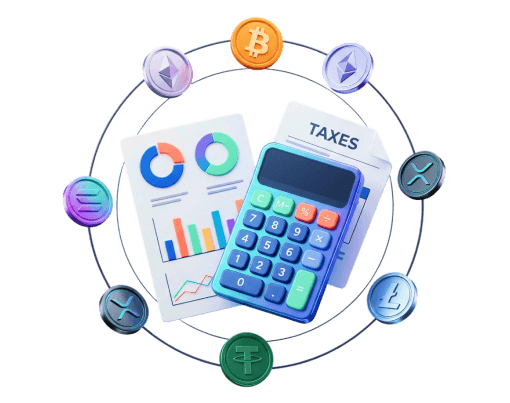
Kripto Alım Satımı Birleşik Krallık'ta Neden Vergiye Tabidir?
Birleşik Krallık'ta kripto para alım satımından elde edilen kârlar vergiye tabidir çünkü Majestelerinin Gelir ve Gümrük İdaresi (HMRC), kripto varlıklarını para birimi olarak değil, sermaye varlıkları olarak görür. Bu, Bitcoin gibi coinler ve tokenlar da dahil olmak üzere kripto varlıklarınızı elden çıkardığınızda, elde ettiğiniz kârlar üzerinden Sermaye Kazançları Vergisi (CGT) ödemeniz gerekebileceği anlamına gelir. Bir 'elden çıkarma olayı', varlıklarınızı satmaktan daha fazlasını içerir. Kripto varlıklarınızı başka bir kripto türüyle değiştirmek, bunları mal veya hizmetler için harcamak veya bir başkasına hediye etmek (eşiniz veya sivil partneriniz hariç) gibi işlemlerin tümü potansiyel olarak vergiye tabi olaylardır. İşletme harcamaları için kripto kullanmak da bu kategoriye girer. Bu nedenle, alım satım faaliyetlerinizden doğan kârları doğru bir şekilde bildirmek önemlidir.
BK vergi kurallarına göre, bir kripto varlığını satmak, başka bir varlıkla takas etmek, mal veya hizmetler için harcamak ya da hediye etmek gibi eylemler 'elden çıkarma' olarak kabul edilir ve Sermaye Kazançları Vergisi'ne tabi olabilir.
Switchere ile hızlı, kolay ve güvenli bir şekilde kripto satın alın!

Uygulamayı indirmek için tarayın
BK Kripto Vergisinin Temeli: Sermaye Kazançlarını Anlamak
Sermaye Kazançları Vergisi (CGT), bir varlığı satın aldığınız fiyattan daha yüksek bir fiyata sattığınızda elde ettiğiniz kâr üzerinden ödenir. Kripto para bağlamında bu, bir kripto varlığını elden çıkardığınızda gerçekleşir. Kriptodan elde edilen sermaye kazançları, elden çıkarma geliriniz ile orijinal maliyetiniz (artı işlem ücretleri gibi ilişkili masraflar) arasındaki farktır. Eğer varlığı satın aldığınızdan daha düşük bir fiyata satarsanız, bu bir sermaye zararı olarak kabul edilir ve bu zararı aynı vergi yılındaki diğer kazançları dengelemek için kullanabilirsiniz. HMRC'nin kripto alım satım faaliyetlerini ele almak için 'aynı gün kuralı' ve '30 gün kuralı' (genellikle 'bed and breakfasting' olarak bilinir) gibi özel kuralları vardır. Bu kurallar, aynı varlığın kısa süre içinde tekrar tekrar alınıp satıldığı durumlarda maliyet esasını belirler. Tüm işlemlerin titiz kayıtlarını tutmak bu nedenle çok önemlidir.
Önemli Eşleştirme Kuralları
Aynı Gün Kuralı: Aynı gün içinde aynı kripto varlığından hem alım hem de satım yaparsanız, bu işlemler vergi hesaplaması için birbirleriyle eşleştirilir.
30 Gün Kuralı (Bed and Breakfasting): Bir varlığı sattıktan sonraki 30 gün içinde aynı varlıktan geri alırsanız, bu yeni alım, maliyet esasını belirlemek için önceki satışla eşleştirilir. Bu, yapay olarak vergi zararı yaratmayı önlemek için tasarlanmıştır.
Kripto Sermaye Kazançları Verginizi Nasıl Hesaplarsınız?
Kripto vergi yükümlülüğünüzü hesaplamak, ilk başta karmaşık görünebilir ancak birkaç temel adıma indirgenebilir. Süreç, her bir elden çıkarma işlemi için kazanç veya zararı belirlemekle başlar. Bunu yapmak için, elden çıkarma sırasında varlığın sterlin cinsinden değerinden, orijinal satın alma maliyetini ve işlem ücretleri gibi izin verilen masrafları çıkarırsınız. Bu kripto ile ilgili masraflar, vergiye tabi kazancınızı azaltabilir. Vergi yılı boyunca tüm kazançlarınızı topladıktan sonra, gerçekleşen sermaye zararlarını düşersiniz. Son adım, yıllık vergisiz sermaye kazancı muafiyetini uygulamaktır. Bu, her vergi yılında vergi ödemeden elde edebileceğiniz kâr miktarıdır. Kalan tutar, vergiye tabi toplam kazancınızdır ve vergi faturası tutarınızı belirlemek için kullanılır. Yıllık kazançlarınızın doğru bir dökümünü yapmak için bir kripto hesaplayıcı veya bir muhasebeci kullanmak faydalı olabilir.
Ödemeniz Gereken Nihai Vergi Tutarını Belirleme
Ödemeniz gereken nihai Sermaye Kazançları Vergisi tutarı, toplam vergiye tabi kazançlarınızın yanı sıra Gelir Vergisi diliminize de bağlıdır. Birleşik Krallık'ta CGT oranları, temel oranlı bir vergi mükellefi mi yoksa yüksek veya ek oranlı bir vergi mükellefi mi olduğunuza göre değişir. Genellikle, temel oranlı vergi mükellefleri daha düşük bir CGT oranı öderken, yüksek oranlı vergi mükellefleri daha yüksek bir oran öder. Kripto kârınız, Gelir Vergisi ödeme sınırınızı aşmanıza neden olabilir ve bu da daha yüksek bir CGT oranına tabi olmanıza yol açabilir. Ayrıca, tüm kripto faaliyetlerinin CGT'ye tabi olmadığını anlamak önemlidir. Staking veya mining yoluyla elde edilen gelir, HMRC tarafından genellikle ek gelir olarak görülür ve Gelir Vergisi'ne tabidir. HMRC'nin kripto varlık kılavuzu bu ayrımlar hakkında ayrıntılı bilgi sağlar ve beyan edilmemiş gelirler için cezaları önlemek amacıyla kurallara uymak esastır.
| Vergi Mükellefi Türü | Konut Dışı Varlıklar İçin CGT Oranı (Kripto dahil) |
| Temel Oranlı Vergi Mükellefi | 10% |
| Yüksek veya Ek Oranlı Vergi Mükellefi | 20% |
Son Tarihler ve Kripto Verginizi Nasıl Ödersiniz?
Kripto vergisi yükümlülüklerinizi yerine getirmek, önemli son tarihleri bilmeyi ve doğru prosedürleri takip etmeyi gerektirir. Birleşik Krallık vergi yılı her yıl 6 Nisan'da başlar ve bir sonraki yılın 5 Nisan'ında sona erer. Kripto faaliyetlerinizden elde ettiğiniz kazançları beyan etmeniz gerekiyorsa, bunu bir Bireysel Vergi Beyannamesi (Self Assessment tax return) aracılığıyla yapmalısınız. Kripto kârlarınızı beyan etmek için HMRC'ye kaydolmanız gereken son tarih, vergi yılının sona ermesinden sonraki 5 Ekim'dir. Vergi beyannamenizi online olarak doldurmak ve vergi faturanızı ödemek için son tarih ise bir sonraki yılın 31 Ocak'ıdır. Örneğin, Nisan 2023 ile Nisan 2024 arasındaki vergi yılı için kazançlarınızı 31 Ocak 2025'e kadar beyan etmeli ve ödemelisiniz. Bu vergi beyannamesi son tarihini kaçırmak, cezalara ve faiz ücretlerine yol açabilir, bu yüzden organize olmak önemlidir.
Kripto Vergi Yükümlülüğünüzü Yasal Olarak Azaltma Stratejileri
Kripto vergi faturanızı yönetmek için HMRC tarafından onaylanmış birkaç strateji bulunmaktadır. En temel yöntem, yıllık vergisiz sermaye kazancı muafiyetini tam olarak kullanmaktır. Her vergi mükellefi, vergi ödemeden belirli bir miktarda kazanç elde edebilir. Kazançlarınızı bu eşiğin altında tutmak için elden çıkarmalarınızı birden fazla vergi yılına yaymayı düşünebilirsiniz. Bir diğer yaygın strateji ise 'vergi zararı mahsubu'dur. Bir kripto varlığını zararına satarsanız, bu zararı aynı vergi yılındaki sermaye kazançlarınızı dengelemek için kullanabilir ve böylece toplam vergiye tabi tutarınızı azaltabilirsiniz. Ayrıca, mining veya staking gibi faaliyetlerden küçük miktarlarda gelir elde ederseniz, yıllık ticaret muafiyetinden yararlanabilirsiniz. Sermaye kazançları vergisi oranları gelirinize bağlı olduğundan, zamanlama ve planlama, vergi verimliliğinizi önemli ölçüde etkileyebilir.
Her yıl belirli bir miktarda kârı vergisiz olarak realize edin.
Gelecekteki vergi faturalarını azaltmak için zararları kazançlara karşı dengeleyin.
Staking veya mining gibi çeşitli gelirler için ayrı bir muafiyet.
Profesyonel Kripto Vergi Danışmanlığı Almanın Önemi
Kripto para vergilendirme kuralları karmaşık olabilir ve zamanla değişebilir. Bu rehber genel bir bakış sunsa da, kişisel durumunuza özel değildir. Bu nedenle, profesyonel rehberlik almak şiddetle tavsiye edilir. Nitelikli muhasebeciler veya uzman kripto vergi danışmanları, kurallara tam olarak uymanızı sağlamanıza yardımcı olabilir. Bir kripto yatırımcısı olarak, doğru vergi tutarını ödediğinizden ve mevcut tüm yasal muafiyetlerden yararlandığınızdan emin olmak istersiniz. Bir uzmanla bire bir danışmanlık, maliyetli hatalardan kaçınmanıza, vergi planlamanızı optimize etmenize ve HMRC ile olası sorunları önlemenize yardımcı olabilir. Kripto vergi danışmanlığına yatırım yapmak, uzun vadede size hem para kazandırabilir hem de gönül rahatlığı sağlayabilir.
Kripto vergi düzenlemelerinin karmaşıklığı göz önüne alındığında, kişiselleştirilmiş kripto vergi danışmanlığı almak, yalnızca bir tavsiye değil, uyumluluğu ve verimliliği sağlamak için stratejik bir adımdır.
Sıkça sorulan sorular
-
Mevcut Birleşik Krallık vergi yılı için Sermaye Kazançları Vergisi muafiyeti ne kadar?
2024-2025 vergi yılı için yıllık Sermaye Kazançları Vergisi muafiyeti bireyler için £3,000'dur. Bu, bu miktarın altındaki kârlar için vergi ödemeyeceğiniz anlamına gelir. Ancak bu rakam değişebilir, bu nedenle en güncel bilgiler için her zaman gov.uk web sitesini kontrol edin. -
Sadece kripto para alıp elinde tutarsam (HODL) vergi ödemem gerekir mi?
Hayır. Yalnızca kripto para alıp tutmak vergiye tabi bir olay değildir. Vergi yükümlülüğü, varlıklarınızı sattığınız, takas ettiğiniz veya mal ve hizmetler için harcadığınız zaman, yani 'elden çıkardığınızda' ortaya çıkar. -
Kripto işlemlerim için hangi kayıtları tutmam gerekiyor?
Her işlem için ayrıntılı kayıtlar tutmalısınız. Bunlar şunları içermelidir: satın alınan kripto türü ve miktarı, işlem tarihleri, sterlin cinsinden değeri, işlem ücretleri ve kullandığınız cüzdan adresleri. Bu kayıtlar, kazançlarınızı ve zararlarınızı doğru bir şekilde hesaplamak için çok önemlidir. -
Birleşik Krallık'ta kripto para kayıpları vergi açısından nasıl ele alınır?
Kripto para kayıpları, sermaye kazançlarınızı dengelemek için kullanılabilir. Bir vergi yılında toplam zararlarınız toplam kazançlarınızı aşarsa, bu net zararı gelecekteki vergi yıllarındaki kazançları dengelemek için dört yıla kadar ileriye taşıyabilirsiniz. -
DeFi, airdrop veya staking'den elde edilen gelir de vergiye tabi midir?
Evet. Bu faaliyetlerden elde edilen gelir genellikle vergiye tabidir, ancak ele alınma şekli farklılık gösterebilir. Airdrop'lar ve staking ödülleri genellikle Gelir Vergisi'ne tabidir. DeFi (Merkeziyetsiz Finans) işlemleri karmaşık olabilir ve hem Sermaye Kazançları Vergisi hem de Gelir Vergisi sonuçları doğurabilir. Durumunuza göre bir uzmana danışmanız en iyisidir.
Kripto kılavuzları
Yeni başlayanlar için
Ticaretin Anatomisi ve Piyasa Dinamikleri Piyasa katılımcılarının finansal ekosistemde nasıl hareket ettiğini objektif bir bakış açısıyla inceleyin.
 Farouk Ahmed
|
Farouk Ahmed
|
Gün İçi İşlem Mekanikleri Piyasa Dinamikleri, Emrin İletimi ve Teknik Altyapı Hakkında Bilgilendirici Rehber
 Alexey Morozov
|
Alexey Morozov
|
Günlük Alım Satım Karlarını Bir EIN Altında Yönetmek Bireysel hesaplardan kurumsal yatırım yapılarına geçiş sürecinin ardındaki mekanizmaları ve işletme standartlarını inceleyen kapsamlı bir rehber.
 Oliver Grant
|
Oliver Grant
|

Web sitemizde çerezler kullanılmaktadır. Çerez Politikamız