


Знайдіть криптододаток, що підходить саме вам
Наш експертний посібник допоможе розібратися в комісіях, безпеці та функціях, щоб зробити розумний вибір.
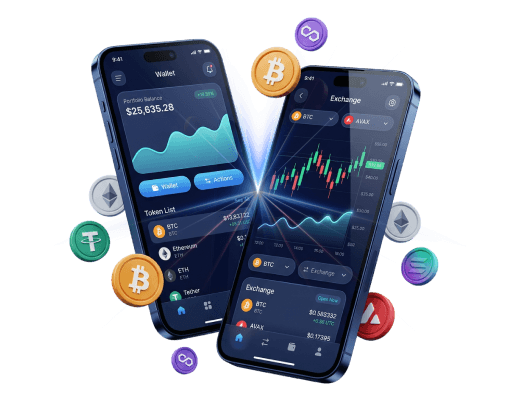
Навігація у світі додатків для криптотрейдингу
Криптовалютний ринок більше не є нішевою територією для технічних ентузіастів. Сьогодні мільйони людей взаємодіють з цифровими активами, і основним інструментом для цього стали додатки для криптотрейдингу. Це не просто програмне забезпечення на вашому телефоні; це ваші ворота до складної фінансової екосистеми. Правильний вибір додатка є фундаментальним кроком, який може суттєво вплинути на вашу безпеку, витрати та загальний успіх. Найкращий додаток — це не той, що має найяскравішу рекламу, а той, що найкраще відповідає вашим індивідуальним потребам, рівню досвіду та толерантності до ризику. Цей посібник створений, щоб надати вам чітку структуру для оцінки та вибору інструменту, який стане вашим надійним партнером.
Еволюція цих інструментів була стрімкою. Те, що колись було громіздкими настільними програмами, перетворилося на елегантні та потужні мобільні платформи. Сучасна мобільна платформа пропонує функціонал, який раніше був доступний лише професійним трейдерам на спеціалізованому обладнанні. Ця доступність демократизувала доступ до криптоактивів, але водночас створила проблему вибору. Ринок переповнений сотнями додатків, кожен з яких обіцяє найкращі умови. Ключовим фактором, що відрізняє хороший додаток від посереднього, є користувацький досвід. Він має бути інтуїтивно зрозумілим, швидким і надійним, дозволяючи вам зосередитися на своїх рішеннях, а не на боротьбі з інтерфейсом. Окрім зручності, на самому початку варто перевірити два критичні аспекти: перелік підтримуваних криптовалют та доступні платіжні опції. Немає нічого гіршого, ніж пройти весь процес реєстрації, щоб з'ясувати, що додаток не підтримує потрібний вам актив або не працює з вашим банком.
Купуйте криптовалюту швидко, легко і безпечно з Switchere!

Скануйте, щоб завантажити додаток
Біржі, брокери чи гаманці? Розуміння ваших опцій
Перш ніж завантажувати будь-який додаток, важливо зрозуміти, з яким типом сервісу ви маєте справу. Існує три основні категорії, і кожна з них має свої особливості. Найпоширенішим варіантом є централізована біржа (CEX). Це, по суті, ринковий майданчик, де користувачі купують і продають криптовалюту один в одного, а біржа виступає посередником, що забезпечує ліквідність та виконання ордерів. Вони пропонують широкий набір інструментів та активів. Альтернативою є криптовалютні брокери, які діють як прямі контрагенти. Замість того, щоб зводити покупців і продавців, вони самі продають вам криптовалюту зі своїх резервів за ціною, яка включає їхню націнку (спред). Брокери часто пропонують простіший інтерфейс, орієнтований на новачків, але можуть мати вищі приховані витрати.
Третя і найважливіша категорія стосується зберігання активів — гаманці. Тут вибір зводиться до питання контролю. Більшість бірж та брокерів за замовчуванням використовують кастодіальний гаманець. Це означає, що вони зберігають ваші приватні ключі, а отже, контролюють ваші кошти. Це зручно, але несе ризики, пов'язані з безпекою самої платформи. Протилежністю є некастодіальний гаманець, також відомий як гаманець для самостійного зберігання. У цьому випадку ви, і тільки ви, володієте приватними ключами. Це втілення принципу "не твої ключі — не твої монети". Такі гаманці бувають у вигляді програмного забезпечення (програмні гаманці) або фізичних пристроїв (апаратні гаманці), що пропонують найвищий рівень безпеки. Нарешті, набирають популярності децентралізовані криптобіржі (DEX) — платформи, що працюють на блокчейні без центрального посередника і дозволяють торгувати напряму з вашого некастодіального гаманця, забезпечуючи максимальний контроль та приватність.
- Простота використання та відновлення доступу.
- Не потрібно самостійно керувати ключами.
- Зазвичай інтегровані з торговими функціями.
- Повний контроль над вашими активами.
- Вищий рівень безпеки від зломів платформ.
- Ризик втрати доступу при втраті ключів.
Схема вибору вашого додатка: ключові критерії
Коли ви визначилися з типом платформи, настав час оцінити конкретні додатки за набором чітких критеріїв. Це ваш особистий аудит, який допоможе відсіяти ненадійні варіанти. По-перше, безпека. Це не просто функція, а фундамент. Шукайте додатки, які вимагають двофакторну автентифікацію, використовують шифрування та зберігають переважну більшість активів у холодному сховищі. По-друге, відповідність нормативним вимогам. Платформа, що має ліцензії від авторитетних регуляторів (наприклад, у США чи Європі), демонструє серйозне ставлення до своєї діяльності. Це також означає, що вона дотримується правил боротьби з відмиванням грошей, тому будьте готові до вимог KYC (Know Your Customer) — процедури верифікації особи. Прозорість є ще одним важливим аспектом. Провідні платформи регулярно проходять аудити підтвердження резервів, щоб довести, що вони мають активи клієнтів у повному обсязі.
Далі йдуть критерії, пов'язані з щоденним використанням. Користувацький досвід має бути на висоті. Інтерфейс повинен бути зрозумілим, а мобільна платформа — стабільною та швидкою. Уважно вивчіть структуру комісій. Деякі платформи приваблюють низькими торговими комісіями, але мають високі збори за виведення коштів. Повний аналіз всіх потенційних витрат є обов'язковим. Перевірте список підтримуваних криптовалют. Чи є там активи, які вас цікавлять? Які доступні торгові інструменти? Для початківців достатньо базових ринкових ордерів, але з часом вам можуть знадобитися більш складні опції. Нарешті, не варто недооцінювати якість обслуговування клієнтів. Коли виникають проблеми з вашими коштами, швидка та компетентна підтримка є безцінною. Перевірте відгуки про швидкість та ефективність їхньої допомоги.
Вибір торгового додатка схожий на вибір банку. Ви довіряєте йому свої гроші, тому рівень належної обачності має бути максимальним. Не поспішайте і ретельно досліджуйте кожен аспект.
Основні функції та інструменти найкращих торгових додатків
Базові функції купівлі та продажу є в кожному додатку, але провідні платформи пропонують набагато більше, перетворюючись на повноцінні фінансові центри. Однією з ключових відмінностей є якість торгових інструментів. Графіки в реальному часі з можливістю технічного аналізу є стандартом для будь-якої серйозної платформи. Просунуті торгові інструменти, такі як різні типи ордерів (стоп-лос, тейк-профіт, умовні ордери), дозволяють трейдерам реалізовувати складніші стратегії та керувати ризиками. Для досвідчених користувачів та розробників важливим є доступ до API, що дозволяє підключати торгових ботів або інтегрувати дані платформи у власні системи.
Окрім активної торгівлі, сучасні додатки пропонують способи отримання пасивного доходу. Найпопулярнішим є стейкінг, що дозволяє отримувати нагороди за стейкінг, просто утримуючи певні криптовалюти для підтримки роботи їхніх мереж. Деякі платформи також пропонують кредитні програми або інтегровані пропозиції DeFi, що відкриває доступ до децентралізованих фінансових протоколів безпосередньо з інтерфейсу додатка. Функції, що набирають популярності, включають копітрейдинг, який дозволяє автоматично копіювати угоди успішних трейдерів, та маржинальна та деривативна торгівля (ф'ючерси, опціони), що пропонує інструменти з високим ризиком та потенційним прибутком для професіоналів. За всіма цими функціями стоїть безпека. Платформи повинні забезпечувати її на кількох рівнях: від обов'язкової двофакторної автентифікації для користувачів до зберігання переважної частини активів у холодному сховищі (cold storage) на інституційному рівні. Деякі сервіси навіть пропонують вбудований некастодіальний гаманець, даючи користувачам вибір між зручністю та повним контролем.
Пояснення передових функцій
Стейкінг: Процес блокування криптовалюти для участі в механізмі консенсусу блокчейну (Proof-of-Stake) та отримання винагород.
Копітрейдинг: Система, що дозволяє інвесторам автоматично копіювати позиції, відкриті іншими трейдерами на платформі.
Маржинальна торгівля: Торгівля з використанням позикових коштів, що дозволяє відкривати більші позиції, але значно збільшує ризики.
Зміцнення ваших активів: поглиблений аналіз безпеки додатків
У світі цифрових активів безпека не є опцією — це абсолютна необхідність. Ретельна оцінка заходів безпеки будь-якого додатка повинна бути вашим пріоритетом номер один. Безпека складається з двох частин: те, що робить платформа, і те, що робите ви. Надійні платформи впроваджують багатошаровий підхід. Все починається з базових веб-стандартів, таких як шифрування SSL, що захищає дані, які передаються між вашим пристроєм і серверами компанії. На рівні акаунта обов'язковою є двофакторна автентифікація (2FA), а біометричний вхід (відбиток пальця або Face ID) додає зручний шар захисту. Найважливішим інституційним заходом є використання холодного зберігання. Це означає, що переважна більшість (зазвичай 95% і більше) коштів клієнтів зберігається в офлайн-гаманцях, недоступних для хакерів через інтернет. Деякі платформи йдуть далі і купують страхування від злочинів, яке може покрити збитки в разі злому.
Регуляторний нагляд є ще одним потужним індикатором надійності. Платформи, що працюють під юрисдикцією таких органів, як NYDFS (Департамент фінансових послуг штату Нью-Йорк) або Financial Conduct Authority (Управління з фінансового нагляду) у Великій Британії, зобов'язані дотримуватися суворих стандартів безпеки, включаючи вимоги до капіталу та сегреговані рахунки, що відокремлюють кошти клієнтів від операційних коштів компанії. Проведення регулярних аудитів підтвердження резервів також стало золотим стандартом після кількох гучних банкрутств у галузі. Водночас, ви також відіграєте ключову роль. Навіть найбезпечніша платформа не зможе захистити вас, якщо ви перейдете за фішинговим посиланням і введете свої облікові дані на підробленому сайті. Постійна пильність, використання унікальних та складних паролів, а також активація всіх доступних функцій безпеки — це ваша частина відповідальності. Системи моніторингу ризиків платформи можуть попередити про підозрілу активність, але перша лінія оборони — це завжди сам користувач.
Ніколи й нікому не повідомляйте свій пароль, приватні ключі або seed-фразу. Справжня служба підтримки ніколи не буде запитувати цю інформацію.
Розшифровка витрат: повний посібник з комісій криптододатків
Комісії можуть суттєво вплинути на вашу прибутковість, особливо якщо ви плануєте торгувати активно. Розуміння повної структури комісій є критично важливим для вибору додатка. Багато платформ рекламують низькі торгові комісії, але заробляють на інших, менш очевидних зборах. Найпоширеніший вид торгових зборів — це модель комісій мейкера/тейкера. "Мейкери" — це трейдери, які створюють ліквідність, розміщуючи лімітні ордери, що не виконуються негайно. "Тейкери" — це ті, хто забирає ліквідність, виконуючи ордери за ринковою ціною. Зазвичай комісії для мейкерів нижчі, щоб заохочувати створення ліквідності. Багато бірж також використовують рівневі комісії: чим більший ваш обсяг торгів за останні 30 днів, тим нижчі ваші комісії.
Однак торгові збори — це лише верхівка айсберга. Іншим поширеним видом витрат є комісії спреду. Це різниця між ціною купівлі та продажу активу, яку встановлює платформа. Брокери, зокрема, часто заявляють про "нульові комісії", але заробляють саме на широкому спреді. Завжди порівнюйте ціни на актив на кількох платформах, щоб оцінити реальний розмір спреду. Не забувайте про інші потенційні витрати. Комісії за депозит можуть стягуватися за поповнення рахунку за допомогою банківської картки. Комісії за виведення стягуються як за виведення фіатних грошей, так і криптовалюти. При виведенні крипти до цих зборів додаються комісії мережі (gas), які залежать від завантаженості конкретного блокчейну. Також можуть існувати комісії за конвертацію, якщо ви торгуєте парою, яка не має прямого ринку (наприклад, обмінюєте альткоїн А на альткоїн Б через BTC або USDT). Уникайте платформ, які не надають чіткої та вичерпної сторінки з описом усіх комісій. Приховані платежі — це ознака непрозорості.
| Тип комісії | Пояснення | На що звернути увагу |
| Торгові комісії (Maker/Taker) | Збори за виконання угоди на біржі. | Розмір комісій для вашого обсягу торгів. |
| Спред (Spread) | Різниця між ціною купівлі та продажу. | Особливо актуально для брокерів та миттєвих обмінів. |
| Комісії за виведення | Збори за переказ коштів з платформи. | Фіксовані суми або відсотки, плюс мережеві збори. |
| Комісії за депозит | Збори за поповнення рахунку (часто для карток). | Наявність безкоштовних способів поповнення. |
Ваші перші кроки: як почати роботу з криптододатком
Процес початку роботи на більшості провідних криптоплатформ є стандартизованим та інтуїтивно зрозумілим. Перший крок — завантаження додатка з офіційного магазину (App Store або Google Play) та створення акаунту. Вам потрібно буде вказати електронну пошту та створити надійний пароль. Відразу після цього система запропонує вам налаштувати інструменти безпеки акаунту, зокрема двофакторну автентифікацію. Не пропускайте цей крок — це ваш основний захист. Наступним етапом є верифікація особи, або KYC (Know Your Customer). Для відповідності регуляторним вимогам вам потрібно буде надати фотографію документа, що посвідчує особу (паспорт, водійське посвідчення), та зробити селфі. Цей процес зазвичай автоматизований і займає від кількох хвилин до години.
Після успішної верифікації ви можете здійснити поповнення рахунку. Платформи пропонують різні методи: банківський переказ (зазвичай найдешевший, але повільніший), кредитна/дебетова картка (миттєво, але з вищою комісією) або переказ криптовалюти з іншого гаманця. Коли кошти зараховані, ви готові до першої угоди. Інтерфейс мобільного додатка зазвичай має простий та розширений режими. Для початківців достатньо простого режиму, де ви вибираєте актив, вводите суму та натискаєте "Купити". Найпростіші типи ордерів — це ринкові ордери, які виконуються негайно за поточною найкращою ціною, та лімітні ордери, де ви вказуєте конкретну ціну, за якою хочете купити чи продати. Зручний інтерфейс допоможе вам легко орієнтуватися між вашими активами, переглядати історію транзакцій та використовувати базові інструменти для управління портфелем. Ознайомтеся з функціоналом криптовалютних гаманців всередині додатка, щоб розуміти, як отримувати та надсилати активи.
Пошук свого ідеалу: архетипи додатків для кожного трейдера
Не існує єдиного "найкращого" додатка для всіх. Вибір залежить від вашого профілю. Давайте розглянемо три основні архетипи користувачів та ідеальні для них типи платформ. Перший — це "Початківець". Головними пріоритетами для цієї групи є простота використання та безпека. Ідеальний додаток для новачка має надзвичайно зрозумілий інтерфейс, мінімальну кількість складних функцій на головному екрані, а також вбудовані навчальні інструменти, які пояснюють основи ринку. Сильна відповідність нормативним вимогам та прозорі, хоч і не обов'язково найнижчі, комісії є ключовими. Процес перевірки "знай свого клієнта" (KYC) має бути швидким та простим.
Другий архетип — "Активний трейдер". Цьому користувачеві потрібна потужність та ефективність. Він шукає просунуті торгові платформи, можливо, з окремим інтерфейсом типу Kraken Pro, який пропонує детальні графіки, широкий набір індикаторів та різноманітні типи ордерів. Низькі комісії мейкера/тейкера, висока ліквідність та швидкість виконання угод є критично важливими. Для них додаток — це не просто місце для купівлі, а професійний інструмент для аналізу та торгівлі. Третій архетип — "Крипто-ентузіаст/ходлер". Цей користувач зосереджений на довгостроковому зберіганні, безпеці та ідеології децентралізації. Для нього ідеальна платформа пропонує безпеку інституційного рівня, можливо, з опціями страхування. Найважливіше — наявність інтегрованого некастодіального гаманця або легкість виведення коштів на власний гаманець для самостійного зберігання. Такий користувач також може бути зацікавлений у додатках-гаманцях DeFi, які надають прямий доступ до світу децентралізованих фінансів без посередників. Визначивши, до якого архетипу ви належите, ви зможете значно звузити коло пошуку та знайти додаток, що відповідає вашим цілям.
Зосередьтеся на зручному інтерфейсі та навчальних матеріалах.
Шукайте низькі комісії та просунуті торгові інструменти.
Надавайте перевагу самостійному зберіганню та надійним платформам.
Поширені запитання
-
Як дізнатися, чи є криптододаток безпечним і регульованим?
Шукайте докази відповідності нормативним вимогам, наприклад, ліцензії від авторитетних фінансових регуляторів. Перевірте, чи проводить платформа регулярні аудити підтвердження резервів. Важливими технічними аспектами є використання холодного зберігання для більшості активів та вимога обов'язкової двофакторної автентифікації (2FA) для всіх користувачів. -
У чому різниця між зберіганням криптовалюти на біржі та у власному гаманці?
Зберігання на біржі означає, що ви довіряєте їй свої приватні ключі (кастодіальне зберігання). Це зручно для торгівлі, але несе ризики, пов'язані з безпекою платформи. Зберігання у власному гаманці (самостійне зберігання або некастодіальний гаманець) означає, що тільки ви контролюєте ключі та свої активи. Це безпечніше, але вимагає більшої відповідальності. -
Чи справді існують криптододатки з "нульовими комісіями"?
Зазвичай, ні. Платформи, що рекламують "нульові торгові комісії", часто заробляють гроші іншими способами. Найпоширеніший — це спред, тобто різниця між ціною купівлі та продажу. Ця різниця може бути значно більшою, ніж стандартна торгова комісія на інших платформах. Завжди аналізуйте всю структуру комісій, а не лише рекламні обіцянки. -
Які просунуті торгові функції варто шукати, коли я наберуся досвіду?
Зі зростанням досвіду вам можуть знадобитися просунуті інструменти для побудови графіків з технічними індикаторами, різні типи ордерів (наприклад, стоп-лос, тейк-профіт), а також доступ до торгівлі з кредитним плечем, як-от маржинальна та деривативна торгівля. Деякі трейдери також цінують наявність API для підключення автоматизованих торгових стратегій. -
Чи можу я в цих додатках робити щось більше, ніж просто торгувати, наприклад, заробляти відсотки?
Так, багато сучасних додатків пропонують різні способи отримання пасивного доходу. Найпопулярніші опції стейкінгу дозволяють отримувати винагороди за утримання певних криптовалют. Деякі платформи також пропонують ощадні рахунки з відсотковою ставкою або інтеграцію з протоколами кредитування DeFi. Іншою корисною функцією може бути криптодебетова картка, що дозволяє витрачати ваші цифрові активи в повсякденному житті.
Крипто-гіди по криптовалютам
Для початківців
Механіка фінансових ринків Аналіз інструментів, структур виконання ордерів та принципів функціонування сучасного трейдингу.
 Farouk Ahmed
|
Farouk Ahmed
|
Механіка внутрішньоденної торгівлі Як функціонують біржові платформи, аналізуються дані та виконуються ордери протягом одного дня
 Alexey Morozov
|
Alexey Morozov
|
Як перевести прибуток від ділової торгівлі на EIN Огляд корпоративних структур для професійних учасників фінансових ринків та управління капіталом
 Oliver Grant
|
Oliver Grant
|

Наш сайт використовує файли cookie. Наша політика щодо файлів cookie