


The Mechanics of Intraday Profit Booking
Understanding short-term market behaviour, technical indicators, and systematic risk management
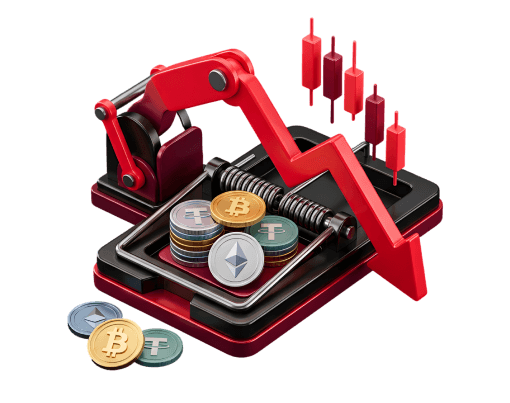
Intraday Trading Basics
Day trading involves opening and closing positions within the exact same trading session. Market behaviour dictates short-term price movements, requiring participants to rely heavily on timing and an efficient trading platform. Before committing capital, market participants often utilise paper trading to test their chosen strategy in a simulated environment. Developing solid trading techniques and adhering to trading practices built around strict risk management separates consistent market participants from those treating the exchange like a casino. Traders rely on intraday trading indicators and actionable intraday trading tips to navigate rapid price action.
All intraday positions are automatically squared off by the broker if not closed before the market session officially ends.
Discipline remains the absolute foundation of short-term execution. Adhering to a pre-defined set of rules ensures that temporary market noise does not trigger impulsive financial decisions.

Intraday Trading Indicators and Analysis
Objective decision-making relies heavily on technical analysis. Professionals conduct extensive pre-market analysis before the opening bell to identify historical support and resistance levels. Identifying a precise entry and exit point depends on tracking volume and interpreting charts and patterns across various timeframes. Popular intraday indicators include the RSI to measure momentum and Bollinger Bands to assess volatility limits. Moving averages help track trend direction, while VWAP serves as a baseline benchmark for average transaction prices throughout the session.
Measures the speed and change of price movements.
Weighs the current price by total trading volume.
Active participants often run a Trade-Ideas scanner to filter assets exhibiting specific technical criteria in real time. Processing this constant stream of data enables traders to locate optimal setups before the broader market reacts.
Intraday Trading Strategies
Market participants apply various methodologies to capture short-term price movements. Scalping focuses on profiting from minor price changes while managing the bid-ask spread closely. Another popular method is the opening range breakout (ORB), where participants watch for a clear breakout strategy to form immediately after the market opens. A gap and go trading strategy targets assets that experience a significant gap up at the open, riding the initial wave of buying pressure. Momentum trading captures strong directional moves.
- High number of daily trading opportunities
- Reduced market exposure time per trade
- Requires intense focus and fast execution
- Transaction costs can accumulate rapidly
A reversal trading strategy seeks to identify exactly when a trend is losing steam. Professionals also utilize a trend following approach, waiting for healthy pullbacks to enter positions based on specific candlestick patterns and breakout setups.
Risk Management and Stop-Loss
Protecting the trading account ensures long-term survival in unpredictable markets. Effective risk management dictates exactly how much capital per trade is allocated across the portfolio. Determining a strict position size prevents a single losing trade from wiping out days of accumulated gains. Every execution requires a defined profit target and a hard stop loss to cap downside exposure. Calculating the risk-reward ratio helps evaluate whether the potential upside justifies the assumed risk per trade.
| Risk per Trade | Capital at Risk | Account Impact |
| 1 Percent | Conservative | High Survivability |
| 5 Percent | Aggressive | High Drawdown Risk |
Setting the proper stop-loss distance often involves referencing technical levels or momentum tools like the MACD to avoid getting stopped out by normal market noise. Maintaining an accurate stop-loss level directly impacts the overall hit-rate/success-rate of a system. Comprehensive trade planning removes ambiguity entirely when prices move against an open position.
Stock Selection for Intraday Trading
Preparing for the active session starts long before the opening bell. Proper stock list preparation involves filtering the broader market for highly specific characteristics. Identifying liquid stocks with high trading volume ensures that orders fill quickly without massive price slippage. Average daily volume acts as a primary filter to separate heavily traded assets from highly illiquid ones. Market participants constantly monitor sector trends and individual assets gaining news traction to find clear catalysts for movement.
Liquidity Filters
Assets must demonstrate sufficient daily trading volume to allow for rapid entry and exit without causing significant price slippage.
Volatility provides the exact price action necessary for intraday setups to develop naturally. Many avoid penny stocks due to extreme unpredictability, focusing instead on mid to large-cap equities. Proper technical analysis requires sufficient price movement, making asset selection just as impactful as precise position sizing and general diversification.
Trade Planning and Discipline
A well-defined trading strategy eliminates guesswork entirely during live market hours. Executing an early position requires analyzing trend strength and anticipating market behaviour based strictly on pre-market data. Traders rely on their established risk management system to dictate every entry and exit point. Navigating minor price fluctuations demands active monitoring and strict adherence to a predetermined stop loss level. Emotional reactions to sudden price movements often derail a previously sound plan.
Planning the trade and trading the plan removes the burden of making emotional decisions during periods of high volatility.
Disciplined participants trust their technical analysis and execute trades mechanically. The session concludes successfully when participants square off the intraday positions entirely, ensuring no overnight risk remains on the books to surprise them the following morning.
Trading Psychology and Emotional Control
Managing the mental aspect of market participation presents a steep learning curve. The constant cycle of greed and fear often pushes individuals toward overtrading or deviating entirely from established intraday trading strategies. Watching minor price fluctuations tick by can easily trigger impulsive emotional decisions. Maintaining strict emotional control requires perfectly aligning position sizes with an individual's personal risk appetite. The core mechanics of profit booking should remain objective, executing at predetermined levels regardless of the current price behaviour.
Executing too many trades in a single session rapidly accumulates commission fees and exposes the account to unnecessary market noise.
Whether employing a complex reversal strategy or simply riding momentum, timing and discipline dictate overall long-term viability. A robust approach to risk management and a clear understanding of market volatility help insulate the trader from daily psychological fatigue.
Frequently asked questions
-
What happens if I forget to close my intraday position?
Most brokerage platforms run automated risk systems that will force-close all open intraday positions a few minutes before the official market session ends. -
How much capital is needed to start day trading?
Capital requirements vary significantly by jurisdiction and chosen broker. Many platforms require specific minimum balances to comply with pattern day trader regulations. -
Are day trading returns guaranteed?
Returns are never guaranteed in financial markets. Constant market volatility presents significant risks, and participants can rapidly lose a substantial portion of their invested capital. -
What are the main fees associated with short-term trading?
Participants typically face standard broker commissions, bid-ask spread costs, and potential regulatory transaction fees on every single execution, which accumulate rapidly. -
Why do day traders avoid holding positions overnight?
Closing positions completely before the market closes eliminates exposure to unpredictable overnight news events and volatile opening price gaps the following morning.
Crypto guides
Beginner-frendly
Beginner Guide to Trading in India Understand financial markets, manage risks, and learn platform mechanics step-by-step.
 Oliver Grant
|
Oliver Grant
|
How to Learn Online Trading A foundational guide to understanding financial markets, platforms, and risk management mechanics.
 Farouk Ahmed
|
Farouk Ahmed
|
Understanding Financial Trading Mechanics An objective examination of market operations, systemic risks, and how returns are theoretically generated.
 Alexey Morozov
|
Alexey Morozov
|

Our website uses cookies. Our Cookie Policy