


Understanding Extended and After-Hours Trading
A comprehensive breakdown of pre-market sessions, ECN matching systems, and out-of-hours volume dynamics.
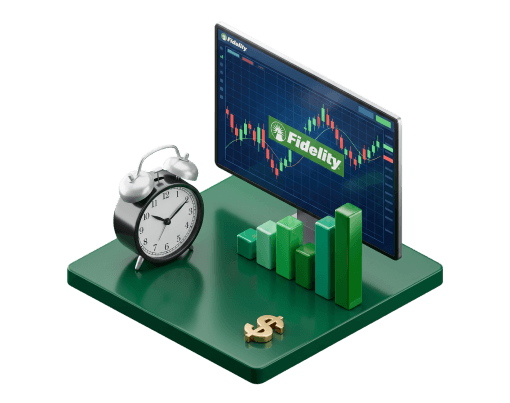
Defining the Boundaries of the Trading Day
Financial markets historically operated within strict timeframes, limiting activity to a physical bell ring. Electronic matching systems altered this dynamic, allowing participants to exchange securities outside the market’s standard trading window. Extended-hours trading encompasses both pre-market and after-hours sessions. Institutional investors once dominated these periods due to significant liquidity constraints, but modern infrastructure now grants retail investors equal access. Activity during these periods usually revolves around major corporate news or earnings reports that drop when primary exchanges are closed. Traders develop a specific trading strategy to navigate the resulting volatility across different trading sessions.
The evolution of electronic matching engines shifted out-of-hours volume from purely institutional block trades to accessible retail flow.

How Electronic Communication Networks Operate
Regular exchanges centralise volume during the regular trading schedule. When the closing bell rings, operational dynamics shift entirely to electronic communication networks (ecns). These automated systems match buy and sell orders directly, bypassing traditional market makers. Understanding extended hours us equities requires acknowledging the limited availability of securities and different fee structures. Because fewer market participants are active, bid-ask spreads often widen significantly. Immediate response to news or events dictates price action, shifting historical correlations entirely.
Order Execution Limitations
Standard market orders are generally rejected by matching engines outside standard hours; participants are typically forced to route strict limit orders.
Mapping the Timelines of Out-of-Hours Activity
The daily trading cycle breaks down into distinct, highly regulated phases. Pre-market trading typically begins several hours before the primary exchanges officially open, setting the initial tone for the upcoming day. Post-market trading immediately follows the official close and captures the market reaction to late earnings releases and vital macroeconomic events. Extended hours stocks often experience sudden, sharp adjustments as institutional participants digest fresh data. Beyond traditional equities, some platforms also facilitate weekend trading for specific derivative instruments like cfds and spread bets. Understanding these specific timelines helps participants align their schedules with periods of concentrated volume.
| Session Phase | Typical Hours (EST) | Primary Focus |
| Pre-Market | 04:00 - 09:30 | Macro data, overnight news |
| Standard | 09:30 - 16:00 | Peak volume and liquidity |
| Post-Market | 16:00 - 20:00 | Earnings reports, corporate actions |
Evaluating Advantages and Disadvantages
Participating in extended market hours offers distinct opportunities alongside notable, structural drawbacks. The primary advantage is the ability to react instantly to real-time events without waiting for the morning bell. This early access helps participants execute complex hedging techniques against sudden overnight price fluctuations. Some brokers even allow fractional shares in cfd trading during these irregular windows, broadening access. Conversely, the environment remains inherently unpredictable for all market participants. Reduced volume fundamentally alters the typical flow of spread betting and standard equity matching, shifting the balance of supply and demand unpredictably.
- Immediate reaction to breaking news
- Expanded timeframes for execution
- Ability to hedge overnight exposure
- Severe liquidity reduction
- Erratic price behaviour
- Execution is never guaranteed
Identifying the Risks of Thin Markets
Trading outside the standard window introduces intense, structural variables that alter execution dynamics. Lower liquidity is the primary catalyst for rapid price movements and highly unpredictable market behaviours. When major company earnings reports hit the wire, vastly reduced trading volume inevitably exacerbates severe price gaps. This dynamic directly translates to much wider bid-ask spreads and noticeably slower order execution for retail flow. Because these specific sessions operate under entirely different rules and regulations, participants consistently face increased volatility. Breaking news announcements can easily cause an asset to jump substantially in mere seconds, catching unprepared participants off guard.
Fewer active participants lead to thinner order books.
Market makers demand higher premiums for execution.
Small orders can trigger significant price swings.
Analysing Methodologies and Execution Tactics
Market participants adapt their routines to account for out-of-hours mechanics. News-based trading is the most prominent approach, as institutional desks position themselves around scheduled announcements. Breakout traders watch for consolidation periods just before a major news announcement, anticipating a sudden expansion in volatility levels. Historical performance matters less during these hours than the immediate forward guidance provided by corporate executives. Momentum trading requires strict discipline here, relying heavily on tight risk management strategies to prevent catastrophic losses caused by immediate directional shifts.
Most electronic networks require strict limit orders outside standard hours to protect participants from extreme slippage and unfillable market executions.
The Infrastructure Required for Access
Accessing these sessions depends entirely on the chosen brokerage and their underlying technology. Modern platforms seamlessly integrate extended-hours trading into their core interfaces, exposing ECN books directly to the user. Participants often test a specific trading method using a demo environment before committing real capital. Understanding how to place stop-loss orders and execute spread bets or cfds correctly is a primary risk management strategy. Whether initiating an out-of-hours trade to capture momentum or to hedge risk, familiarity with the software routing logic is paramount.
- Verify the underlying broker routing protocols
- Check session-specific margin requirements
- Confirm supported asset classes for ECN matching
Frequently asked questions
-
What is an Electronic Communication Network (ECN)?
An ECN is an automated system that matches buy and sell orders for securities directly outside of traditional exchange hours, bypassing standard market makers. -
Why do bid-ask spreads widen during after-hours sessions?
Spreads widen primarily due to lower liquidity. With fewer market participants actively buying and selling, the gap between the highest price a buyer is willing to pay and the lowest price a seller will accept naturally increases. -
Can market orders be used in pre-market trading?
Most brokerages and ECNs reject standard market orders outside normal hours to protect participants from severe price slippage, requiring the use of limit orders instead. -
Are price gaps common during extended hours?
Yes, price gaps occur frequently. When significant corporate news or earnings reports are released while primary exchanges are closed, the price can jump instantly to a new level without trading at the prices in between. -
Do all brokerages offer extended-hours access?
Not all brokerages provide this feature. Access depends on the firm's technological infrastructure and their direct agreements with specific Electronic Communication Networks.
Crypto guides
Beginner-frendly
The Informational Guide to Trading Mechanics Understand the foundational concepts, systems, and structures that drive global financial markets
 Farouk Ahmed
|
Farouk Ahmed
|
Intraday Trading Mechanics Analyzing the technical execution, risk parameters, and software infrastructure behind daily market operations.
 Alexey Morozov
|
Alexey Morozov
|
How to Put Day Trading Profits Under an EIN An objective breakdown of transitioning from retail market participation to operating a structured commercial entity.
 Oliver Grant
|
Oliver Grant
|

Our website uses cookies. Our Cookie Policy