Convert
HKD to LPT Instantly
Hong Kong Dollar to Livepeer (ERC20) at the real-time exchange rate


Purchase LPT (ERC20) with Hong Kong Dollar (HKD) easily at Switchere and benefit from fast, secure transactions.
About
LPT (ERC20)
Converting Hong Kong Dollars (HKD) into Livepeer (LPT) requires a reliable fiat on-ramp to bridge traditional finance with decentralized video streaming infrastructure. Livepeer operates as a network built on Ethereum, aiming to reduce video transcoding costs. When using an HKD to LPT converter, the exchange rate reflects real-time market liquidity, the inherent volatility of the cryptocurrency, and the stability of the HKD pegged to the US Dollar.
To buy Livepeer with HKD, users in Hong Kong typically rely on local banking methods like the Faster Payment System (FPS) or wire transfers, alongside standard credit and debit cards. Since regulatory frameworks demand strict KYC/AML compliance, verified accounts are essential for secure transactions. Once the conversion clears, you will need an Ethereum-compatible wallet to receive your tokens, as LPT is an ERC-20 token. Keep in mind that transferring LPT involves Ethereum network gas fees and block confirmation times, which can fluctuate. Monitoring the LPT to HKD rate ensures you optimize your entry into the decentralized web3 streaming ecosystem, whether you are a node operator or a delegator participating in the network.

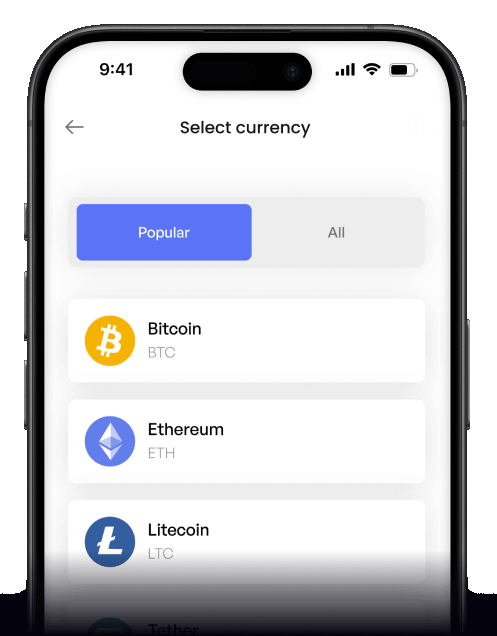
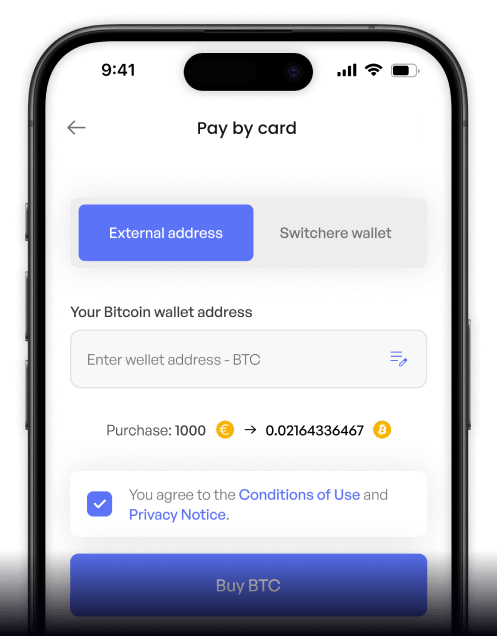
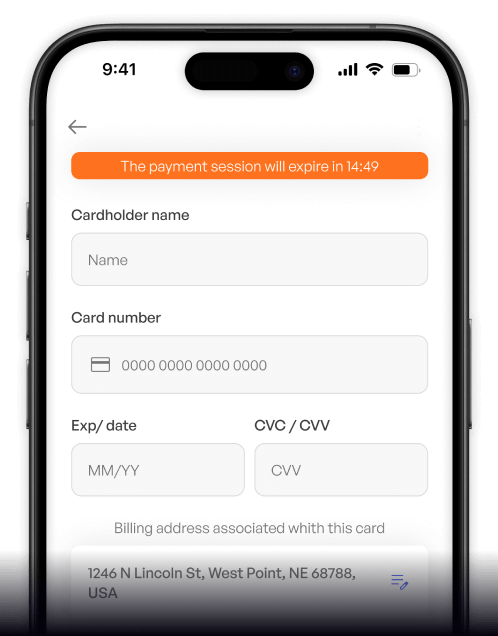
How to Buy LPT (ERC20)
 Step-by-step guidance
 Easy credit card payments
 Streamlined purchase process
 Web
Popular Coins for Hong Kong Dollar (HKD)


Other Coins for Hong Kong Dollar (HKD)


Frequently asked questions
-
What does the HKD/LPT trading pair represent for the Web3 infrastructure?
The HKD/LPT pair is a direct fiat on-ramp allowing users to purchase Livepeer's native token (LPT) using Hong Kong Dollars. Its significance lies in providing access for Hong Kong-based users to participate in the Livepeer protocol, a decentralized video streaming network built on Ethereum. This allows them to acquire this digital asset to become delegators or orchestrators, contributing to Web3's video transcoding infrastructure. -
What are the typical steps to purchase LPT with HKD on a cryptocurrency exchange?
To buy LPT with HKD, first select a regulated cryptocurrency exchange that lists the HKD/LPT pair. You'll need to complete the platform's KYC/AML compliance checks. Next, deposit HKD into your exchange account, often via bank transfer or Hong Kong's Faster Payment System (FPS). Finally, navigate to the trading interface, place a buy order for LPT in the order book, and once executed, consider moving your LPT to a secure, self-custody digital wallet. -
What is the function of the LPT token within the Livepeer protocol?
LPT is an ERC-20 token on the Ethereum network that coordinates and secures the Livepeer network. Its primary function is for staking. Token holders can stake their LPT to become 'Orchestrators' who perform video transcoding, or they can delegate their LPT to an Orchestrator. This staking mechanism ensures Orchestrators act honestly, securing the decentralized video streaming service and allowing stakers to earn fees. -
What fees are involved in a HKD to LPT blockchain transaction?
There are several potential fees. First, depositing HKD may incur a fee from your bank or payment provider. Second, the cryptocurrency exchange will charge a trading fee (maker/taker fee) for executing the HKD/LPT trade. Third, if you withdraw your LPT to a private digital wallet, you must pay an Ethereum network gas fee. This gas fee is variable and is paid to miners/validators for processing the blockchain transaction. -
How does the Livepeer network secure its decentralized video transcoding service?
Livepeer secures its network through a system of crypto-economic incentives. 'Orchestrators' stake LPT as a bond to ensure they perform transcoding work correctly. If they act maliciously or fail to perform, their staked LPT can be 'slashed' (forfeited). 'Delegators' also stake their LPT with Orchestrators they trust, increasing the security bond. This model, combining staking and delegation, creates a strong economic guarantee for reliable and honest video processing across the distributed media servers.

Buy on the go
Anywhere. Anytime.
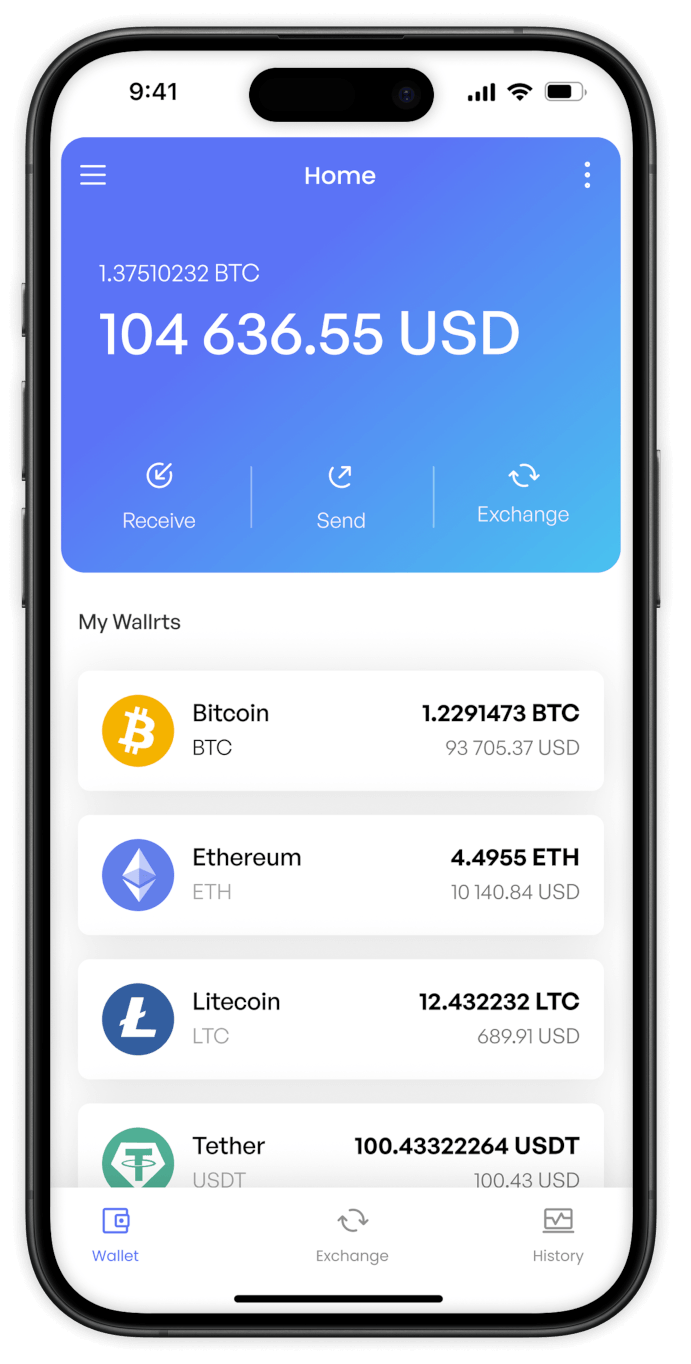
Buy crypto with your credit card from anywhere. Live rates, transparent fees, and 3D Secure on every order - the full Switchere card-buy experience in your pocket.



Scan to download the app iOS and Android