Convert
HKD to JASMY Instantly
Hong Kong Dollar to JasmyCoin (ERC20) at the real-time exchange rate


Purchase JASMY (ERC20) with Hong Kong Dollar (HKD) easily at Switchere and benefit from fast, secure transactions.
About
JASMY (ERC20)
Tracking the JASMY to HKD rate is essential for Hong Kong residents looking to engage with Japan's pioneering IoT and data democratization ecosystem. The exchange rate between the Hong Kong Dollar and JasmyCoin is shaped by the liquidity of local Asian fiat on-ramps, global cryptocurrency market volatility, and the inherent demand for decentralized data solutions.
When using an HKD to JASMY converter, it is important to consider the infrastructure facilitating the trade. Purchasing JASMY often involves funding accounts via Faster Payment System (FPS), local bank transfers, or credit cards, which requires adherence to standard KYC and AML protocols. Because JasmyCoin operates primarily as an ERC-20 token on the Ethereum blockchain, converting your HKD into this digital asset means you must account for Ethereum network fees, or gas, which fluctuate based on network congestion. Transaction confirmation times will also depend on these blockchain conditions.
Ultimately, to buy JASMY with HKD is to bridge traditional Hong Kong finance with the evolving Web3 data economy. By monitoring the real-time fiat-to-crypto market dynamics, users can optimize their entry points and securely transfer tokens to compatible non-custodial wallets.

How to Buy JASMY (ERC20)
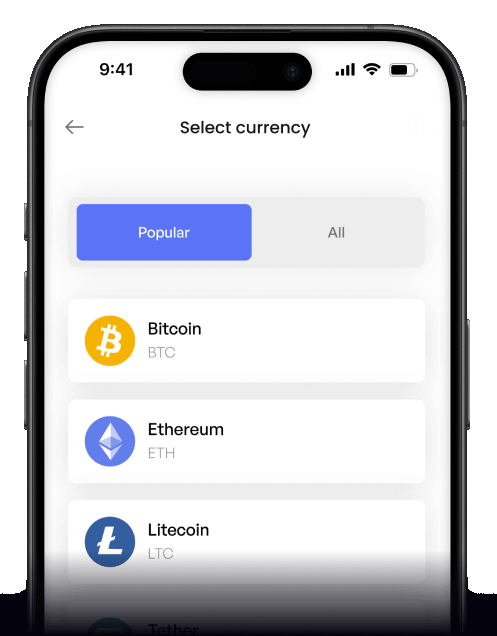
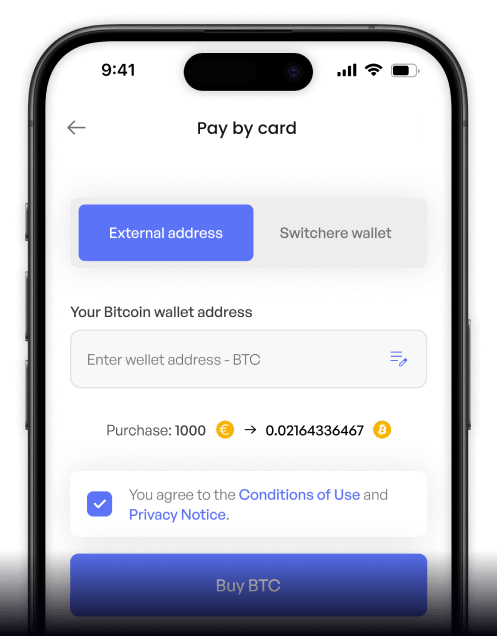
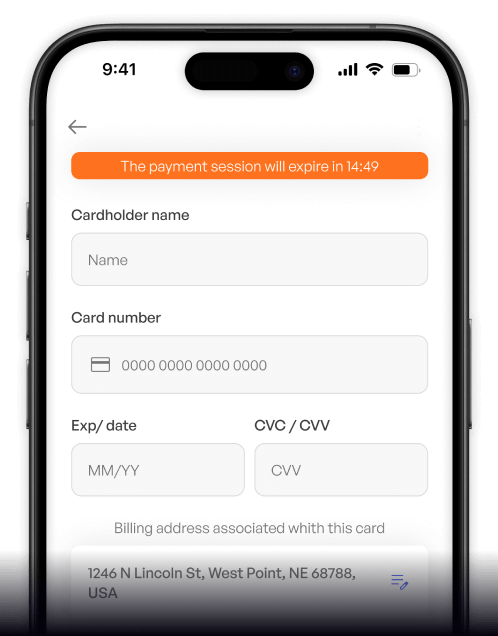
 Step-by-step guidance
 Easy credit card payments
 Streamlined purchase process
 Web
Popular Coins for Hong Kong Dollar (HKD)


Other Coins for Hong Kong Dollar (HKD)


Frequently asked questions
-
What does the HKD/JASMY trading pair represent in the digital asset market?
The HKD/JASMY pair represents a direct fiat on-ramp, indicating the exchange rate between the Hong Kong Dollar (HKD) and JasmyCoin (JASMY). It allows users to purchase JASMY, an ERC-20 token focused on creating an IoT data marketplace and ensuring 'data democracy', directly with HKD. This pairing is crucial for traders in Hong Kong looking for direct exposure to Jasmy's ecosystem without intermediate currency conversions. -
What are the common methods to purchase JASMY using HKD on a cryptocurrency exchange?
To purchase JASMY with HKD, you typically need to use a regulated virtual asset trading platform (VATP) that lists the pair. The process involves completing KYC/AML compliance, then funding your account with HKD via methods like the Faster Payment System (FPS) or a traditional bank transfer. Once funded, you can place an order for JASMY on the HKD/JASMY order book. -
What is the technical significance of JasmyCoin (JASMY) being an ERC-20 token for traders?
As an ERC-20 token, JasmyCoin operates on the Ethereum blockchain. This means it benefits from Ethereum's security and network effects. For traders, it signifies that JASMY can be stored in any Ethereum-compatible digital wallet (like MetaMask or hardware wallets), can be tracked on Ethereum block explorers, and any withdrawal from an exchange will incur an Ethereum network 'gas fee' for the blockchain transaction. -
Are there specific regulatory considerations for trading HKD/JASMY in Hong Kong?
Yes, traders in Hong Kong must use a Virtual Asset Trading Platform (VATP) licensed by the Securities and Futures Commission (SFC). These platforms enforce strict KYC/AML (Know Your Customer/Anti-Money Laundering) procedures. This regulatory framework is designed to protect investors and ensure market integrity, so choosing an SFC-licensed exchange is paramount for secure and compliant trading of the HKD/JASMY pair. -
How does JasmyCoin's 'Data Democracy' concept relate to its value proposition?
JasmyCoin's core value proposition is built on 'Data Democracy', the idea of returning data sovereignty to individuals. Through its technology, like the Secure Knowledge Communicator (SKC) and Personal Data Locker (PDL), it aims to create a secure IoT platform where users can control and monetize their own data. The JASMY token is the utility token used for transactions within this data marketplace, creating its fundamental demand.

Buy on the go
Anywhere. Anytime.
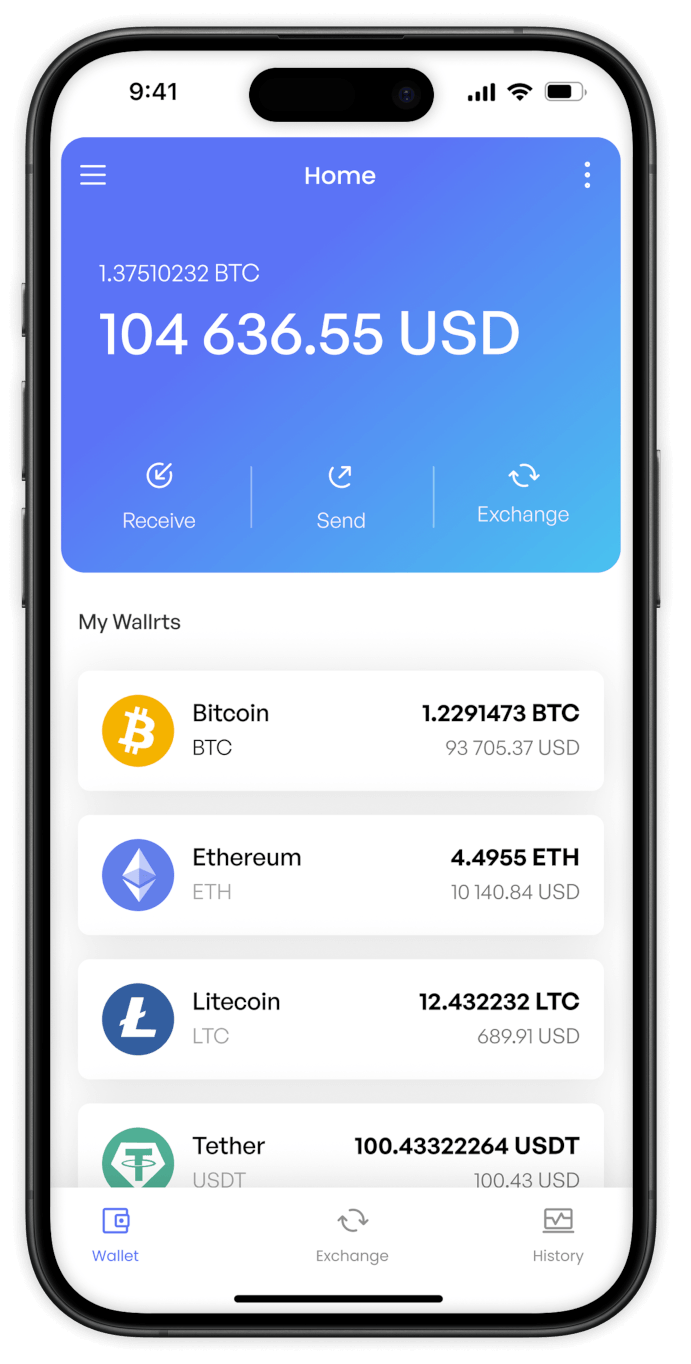
Buy crypto with your credit card from anywhere. Live rates, transparent fees, and 3D Secure on every order - the full Switchere card-buy experience in your pocket.



Scan to download the app iOS and Android