Convert
DOP to CELR Instantly
Dominican Peso to Celer Network (ERC20) at the real-time exchange rate


Purchase CELR (ERC20) with Dominican Peso (DOP) easily at Switchere and benefit from fast, secure transactions.
About
CELR (ERC20)
For individuals and investors in the Dominican Republic looking to bridge fiat and layer-2 blockchain solutions, understanding the DOP to CELR exchange rate is crucial. This specific conversion rate reflects the current market value of Celer Network's native token against the Dominican Peso, influenced by local fiat liquidity and the broader cryptocurrency market volatility. A reliable DOP to CELR converter helps users navigate these fluctuations in real-time.
When you want to buy CELR with DOP, the process typically involves a fiat on-ramp supporting local payment methods. Dominican users often utilize credit or debit cards, international wire transfers, or digital wallets to fund their accounts, adhering to standard KYC/AML protocols. Since Celer Network focuses on layer-2 scaling and interoperability, CELR tokens are often acquired as ERC-20 or BEP-20 assets. Consequently, users must ensure their receiving wallet address matches the correct network standard to avoid losing funds.
The final CELR to DOP rate you receive when converting back to fiat will account for platform spreads, exchange fees, and underlying blockchain network fees (gas). Whether accessing decentralized applications or participating in state channels, this pair provides Dominican residents a direct gateway into advanced blockchain ecosystems.

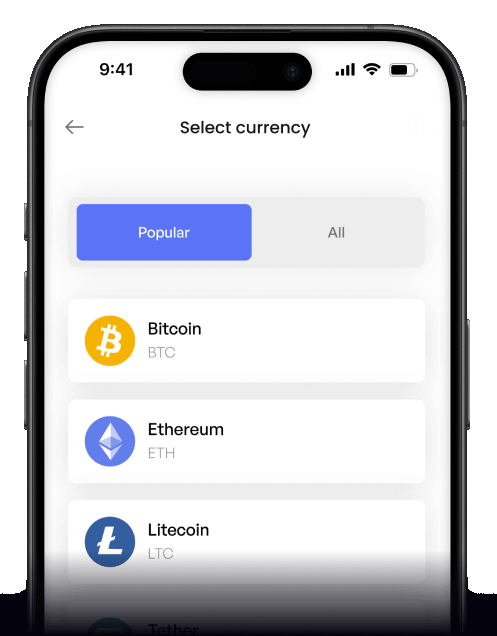
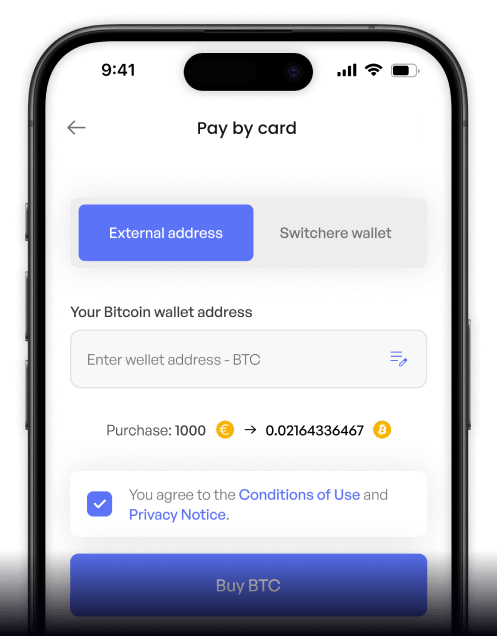
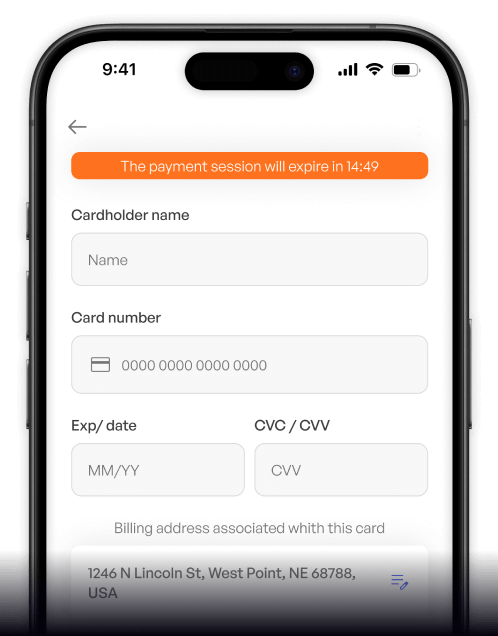
How to Buy CELR (ERC20)
 Step-by-step guidance
 Easy credit card payments
 Streamlined purchase process
 Web
Popular Coins for Dominican Peso (DOP)


Other Coins for Dominican Peso (DOP)


Frequently asked questions
-
What is the primary method for trading Data Ownership Protocol (DOP) with Celer Network (CELR)?
The primary method for trading DOP with CELR is through a token swap on a decentralized exchange (DEX). This process involves connecting a non-custodial digital wallet to a DEX that has a DOP/CELR liquidity pool. The trade is executed via a smart contract, allowing users to directly swap DOP tokens, which leverage zero-knowledge proofs for data privacy, for CELR tokens, known for their role in Celer's layer-2 scaling and cross-chain messaging framework. -
What distinct blockchain technologies do DOP and CELR represent in a trade?
In a DOP/CELR trade, you are interacting with two different blockchain technology verticals. The Data Ownership Protocol (DOP) focuses on on-chain data privacy, enabling users to have selective disclosure over their transactions and assets using zk-SNARKs. Celer Network (CELR), on the other hand, is a leader in blockchain interoperability and layer-2 scaling, providing infrastructure like cBridge and the Celer Inter-chain Messaging (IM) framework to facilitate fast, low-cost cross-chain transactions. -
Are network fees a major consideration when swapping DOP for CELR on a DEX?
Yes, network fees (or 'gas fees') are a crucial consideration. The cost of a DOP/CELR swap is determined by the blockchain network on which the DEX operates (e.g., Ethereum, BNB Chain). While Celer's own technology, like its State Guardian Network (SGN), is designed for efficiency, a simple token swap on a third-party DEX is subject to that network's prevailing gas fees and congestion. Always check the estimated transaction cost in your wallet before confirming the swap. -
How can Celer's cBridge potentially interact with DOP assets?
If the Data Ownership Protocol deploys its DOP token on multiple blockchain networks, Celer's cBridge could be used to facilitate cross-chain transfers of DOP. This would allow users to move their DOP assets between different chains (e.g., from Ethereum to Polygon) quickly and with low transaction fees, enhancing the token's utility and accessibility across the broader DeFi ecosystem without compromising the core principles of the State Guardian Network's security. -
What is the strategic value of holding both DOP and CELR in a digital asset portfolio?
Holding both DOP and CELR offers exposure to two critical and complementary sectors of blockchain innovation. DOP provides exposure to the growing narrative of data privacy and user-controlled data, utilizing zero-knowledge proofs. CELR provides exposure to the foundational layer of interoperability and scaling, which is essential for the entire Web3 ecosystem to function efficiently. Together, they represent a diversified approach, covering both application-level privacy and infrastructure-level connectivity.

Buy on the go
Anywhere. Anytime.
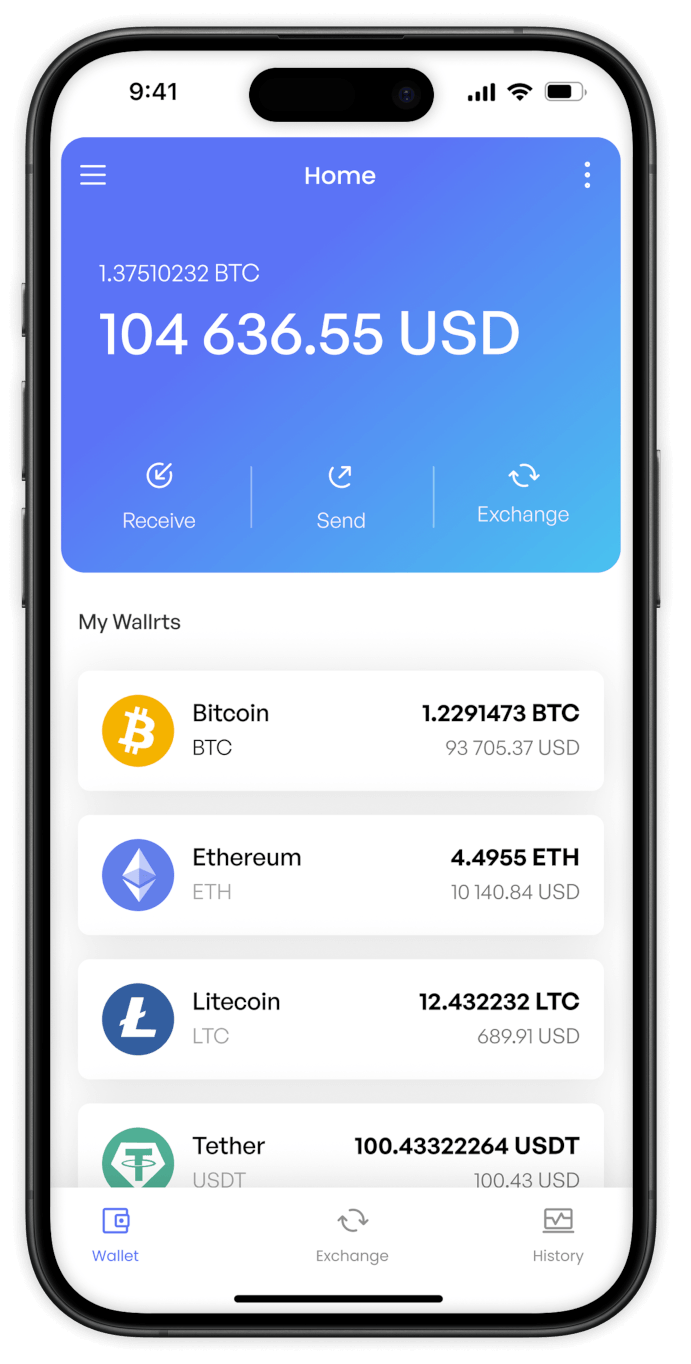
Buy crypto with your credit card from anywhere. Live rates, transparent fees, and 3D Secure on every order - the full Switchere card-buy experience in your pocket.



Scan to download the app iOS and Android