


- Startpagina
- Omvormer
- Vietnamese Dong (VND) naar eCash (XEC)

Converteer
Vietnamese Dong (VND) naar eCash (XEC) direct


Koop eCash (XEC) met Vietnamese Dong (VND) gemakkelijk bij Switchere en profiteer van snelle, veilige transacties.
Over
eCash (XEC)
eCash (XEC) is ontworpen om te functioneren als een zeer efficiënt peer-to-peer elektronisch geldsysteem, ontworpen voor snelle en goedkope wereldwijde transacties. eCash, een fork van Bitcoin Cash (BCH), richt zich op het verbeteren van schaalbaarheid en bruikbaarheid en streeft ernaar een betrouwbaar ruilmiddel te zijn voor alledaagse handel. De kern van het technologische onderscheid ligt in de integratie van het Avalanche-consensusprotocol als een snelle finaliteitslaag (met name pre-consensus en post-consensus mechanismen) bovenop de onderliggende proof-of-work blockchain. Deze hybride aanpak verbetert de bevestigingstijden van transacties aanzienlijk en streeft naar bijna onmiddellijke vereffening, terwijl de robuuste cryptografische veiligheid die inherent is aan de van Bitcoin afgeleide digitale grootboektechnologie behouden blijft.
De inheemse utility token, XEC, wordt voornamelijk gebruikt voor het faciliteren van deze economische on-chain betalingen binnen het gedecentraliseerde netwerk. Een uniek kenmerk is de basiseenheid, "bits", die gebruikersinteractie met kleinere coupures vereenvoudigt, in lijn met het doel voor microtransacties. Naast betalingen omvatten de tokenomics van eCash ook plannen voor het inzetten van beloningen via zijn Avalanche-implementatie, waardoor netwerkdeelname wordt gestimuleerd. Bovendien werkt eCash actief aan de ontwikkeling van EVM-compatibiliteit (Ethereum Virtual Machine) en zijn eigen "eToken"-standaard, die de inzet van slimme contracten mogelijk maakt en een breder ecosysteem van DeFi-toepassingen bevordert. Dit positioneert eCash als een potentieel veelzijdige Web3-infrastructuur, die ernaar streeft de kloof te overbruggen tussen een puur op betaling gericht digitaal activum en een platform dat in staat is complexe gedecentraliseerde financiële oplossingen en de uitgifte van aangepaste tokens te ondersteunen.

Hoe eCash (XEC) kopen
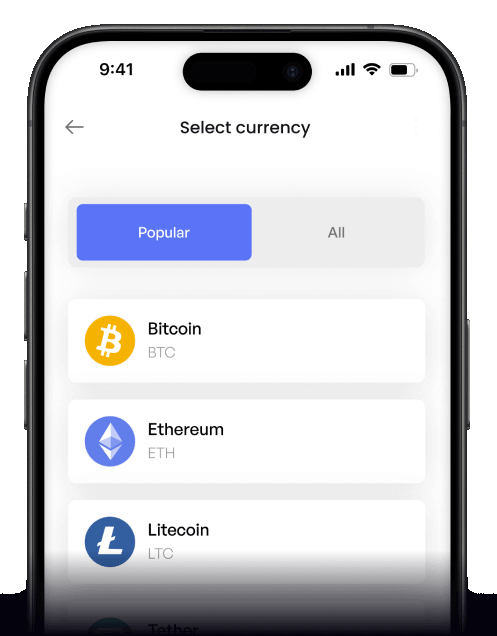
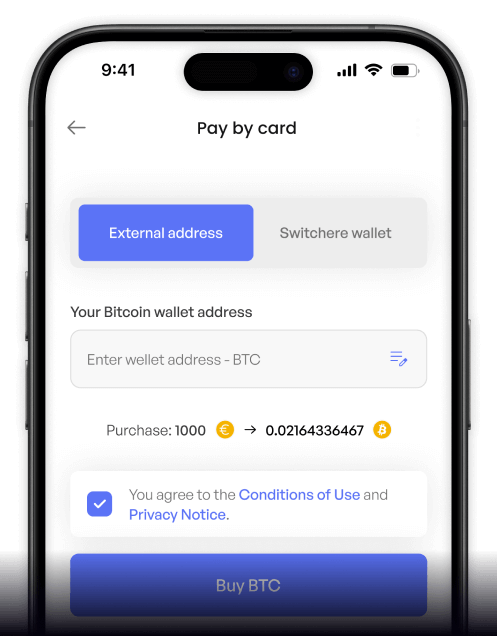
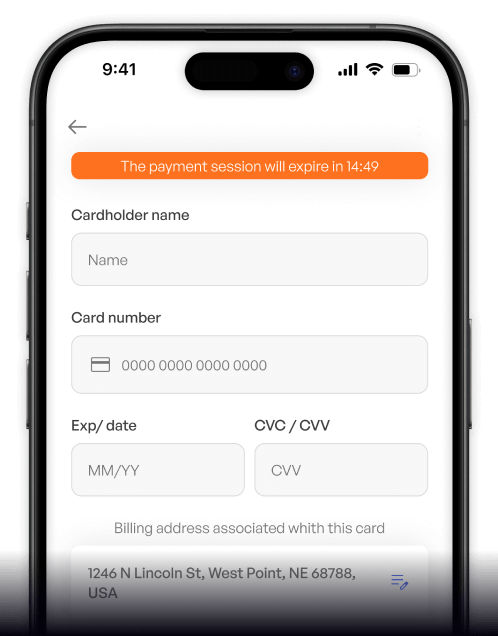
 Stapsgewijze begeleiding
 Eenvoudige creditcardbetalingen
 Gestroomlijnd aankoopproces
 Web
Web
Populaire munten voor Vietnamese Dong (VND)





Andere munten voor Vietnamese Dong (VND)





Veelgestelde vragen
-
Hoe kan ik eCash (XEC) kopen met Vietnamese Dong (VND) via een fiat on-ramp?
Om eCash (XEC) met VND te kopen, gebruikt u meestal een cryptocurrency-beurs die lokale Vietnamese betaalmethoden ondersteunt. Populaire VND fiat-gateways accepteren vaak bankoverschrijvingen (via Napas), e-wallets zoals MoMo of peer-to-peer (P2P) handelsplatformen. Na het voltooien van de standaard KYC/AML-nalevingscontroles, kunt u VND storten en een transactie voor XEC uitvoeren in het orderboek. -
Wat is de onderliggende technologie van eCash (XEC) die het geschikt maakt voor VND microtransacties?
eCash (voorheen Bitcoin Cash ABC of BCHA) integreert het Avalanche-consensusalgoritme bovenop zijn Proof-of-Work basis. Deze hybride benadering vermindert de finaliteitstijden van transacties aanzienlijk, waardoor bijna onmiddellijke blokbevestigingen mogelijk zijn. Gecombineerd met een basiseenheid uitgedrukt in 'bits' en extreem lage netwerkkosten, is de XEC-blockchain sterk geoptimaliseerd voor snelle, dagelijkse microtransacties. -
Zijn er specifieke digitale wallets die worden aanbevolen voor het opslaan van XEC gekocht met VND?
Ja, na het uitvoeren van uw VND/XEC-transactie op een beurs, is het een veiligheidsmaatregel om uw digitale activa op te nemen naar een non-custodial wallet. Wallets die het eCash-netwerk ondersteunen, zoals Cashtab of Electrum ABC, zijn ideaal. Deze digitale wallets stellen u in staat om uw privésleutels veilig te beheren en naadloos te communiceren met eCash-functies zoals CashFusion voor verbeterde transactionele privacy. -
Hoe beïnvloeden handelsvolume en liquiditeit de wisselkoers van VND naar eCash (XEC)?
Liquiditeit speelt een cruciale rol bij het ruilen van fiatvaluta's zoals VND voor digitale activa. Een hoog handelsvolume op een platform zorgt voor krappere bid-ask spreads, wat betekent dat u een nauwkeurigere marktprijs voor XEC krijgt. Als een direct VND/XEC-paar onvoldoende liquiditeit heeft, gebruiken gebruikers vaak een intermediaire stablecoin zoals USDT; ze kopen USDT via P2P met een VND-bankoverschrijving en verhandelen vervolgens het USDT/XEC-paar op de spotmarkt. -
Kan ik de eCash (XEC) die ik met VND heb gekocht staken om netwerkbeloningen te verdienen?
In tegenstelling tot pure Proof-of-Stake (PoS) netwerken, gebruikt eCash een unieke hybride van Proof-of-Work en Avalanche-consensus. Hoewel traditioneel staken voor blokproductie niet het primaire mechanisme is voor reguliere houders, stelt de integratie van Avalanche node-operators in staat om deel te nemen aan de consensus. Echter, particuliere gebruikers die op zoek zijn naar rendement verkennen over het algemeen gedecentraliseerde financiële (DeFi) platforms, aangezien native XEC staking-opties beperkt zijn.

Onderweg kopen
Overal. Altijd.
Koop overal crypto met je creditcard. Actuele koersen, transparante kosten en 3D Secure bij elke bestelling – de volledige Switchere-ervaring voor het kopen met een creditcard, altijd bij de hand.



Scan de QR-code om de app te downloaden voor iOS en Android

