


Convert
Vietnamese Dong (VND) to USDC (Polygon) Instantly


Purchase USDC (Polygon) with Vietnamese Dong (VND) easily at Switchere and benefit from fast, secure transactions.
About
USDC (Polygon)
USD Coin (USDC) operating on the Polygon network represents a critical fiat-collateralized stablecoin, designed to provide price stability by maintaining a 1:1 peg with the US dollar, while leveraging the efficiency of Polygon's Layer 2 scaling solution. Its primary purpose is to offer a reliable, transparent digital dollar that facilitates low-cost and high-speed transactions within Polygon's rapidly expanding decentralized finance (DeFi) ecosystem. Each USDC token is backed by one U.S. dollar held in reserves, managed by the Centre consortium (founded by Circle and Coinbase), with regular attestations ensuring transparency and redeemability, crucial for a trusted digital asset.
Technologically, USDC on Polygon utilizes the network’s Proof-of-Stake (PoS) consensus mechanism and its EVM-compatible architecture. This enables seamless integration into a vast array of Polygon-based dApps, providing significantly reduced gas fees and faster transaction settlement compared to Ethereum mainnet operations. Originally an ERC-20 token, USDC is bridged onto the Polygon PoS chain, where it functions as a native digital asset. Its utility is extensive, serving as a vital medium of exchange, a stable unit of account, and a reliable store of value. Prominent use cases include liquidity provision in DeFi protocols, collateral for lending and borrowing, efficient payment rails, and a common trading pair on decentralized exchanges (DEXs). USDC's robust presence on Polygon enhances liquidity, interoperability, and is a foundational element for Web3 infrastructure development on this scalable blockchain technology.
How to Buy USDC (Polygon)
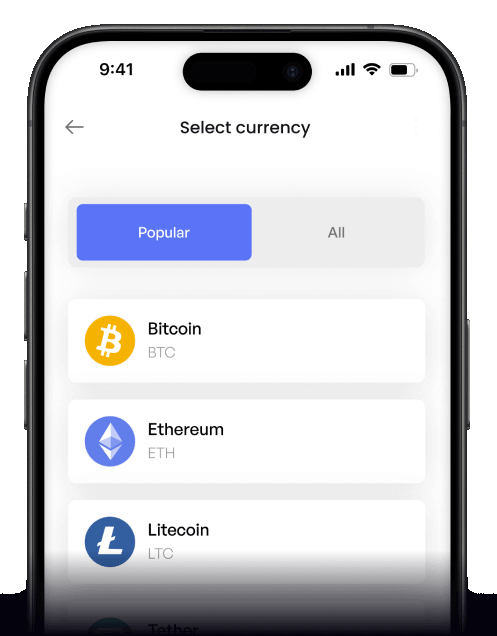
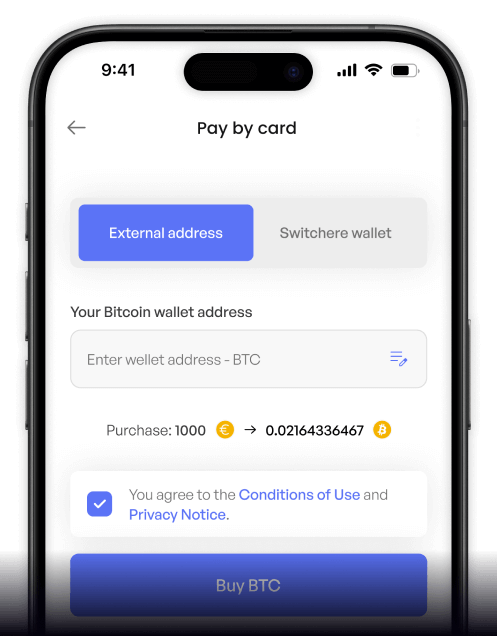
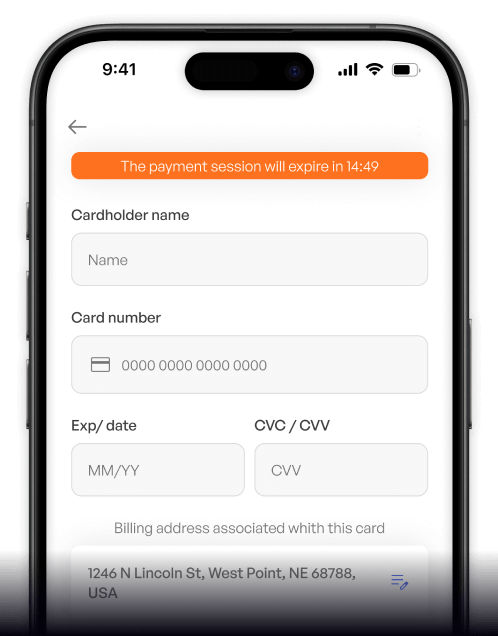
 Step-by-step guidance
 Easy credit card payments
 Streamlined purchase process
 Web
Web
Popular Coins for Vietnamese Dong (VND)




Other Coins for Vietnamese Dong (VND)




Frequently asked questions
-
What is the VND to USDC (Polygon) trading pair, and why is it popular for digital asset purchases?
The VND/USDC (Polygon) pair represents the exchange rate between the Vietnamese Dong and USD Coin minted on the Polygon PoS chain. Using VND as a fiat on-ramp to acquire Polygon-based USDC is highly popular because it provides direct access to a low-gas, high-speed Layer-2 scaling solution. USDC maintains a 1:1 stablecoin peg to the US Dollar, offering volatility protection, while the Polygon network ensures fast finality and minimal transaction costs for interacting with decentralized applications (dApps) and the broader DeFi ecosystem. -
What are the most common fiat gateways to buy Polygon USDC using Vietnamese Dong (VND)?
To exchange VND for USDC on Polygon, traders typically use peer-to-peer (P2P) cryptocurrency exchanges or localized fiat gateways. These platforms often support popular Vietnamese payment methods like Napas 24/7 bank transfers, MoMo, ZaloPay, and ViettelPay. Once you complete the KYC/AML compliance process on a regulated exchange, you can securely trade your local fiat currency for this ERC-20 standard stablecoin and withdraw it directly to your Web3 digital wallet via the Polygon network. -
Should I be aware of the difference between native USDC and bridged USDC.e when using a VND fiat on-ramp?
Yes, distinguishing between native USDC and bridged USDC (often denoted as USDC.e) is a critical technical consideration. Circle now issues native USDC directly on the Polygon network, which is the official fiat-backed stablecoin reserve asset. When buying USDC with VND on a digital asset exchange, verify which version the platform supports for withdrawal. Native USDC ensures seamless smart contract automation and liquidity across modern Polygon DeFi protocols without relying on third-party bridge smart contracts. -
What fee structures and transaction times should I expect when converting VND to Polygon USDC?
When converting VND to Polygon USDC via a local P2P market or fiat gateway, the exchange rate typically includes a small maker/taker spread. The actual fiat transfer using domestic banking networks like Napas 24/7 is usually instantaneous. Once the crypto is released, transferring the USDC to your self-custodial digital wallet on the Polygon PoS chain incurs a network gas fee paid in POL (formerly MATIC). Fortunately, Polygon's Layer-2 architecture ensures this gas fee is negligible—often fractions of a cent—with block finality achieved in seconds. -
Why choose the Polygon network for holding USDC instead of the Ethereum mainnet when transacting in VND?
Bypassing the Ethereum mainnet to acquire Polygon USDC directly via a VND fiat gateway significantly optimizes capital efficiency. The Ethereum Virtual Machine (EVM) compatible Polygon network offers a scalable infrastructure where smart contract interactions cost significantly less in gas fees (Gwei). This makes micro-transactions, yield farming, and participating in decentralized finance highly accessible for Vietnamese retail traders and institutional liquidity providers who want to maintain stable, USD-pegged purchasing power without high overhead costs.

Buy on the go
Anywhere. Anytime.
Buy crypto with your credit card from anywhere. Live rates, transparent fees, and 3D Secure on every order - the full Switchere card-buy experience in your pocket.



Scan to download the app iOS and Android

