


Convert
Vietnamese Dong (VND) to Basic Attention Token (BAT) Instantly


Purchase Basic Attention Token (BAT) with Vietnamese Dong (VND) easily at Switchere and benefit from fast, secure transactions.
About
Basic Attention Token (BAT)
Basic Attention Token (BAT) is a digital advertising token built on the Ethereum blockchain, designed to revolutionize the digital advertising landscape through its integration with the privacy-focused Brave browser. The project aims to solve inefficiencies and privacy concerns prevalent in traditional online advertising by fairly rewarding users for their attention, while offering advertisers better returns and publishers a more equitable revenue share. BAT creates a transparent and decentralized advertising exchange, leveraging blockchain technology to connect advertisers, publishers, and users directly. This system improves ad targeting efficacy through on-device machine learning without compromising user data, a key differentiator from conventional ad platforms.
The core technology involves the Brave browser, which blocks invasive ads and trackers by default. Users who opt-in to view privacy-respecting Brave Ads are compensated with BAT tokens. These tokens can then be used to tip content creators and publishers, access premium content, or be exchanged for other digital assets. For advertisers, BAT serves as the payment currency for ad campaigns, ensuring their budget is spent on verified user attention. As an ERC-20 utility token, BAT’s tokenomics are central to its ecosystem, facilitating a novel attention-based economy. It represents a significant effort to establish a more ethical and efficient model for digital advertising within the burgeoning Web3 infrastructure, making the advertising experience less intrusive and more rewarding for all participants.

How to Buy Basic Attention Token (BAT)
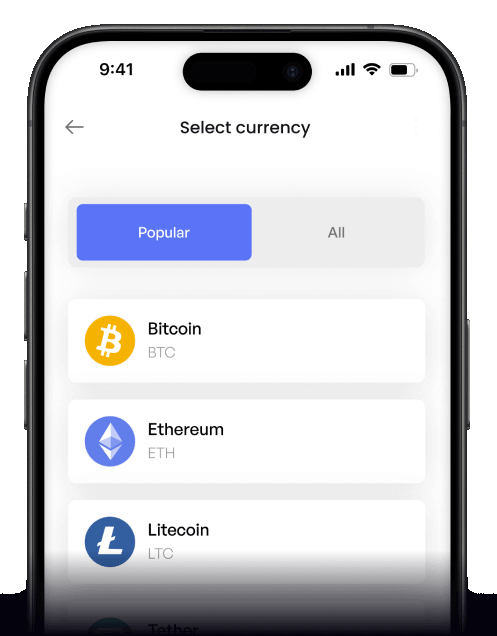
 Step-by-step guidance
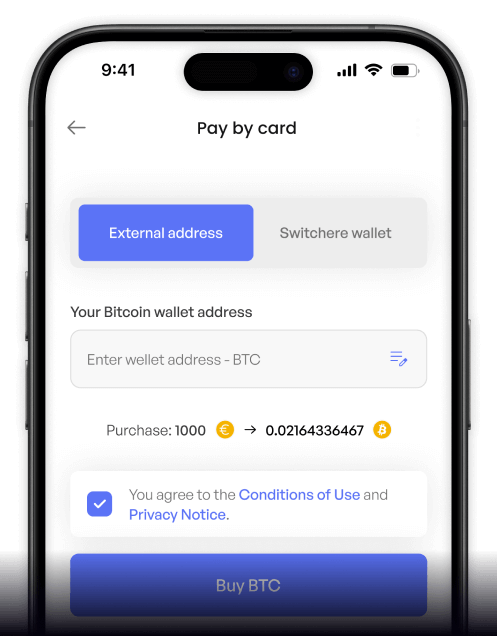
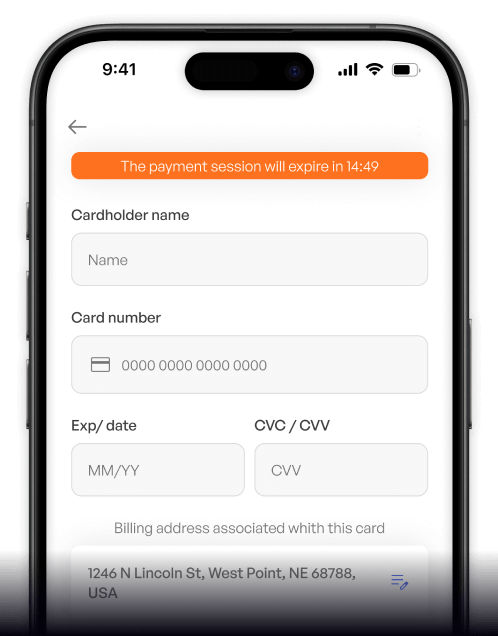
 Easy credit card payments
 Streamlined purchase process
 Web
Web
Popular Coins for Vietnamese Dong (VND)




Other Coins for Vietnamese Dong (VND)




Frequently asked questions
-
What is the most common way to buy Basic Attention Token (BAT) with Vietnamese Dong (VND)?
Direct VND/BAT trading pairs are uncommon. The typical method involves using a Vietnamese-friendly cryptocurrency exchange to buy a stablecoin like USDT with VND via bank transfer. You then transfer this stablecoin to a global exchange that lists BAT and execute a trade from the stablecoin to BAT. This process acts as a fiat on-ramp into the broader digital asset market. -
What is the primary function of BAT tokens within the Brave browser ecosystem?
BAT, an ERC-20 token on the Ethereum blockchain, is the unit of account in a new digital advertising system. Within the Brave browser, users can earn BAT through the Brave Rewards program for viewing privacy-respecting ads. They can then use these tokens to tip content creators directly, access premium content, or redeem them, fundamentally changing the economics of user attention. -
Are there specific security measures for storing BAT tokens purchased with fiat?
Yes. Since BAT is an ERC-20 token, it can be stored in any Ethereum-compatible digital wallet. For maximum security, use a hardware wallet (like Ledger or Trezor) which keeps your private keys offline. For frequent use, a non-custodial software wallet like MetaMask is a good option. Always avoid leaving significant amounts on a centralized exchange to mitigate counterparty risk and ensure you have full control over your digital assets. -
What fees should I anticipate when converting VND to BAT?
The process involves multiple steps, each with potential fees. Expect a fee for depositing VND on a local exchange, a trading fee for the VND-to-stablecoin transaction, a network fee for transferring the stablecoin, another trading fee on the global exchange for the stablecoin-to-BAT trade, and finally, an Ethereum network (gas) fee for withdrawing your BAT to a private digital wallet. -
What KYC/AML compliance should I expect when using VND for a crypto purchase?
When using a centralized fiat on-ramp exchange that accepts Vietnamese Dong, you will almost certainly need to complete a Know Your Customer (KYC) and Anti-Money Laundering (AML) verification process. This typically requires submitting a government-issued ID, proof of address, and sometimes a selfie for verification. This is a standard security procedure for regulated digital asset platforms to prevent illicit activities.

Buy on the go
Anywhere. Anytime.
Buy crypto with your credit card from anywhere. Live rates, transparent fees, and 3D Secure on every order - the full Switchere card-buy experience in your pocket.



Scan to download the app iOS and Android

