


Convert
Vietnamese Dong (VND) to Pepe (PEPE) Instantly


Purchase Pepe (PEPE) with Vietnamese Dong (VND) easily at Switchere and benefit from fast, secure transactions.
About
Pepe (PEPE)
Pepe (PEPE) emerged as a prominent digital asset within the Web3 infrastructure, fundamentally categorizing itself as a memecoin inspired by the internet culture phenomenon of Pepe the Frog. Unlike utility-driven DeFi applications or layer-1 smart contract platforms, PEPE was launched with the primary purpose of capitalizing on community-driven momentum and decentralized network sentiment. It operates purely as a cultural token rather than aiming to solve complex cryptographic security or decentralized finance challenges.
From a technical standpoint, PEPE is an ERC-20 token built securely on the Ethereum blockchain. This strategic choice ensures compatibility with a vast ecosystem of decentralized exchanges, Web3 wallets, and broader on-chain infrastructure. A key distinguishing feature of its tokenomics is a strict no-tax policy, meaning users do not incur hidden fees during transactions. Additionally, the smart contract incorporates a deflationary burn mechanism, where a small percentage of tokens is permanently removed from the circulating supply over time, aiming to maintain scarcity.
While lacking traditional utility token functions like staking rewards or complex governance protocols, PEPE has firmly established itself as a leading memecoin in the cryptocurrency market. The native token functions primarily as a speculative digital asset and a medium of exchange within its dedicated community. Its rapid adoption highlights the significant role that internet culture and peer-to-peer social dynamics play in the modern blockchain ecosystem.

How to Buy Pepe (PEPE)
 Step-by-step guidance
 Easy credit card payments
 Streamlined purchase process
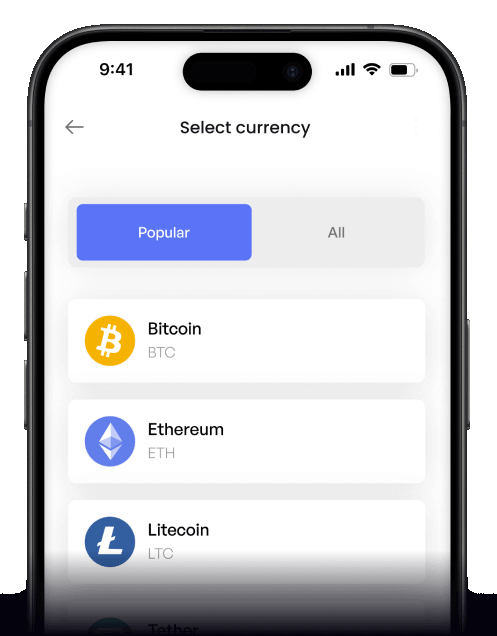
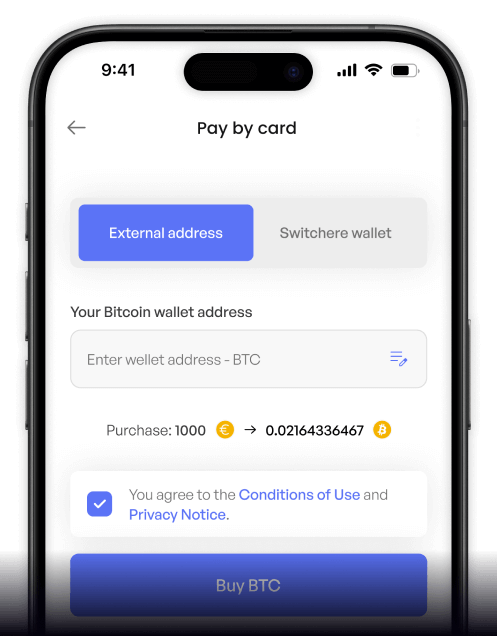
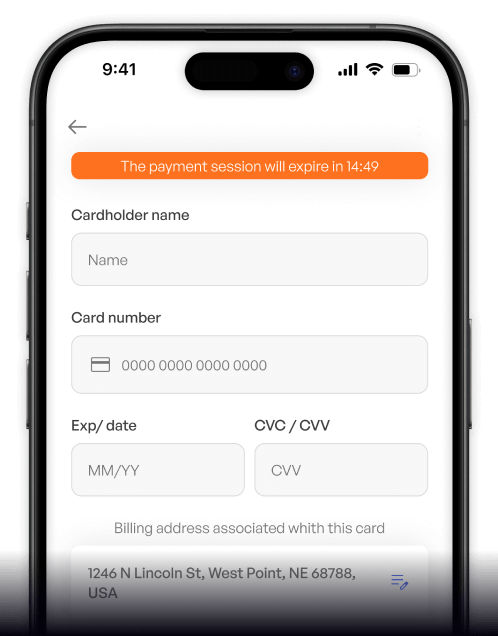
 Web
Web
Popular Coins for Vietnamese Dong (VND)





Other Coins for Vietnamese Dong (VND)





Frequently asked questions
-
How can I buy Pepe (PEPE) with Vietnamese Dong (VND)?
To purchase this ERC-20 meme coin using VND, you can utilize a cryptocurrency exchange that supports a VND fiat on-ramp. Popular methods in Vietnam include P2P (Peer-to-Peer) trading platforms where you can use local payment methods like Napas bank transfers, MoMo, or ZaloPay to buy a stablecoin like USDT first, and then trade it for PEPE on the spot market order book. -
What is the most cost-effective way to fund a VND to PEPE transaction?
P2P trading is generally the most cost-effective fiat gateway for Vietnamese users. By utilizing a direct bank transfer via the Napas network, you often avoid high credit card transaction fees. Once your digital wallet is funded with a base asset, you can swap it for PEPE, keeping in mind the Ethereum network gas fees associated with ERC-20 token transfers. -
Do I need to complete KYC to trade the VND/PEPE pair?
Yes, strict KYC/AML compliance is required by all reputable centralized exchanges operating as VND fiat gateways. You will need to verify your identity using a Vietnamese National ID or passport before executing a digital asset purchase or participating in high-volume P2P trading to acquire PEPE tokens. -
Where should I store my PEPE tokens after purchasing them with VND?
After executing your VND to PEPE trade, it is a security best practice to move your assets off the exchange order book and into a secure non-custodial digital wallet. Since PEPE operates on the Ethereum blockchain, any ERC-20 compatible hardware wallet or Web3 software wallet will safely store your meme coin holdings and grant you full control over your private keys. -
What technical aspects of PEPE should I consider before trading?
While known primarily as a deflationary meme coin, PEPE utilizes a specific tokenomics structure that includes a burn mechanism to maintain scarcity and a no-tax policy on transactions. Because it is an ERC-20 standard token, your transaction processing times and on-chain transfer fees will be directly dependent on the current congestion and Gwei rates of the Ethereum mainnet.

Buy on the go
Anywhere. Anytime.
Buy crypto with your credit card from anywhere. Live rates, transparent fees, and 3D Secure on every order - the full Switchere card-buy experience in your pocket.



Scan to download the app iOS and Android

