


Converter
Czech Koruna (CZK) em Celer Network (CELR) instantaneamente


Compre Celer Network (CELR) com Czech Koruna (CZK) facilmente na Switchere e beneficie-se de transações rápidas e seguras.
Sobre
Celer Network (CELR)
A Celer Network (CELR) é uma plataforma avançada de escalonamento de camada 2 projetada para permitir aplicativos de blockchain rápidos, seguros e de baixo custo, com o objetivo de aprimorar a usabilidade e a escalabilidade de ecossistemas descentralizados. O projeto aborda principalmente as limitações inerentes às blockchains de camada básica, como altas taxas de transação e baixo rendimento, facilitando o processamento de transações fora da cadeia. A pilha de tecnologia central do Celer apresenta sua rede de canais de estado generalizado, juntamente com a estrutura Celer Inter-chain Message (IM), que capacita os desenvolvedores a criar dApps nativos entre cadeias com utilização eficiente de liquidez, lógica de aplicativo coerente e estados compartilhados em várias tecnologias de blockchain. Essa estrutura sustenta produtos como o cBridge, permitindo transferências de ativos e comunicação entre cadeias sem interrupções.
O token CELR nativo é parte integrante da operação e da tokenômica da rede. Ele serve como um token utilitário principalmente para staking na State Guardian Network (SGN), uma blockchain de prova de staking (PoS) especializada que fornece segurança, resolução de disputas e conectividade para as soluções de escalonamento off-chain da Celer. Os detentores de CELR também podem participar da mineração de liquidez para a cBridge e potencialmente se envolver na governança da rede. A Celer Network se posiciona como uma peça vital da infraestrutura Web3, oferecendo uma solução sofisticada para obter aplicativos dApps e DeFi interoperáveis e de alto desempenho, contribuindo significativamente para um cenário de ativos digitais mais escalável e interconectado sem comprometer a segurança criptográfica.

Como comprar Celer Network (CELR)
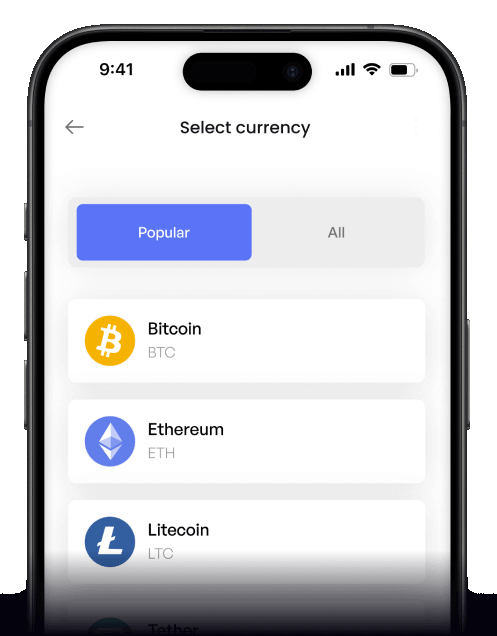
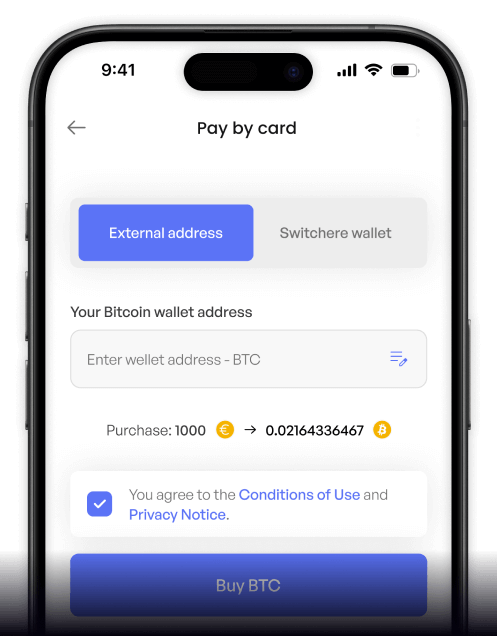
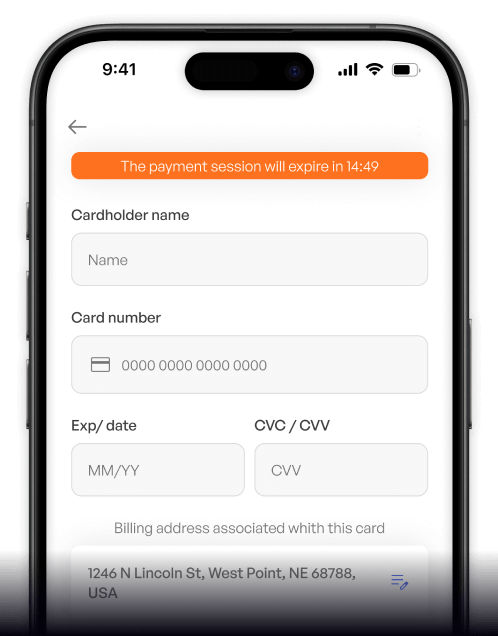
 Orientação passo a passo
 Pagamentos fáceis com cartão de crédito
 Processo de compra simplificado
 Web
Web
Moedas populares para Czech Koruna (CZK)





Outras moedas para Czech Koruna (CZK)





Perguntas frequentes
-
O que o par de negociação CZK/CELR representa e qual a sua importância?
O par CZK/CELR é uma rampa de entrada fiduciária que permite comprar o ativo digital nativo da Celer Network, CELR, usando Coroa Tcheca (CZK). Sua importância reside em fornecer acesso direto para investidores tchecos ao ecossistema de escalonamento de Camada-2 da Celer, projetado para permitir transações off-chain rápidas, fáceis e seguras para pagamentos e contratos inteligentes off-chain generalizados. -
Quais são os métodos de pagamento típicos para comprar CELR com Coroa Tcheca em uma exchange de criptomoedas?
Ao usar um gateway fiduciário CZK, as opções de pagamento comuns incluem transferências bancárias diretas em CZK, pagamentos com cartão de débito ou crédito e, às vezes, provedores de pagamento de terceiros. As exchanges que suportam este par exigirão conformidade com KYC/AML. As transferências bancárias são frequentemente preferidas para valores maiores devido a taxas mais baixas, enquanto os pagamentos com cartão oferecem processamento mais rápido para a sua compra de ativos digitais. -
O que é a estrutura Celer Inter-chain Message (IM) e como ela se relaciona com o valor do CELR?
A estrutura Celer Inter-chain Message (IM) é uma tecnologia central que permite que dApps obtenham capacidades de comunicação entre cadeias. Isso permite uma interação perfeita entre diferentes blockchains. O valor do token CELR está intrinsecamente ligado a isso, pois o CELR é apostado na State Guardian Network (SGN) para proteger este protocolo de mensagens, e as taxas de transação para usar o Celer IM são pagas aos stakers da SGN, criando utilidade e demanda pelo token. -
Existem taxas de rede específicas, além das taxas da exchange, a serem consideradas ao transferir meu CELR comprado?
Sim. O CELR é principalmente um token ERC-20 na blockchain Ethereum, mas também existe em outras cadeias como a BNB Smart Chain (BEP-20). Ao sacar CELR de uma exchange para uma carteira digital privada, você terá que pagar uma taxa de transação da rede, ou 'taxa de gás'. O custo dessa taxa depende da blockchain para a qual você está sacando e do congestionamento da rede naquele momento. As taxas de gás do Ethereum são normalmente mais altas do que as da BNB Smart Chain. -
Como posso armazenar com segurança meus tokens CELR após comprá-los com CZK?
Para segurança ideal, recomenda-se mover seus tokens CELR da exchange para uma carteira digital pessoal onde você controla as chaves privadas. Para holding de longo prazo, uma carteira de hardware (armazenamento a frio) oferece o mais alto nível de segurança contra ameaças online. Para uso mais frequente, uma carteira de software não custodial de boa reputação (carteira quente) que suporte tokens ERC-20 ou BEP-20 é uma opção adequada. Nunca compartilhe suas chaves privadas ou frase semente.

Compre em qualquer lugar
Em qualquer lugar. A qualquer hora.
Compre criptomoedas com seu cartão de crédito de qualquer lugar. Taxas em tempo real, tarifas transparentes e 3D Secure em todos os pedidos — toda a experiência de compra com cartão da Switchere no seu bolso.



Digitalize o código para baixar o aplicativo para iOS e Android

