Purchase Chromia (CHR) with Czech Koruna (CZK) easily at Switchere and benefit from fast, secure transactions.
Chromia (CHR) is a relational blockchain platform designed to enable a new generation of decentralized applications (dApps) by addressing the scalability, data handling, and developer experience challenges prevalent in earlier blockchain infrastructures. Unlike traditional smart contract platforms that use a virtual machine, Chromia integrates the security of a blockchain with the flexibility and efficiency of a relational database. This unique architecture, built on the Postchain framework, allows for more complex data structures and queries to be managed directly on-chain, making it a highly suitable Web3 infrastructure for data-intensive applications like enterprise systems, social media, and advanced gaming.
The core of Chromia's innovation lies in its custom programming language, Rell, which is designed to be highly secure and easy for developers familiar with SQL to learn. This focus on a developer-friendly environment aims to accelerate the creation of sophisticated dApps. The network operates on a Byzantine Fault Tolerance (BFT) consensus mechanism, with dApps running on their own dedicated sidechains, ensuring high throughput and low latency. The native utility token, CHR, is central to the ecosystem's tokenomics. It is used by dApps to pay for hosting fees, staked by node providers to guarantee security, and acts as a standard currency within the Chromia digital asset economy.
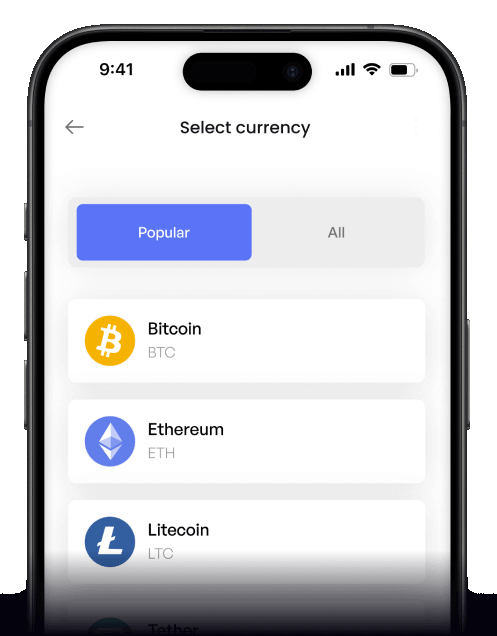
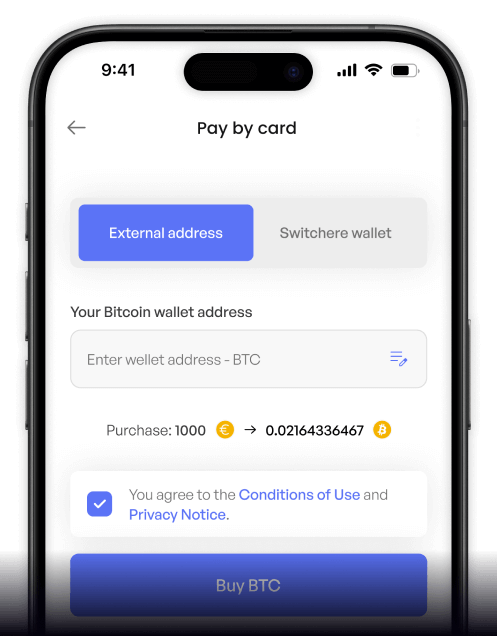
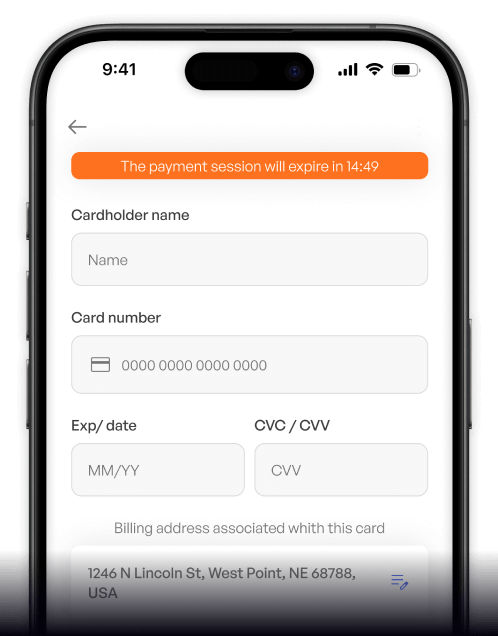
The most direct method to buy Chromia (CHR) with Czech Koruna (CZK) is through a centralized cryptocurrency exchange that offers a direct CZK/CHR trading pair or a CZK fiat on-ramp. Users typically need to complete KYC/AML compliance, then deposit CZK via a SEPA transfer or a Czech bank transfer. Once funded, you can place an order on the exchange's order book to convert your fiat to this digital asset.
When converting CZK to CHR, expect several potential fees. First, a deposit fee might apply to your CZK bank transfer. Second, the cryptocurrency exchange will charge a trading fee (either a maker or taker fee) based on your trading volume. Finally, when you move your CHR off the exchange to a private digital wallet, you will incur a network withdrawal fee. Always review the fee schedule of the platform before executing a trade.
The FT4 token standard is a powerful feature of the Chromia blockchain, as it natively supports both fungible (like currency) and non-fungible tokens (NFTs) within a single, flexible framework. Unlike standards such as ERC-20 or ERC-721 which are separate, FT4 allows for more complex and efficient digital asset creation directly on the relational blockchain. This is particularly beneficial for gaming dApps that require intricate item and economy management, leveraging the Chromia Originals NFT protocol.
Chromia's relational blockchain architecture is a significant feature because it structures data much like a traditional relational database, making it highly efficient and flexible for complex decentralized applications (dApps), especially in gaming and enterprise solutions. This model, powered by the Rell programming language, allows developers to build and query dApps with greater ease compared to other Layer-1 platforms, potentially increasing the utility and demand for the CHR token.
Staking CHR tokens after your digital asset purchase is a core function within the Chromia ecosystem. By staking, you help secure the network by delegating your tokens to provider nodes. In return for contributing to the network's stability and operations, stakers earn rewards, typically paid out in CHR. This process requires transferring your CHR from an exchange to a compatible digital wallet that supports staking.
For secure trading and management of your CHR, always use a reputable exchange with strong security protocols. After purchasing, it is highly recommended to move your CHR from the exchange to a personal digital wallet where you control the private keys. For significant holdings, a hardware wallet offers the best protection. Always enable two-factor authentication (2FA) on your exchange account and be vigilant against phishing scams targeting your wallet credentials.