


Convert
Colombian peso (COP) to Uniswap (UNI) Instantly


Purchase Uniswap (UNI) with Colombian peso (COP) easily at Switchere and benefit from fast, secure transactions.
About
Uniswap (UNI)
Uniswap (UNI) stands as a pioneering decentralized exchange (DEX) protocol built on the Ethereum blockchain, designed to facilitate automated, permissionless token swaps. Its core innovation lies in the Automated Market Maker (AMM) model, which replaces traditional order books with liquidity pools. Users, known as liquidity providers, deposit pairs of digital assets into these pools, enabling peer-to-peer trading based on a constant product formula. This on-chain system allows for the seamless exchange of ERC-20 tokens without intermediaries, significantly enhancing accessibility within the DeFi ecosystem.
The platform has evolved through multiple versions, with Uniswap V3 introducing groundbreaking features like concentrated liquidity, allowing liquidity providers to allocate capital within custom price ranges, thereby increasing capital efficiency. The native UNI token primarily serves as a governance token, granting holders voting rights on key protocol decisions, upgrades, and treasury allocations. This cryptographic security and community-driven governance model are central to its decentralized network ethos. Uniswap's robust smart contract architecture and significant liquidity have solidified its position as a foundational DeFi application, crucial for token discovery and liquidity provision across the broader Web3 infrastructure.

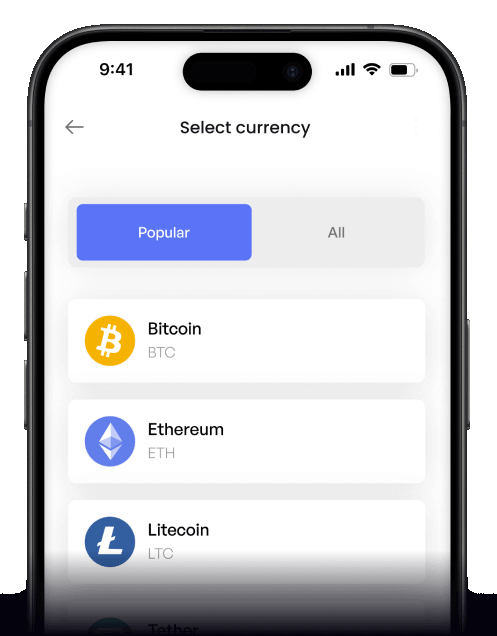
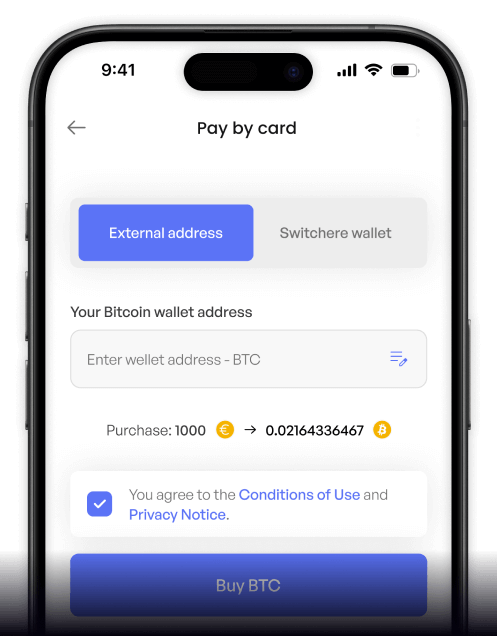
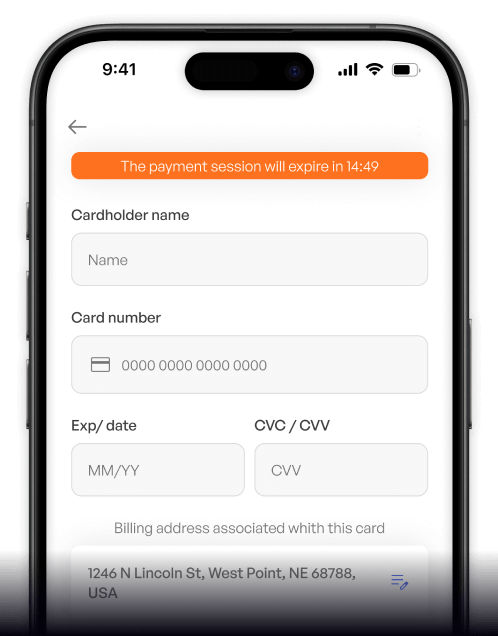
How to Buy Uniswap (UNI)
 Step-by-step guidance
 Easy credit card payments
 Streamlined purchase process
 Web
Web
Popular Coins for Colombian peso (COP)




Other Coins for Colombian peso (COP)




Frequently asked questions
-
What is the most common way to buy Uniswap (UNI) with Colombian Pesos (COP)?
Typically, there isn't a direct COP/UNI trading pair on major exchanges. The most common method is to use a local Colombian cryptocurrency exchange as a fiat on-ramp. Users deposit COP via PSE or bank transfer, buy a major cryptocurrency like BTC or a stablecoin like USDT, and then transfer that digital asset to a global exchange that lists UNI to perform the final trade. -
What is the function of the UNI token within the Uniswap Protocol ecosystem?
UNI is the native governance token of the Uniswap Protocol, a leading Automated Market Maker (AMM) on the Ethereum blockchain. Holding UNI grants users the right to vote on key protocol proposals, such as upgrades or changes to fee structures. It decentralizes control, allowing the community to guide the future development of this core piece of DeFi infrastructure for swapping ERC-20 tokens. -
What fees should I consider when converting COP to UNI?
The process involves several potential fees: 1) A deposit fee for your COP on the local exchange (e.g., via PSE). 2) A trading fee for the initial purchase of a base asset (like USDT). 3) A withdrawal fee to move that asset to another exchange. 4) A second trading fee for the final USDT/UNI swap. 5) If using a decentralized exchange (DEX) like Uniswap directly, you will also incur Ethereum network gas fees for the blockchain transaction, which can be variable. -
Why is it important to use a secure, self-custody digital wallet for UNI tokens?
Using a self-custody wallet (like a hardware wallet or a reputable mobile wallet) gives you full control over your private keys and, therefore, your UNI tokens. Leaving assets on a cryptocurrency exchange exposes you to risks like exchange hacks or freezes. With self-custody, you are solely responsible for securing your digital assets, which is a core principle of decentralization and crucial for interacting with the wider DeFi ecosystem. -
Can I buy UNI directly on a Decentralized Exchange (DEX) using a stablecoin purchased with COP?
Yes, this is a very common pathway. After using a Colombian fiat gateway to convert COP into a stablecoin like USDC or USDT and sending it to your self-custody wallet, you can connect that wallet to a DEX like the Uniswap Protocol. You can then perform a direct swap from the stablecoin to UNI, interacting directly with the liquidity pools via a smart contract. This method offers more decentralization but requires understanding gas fees.

Buy on the go
Anywhere. Anytime.
Buy crypto with your credit card from anywhere. Live rates, transparent fees, and 3D Secure on every order - the full Switchere card-buy experience in your pocket.



Scan to download the app iOS and Android

