


Il Mondo del Forex Trading: La Guida Completa per Iniziare
Un'analisi approfondita del più grande mercato finanziario globale, spiegato in modo semplice.
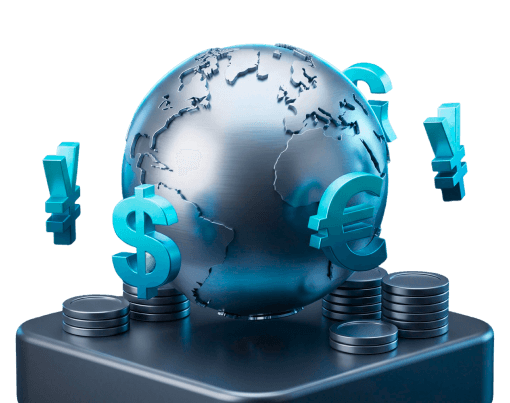
Introduzione al Mondo del Forex Trading
Il mercato Foreign Exchange, comunemente noto come Forex o FX, è il più grande e liquido mercato finanziario del mondo. A differenza di una borsa valori centralizzata, è un mercato globale decentralizzato dove le valute vengono scambiate. Pensa a quando viaggi all'estero e cambi la tua valuta locale con quella del paese che visiti: stai partecipando al mercato Forex. Su scala molto più ampia, le operazioni avvengono elettronicamente in un mercato over-the-counter (OTC), il che significa che non esiste una sede fisica. Ogni giorno vengono scambiati trilioni di dollari, alimentando il commercio internazionale, gli investimenti e il turismo. Il valore di una valuta rispetto a un'altra, noto come tasso di cambio (exchange rate), fluttua costantemente a causa di forze economiche, geopolitiche e di mercato. I trader operano su una currency pair, speculando sul fatto che il valore di una valuta aumenterà o diminuirà rispetto a un'altra.
Acquistate criptovalute in modo rapido, semplice e sicuro con Switchere!

Scansiona per scaricare l'app
La Struttura del Mercato Forex: Chi Sono i Partecipanti?
Il mercato Forex è una rete complessa con una gerarchia ben definita. Al vertice si trova l'interbank foreign exchange market, un network globale in cui le più grandi banche commerciali del mondo scambiano valute tra loro. Questi giganti finanziari, insieme alle principali central banks, determinano i tassi di cambio a cui tutti gli altri partecipanti fanno riferimento. Subito sotto si trovano gli institutional investors, come i fondi pensione, le società di gestione patrimoniale e gli hedge fund, che operano sul Forex per gestire i loro portafogli internazionali o per fini speculativi. Poi ci sono le grandi multinazionali che necessitano di valuta estera per le loro operazioni commerciali. Infine, troviamo i retail foreign exchange traders, ovvero gli investitori individuali che accedono al mercato tramite brokers. Questi intermediari agiscono come un ponte, offrendo piattaforme di trading e liquidità, spesso fornita da market makers, che sono pronti ad acquistare e vendere valute in ogni momento.
La Meccanica di una Transazione Forex
Ogni operazione nel Forex comporta l'acquisto simultaneo di una valuta e la vendita di un'altra. Questo è il motivo per cui le valute sono sempre quotate in coppie, o currency pair. La prima valuta della coppia è la base currency, mentre la seconda è la quote currency. Ad esempio, nella coppia EUR/USD, l'Euro è la valuta di base e il Dollaro americano è la valuta di quotazione. Il prezzo indicato, poniamo 1.0850, significa che ci vogliono 1.0850 dollari per acquistare un euro. Se un trader ritiene che l'euro si apprezzerà rispetto al dollaro, acquisterà la coppia EUR/USD. Se invece pensa che si deprezzerà, la venderà. I movimenti di prezzo sono misurati in pips, che rappresentano la più piccola variazione di valore. La differenza tra il prezzo di acquisto (ask) e quello di vendita (bid) è chiamata spread, che costituisce il costo della transazione. Le operazioni vengono eseguite in lotti standardizzati, noti come lot size, per uniformare le quantità scambiate.
Concetti Essenziali e Strumenti di Trading
Per operare nel mercato Forex, è fondamentale comprendere alcuni concetti chiave. La leva finanziaria (leverage) è uno strumento che consente ai trader di controllare una posizione di mercato più grande con un capitale relativamente piccolo. Il margine (margin) è il collaterale necessario per aprire e mantenere una posizione con leva. Sebbene la leva possa amplificare i potenziali profitti, aumenta anche esponenzialmente il rischio di perdite. Le coppie di valute si dividono in categorie: le major pairs includono il dollaro USA e sono le più scambiate (es. EUR/USD, GBP/USD); le minor pairs non includono il dollaro USA ma sono composte da altre valute principali (es. EUR/GBP); le exotic pairs abbinano una valuta principale a una di un'economia emergente (es. USD/TRY). Oltre al mercato spot tradizionale, esistono altri strumenti come i contratti a termine e i contracts for difference (CFDs), che permettono di speculare sui movimenti di prezzo senza possedere fisicamente l'asset sottostante.
La leva finanziaria permette di controllare una grande quantità di valuta con un piccolo investimento iniziale, chiamato margine. Sebbene amplifichi i potenziali guadagni, fa lo stesso con le perdite, che possono superare il capitale depositato. La sua gestione è un aspetto critico dell'operatività nel Forex.
I Fattori che Influenzano i Tassi di Cambio
I valori delle valute sono in costante movimento, influenzati da una moltitudine di fattori economici e politici. Le decisioni delle banche centrali sui tassi di interesse (interest rates) sono tra i driver più potenti: tassi più alti tendono ad attrarre capitali stranieri, rafforzando la valuta. Anche la salute economica generale di un paese è determinante. Dati macroeconomici come il Prodotto Interno Lordo (GDP), i dati sull'occupazione e gli inflation figures forniscono un'indicazione sulla forza di un'economia. La politica fiscale (fiscal policy) del governo, la stabilità politica e il sentiment di mercato (market sentiment) generale giocano un ruolo altrettanto importante. Ad esempio, un clima di incertezza globale può spingere gli investitori verso valute considerate 'beni rifugio', come il dollaro USA o il franco svizzero, indipendentemente dai fondamentali economici di breve termine.
Il Mercato Aperto 24 Ore: Le Sessioni di Trading
Una caratteristica unica del Forex è che opera 24 ore al giorno, cinque giorni alla settimana. Questo è possibile perché il mercato segue il sole intorno al globo, muovendosi tra i principali centri finanziari. Il ciclo inizia con la Sydney session, seguita dalla Tokyo session, che insieme costituiscono la sessione asiatica. Quando l'Asia volge al termine, inizia la London session, il più grande e importante centro Forex del mondo. Infine, si apre la New York session. I periodi di maggiore attività si verificano quando le sessioni si sovrappongono. L'incrocio tra Londra e New York (dal primo pomeriggio alla sera in Europa) è tipicamente il momento con la più alta market liquidity e market volatility. Questa struttura permette ai trader di tutto il mondo di operare in orari convenienti, ma significa anche che i prezzi possono cambiare rapidamente in qualsiasi momento, anche quando si dorme.
Approcci al Mercato e Gestione del Rischio
I partecipanti al mercato Forex adottano diversi trading styles basati su orizzonti temporali e metodologie di analisi differenti. Alcuni si concentrano sull'analisi fondamentale, studiando i dati economici, mentre altri preferiscono l'analisi tecnica, esaminando i grafici dei prezzi per identificare pattern e trend. Indipendentemente dallo stile, una sana gestione del rischio è fondamentale. Gli operatori utilizzano vari risk management tools per proteggere il proprio capitale. Uno degli strumenti più comuni sono gli stop-loss orders, ordini impostati per chiudere automaticamente una posizione se il prezzo raggiunge un livello di perdita predeterminato. Un altro aspetto chiave è la scelta della position size, ovvero la dimensione della propria operazione in relazione al capitale disponibile. Una gestione prudente dell'esposizione e la comprensione dei rischi associati ai prodotti con leva sono elementi imprescindibili per chiunque si avvicini a questo mercato.
Il Percorso Formativo nel Forex
Avvicinarsi al mercato Forex richiede una solida base di conoscenze. Fortunatamente, oggi esistono numerose risorse per chi desidera imparare. Un primo passo fondamentale per molti è aprire un demo account. Questi conti, offerti dalla maggior parte delle piattaforme di trading (trading platform), permettono di fare pratica con fondi virtuali in un ambiente di mercato reale, ma senza alcun rischio finanziario. È un modo eccellente per familiarizzare con la piattaforma e testare le proprie conoscenze. Oltre ai conti demo, esistono innumerevoli corsi online, webinar, articoli e libri dedicati all'argomento. Organismi di regolamentazione come la National Futures Association (NFA) negli Stati Uniti forniscono anche risorse informative per proteggere gli investitori. Dedicare tempo alla formazione prima di aprire un forex trading account con capitale reale è un passo cruciale per costruire una comprensione duratura del funzionamento dei mercati valutari.
Domande frequenti
-
Il trading sul Forex è sicuro?
Il trading sul Forex comporta un rischio significativo, inclusa la possibilità di perdere il proprio capitale. La sicurezza dipende da molti fattori, come la scelta di un broker regolamentato, una solida formazione e l'implementazione di una rigorosa gestione del rischio. Il mercato stesso è volatile e i risultati passati non sono indicativi di quelli futuri. -
Quanti soldi servono per iniziare a fare trading sul Forex?
Non esiste un importo fisso. Molti broker permettono di aprire conti con poche centinaia di euro o dollari. Grazie ai micro lotti e alla leva finanziaria, è possibile controllare posizioni di mercato con un capitale ridotto. Tuttavia, è essenziale comprendere che fare trading con un capitale insufficiente aumenta il rischio di perdite rapide. -
Quali sono i rischi principali nel Forex?
I rischi principali includono il rischio di mercato, dovuto alle fluttuazioni dei tassi di cambio (volatilità); il rischio di leva, che può amplificare sia i profitti che le perdite in modo esponenziale; e il rischio di controparte, legato all'affidabilità del proprio broker. Esistono anche rischi operativi e di liquidità. -
Posso fare trading sul Forex 24 ore su 24?
Il mercato Forex è aperto 24 ore al giorno, ma solo cinque giorni alla settimana (da domenica sera a venerdì sera, ora europea). Non è un singolo mercato aperto continuativamente, ma una sequenza di sessioni di trading che si sovrappongono nei principali centri finanziari del mondo, garantendo una quasi totale continuità operativa durante la settimana lavorativa. -
Che differenza c'è tra un broker e un market maker?
Un broker è un intermediario che collega un trader alla rete interbancaria, eseguendo gli ordini per suo conto. Un market maker, invece, 'crea il mercato' fissando i propri prezzi di acquisto e vendita (bid/ask) e agendo come controparte diretta delle operazioni dei propri clienti. Molti broker retail operano come market maker.
Guide alle criptovalute
Principiante-frendly
Esplorando le Meccaniche del Trading Finanziario Un esame tecnico e informativo sul funzionamento dei mercati globali, le dinamiche di esecuzione degli ordini e l'infrastruttura di intermediazione.
 Farouk Ahmed
|
Farouk Ahmed
|
Meccaniche del Trading Intraday Analisi tecnica e operativa dell'esecuzione di mercato a breve termine
 Alexey Morozov
|
Alexey Morozov
|
Costruire un'Infrastruttura Aziendale per i Profitti del Trading Come le entità legali e i codici EIN trasformano la gestione contabile e operativa dei volumi ad alta frequenza.
 Oliver Grant
|
Oliver Grant
|

Il nostro sito web utilizza i cookie. La nostra politica sui cookie