Convert
BRL to USDC Instantly
Brazilian Real to USD Coin (Polygon) at the real-time exchange rate


Purchase USDC (Polygon) with Brazilian Real (BRL) easily at Switchere and benefit from fast, secure transactions.
About
USDC (Polygon)
Converting Brazilian Reais into USD Coin on the Polygon network offers users in Brazil a highly efficient gateway to dollar-pegged stablecoins. A BRL to USDC converter reflects the real-time dynamic between Brazil's fiat exchange rate against the US dollar and the liquidity of this specific fiat on-ramp. Because USDC is pegged to the dollar, the USDC to BRL rate closely mirrors traditional forex markets, providing a stable store of value against local currency fluctuations.
When you buy USDC with BRL, local payment methods like Pix allow for near-instant fiat settlements, bypassing the delays of standard bank transfers. Following standard KYC and AML procedures, your funds are converted and bridged to the Polygon blockchain. Choosing Polygon over Ethereum significantly reduces network gas fees and accelerates transaction confirmation times.
To receive your tokens, you must provide a Polygon-compatible wallet address. Ensure your wallet supports the Polygon network standard to avoid asset loss. This specific trading pair is heavily utilized by Brazilian residents seeking affordable access to decentralized finance (DeFi) ecosystems, borderless digital payments, and stable yield opportunities without facing the high friction of traditional international wire transfers.

How to Buy USDC (Polygon)
 Step-by-step guidance
 Easy credit card payments
 Streamlined purchase process
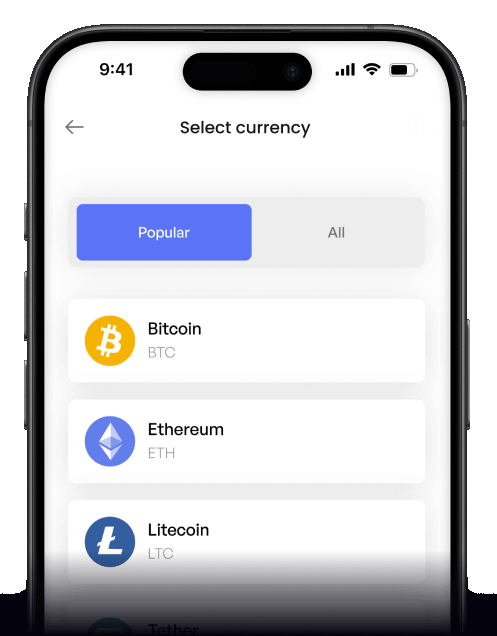
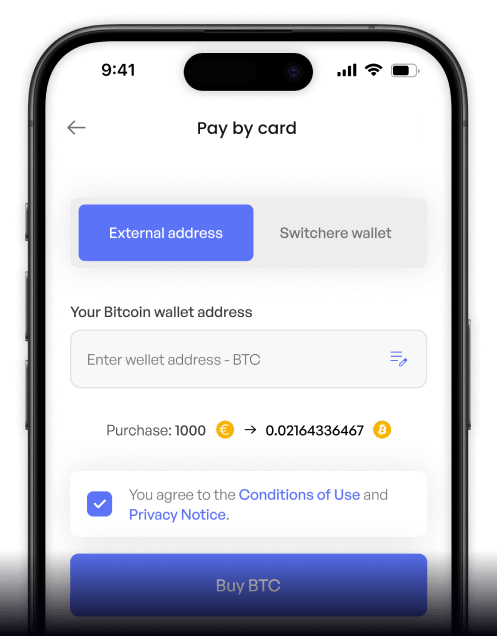
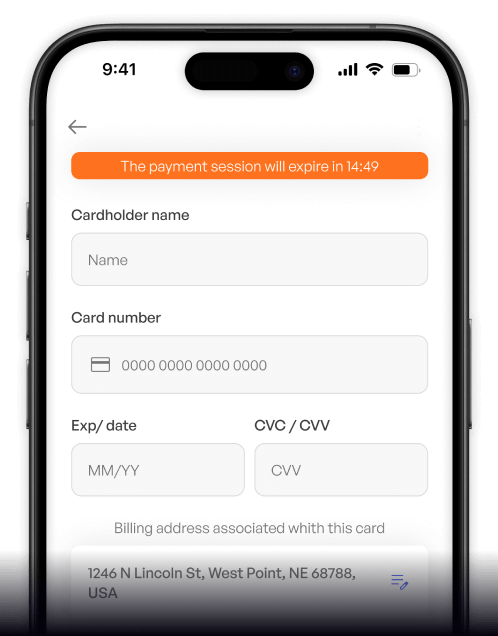
 Web
Popular Coins for Brazilian Real (BRL)


Other Coins for Brazilian Real (BRL)


Frequently asked questions
-
What is the most efficient way to buy USDC on the Polygon network using Brazilian Real (BRL)?
The most efficient method is typically through a local Brazilian cryptocurrency exchange that offers direct BRL to USDC (Polygon) pairs. These platforms often support instant payment methods like Pix, which significantly speeds up the fiat on-ramp process compared to traditional TED transfers. Using a local exchange simplifies KYC/AML compliance and provides a direct gateway to the Polygon DeFi ecosystem without needing to bridge assets from other chains. -
What are the advantages of holding USDC specifically on the Polygon PoS chain?
Holding USDC on the Polygon Proof-of-Stake (PoS) chain offers significant benefits, primarily very low transaction fees and high throughput. Unlike the Ethereum mainnet, blockchain transactions on Polygon are much cheaper, with gas fees paid in MATIC. This makes the stablecoin ideal for frequent payments, trading on decentralized exchanges (DEXs), and interacting with various DeFi protocols within the thriving Polygon ecosystem with minimal cost. -
What kind of digital wallet do I need to store USDC purchased on the Polygon network?
You need a self-custody digital wallet that is compatible with the Polygon network. Popular choices include MetaMask, Trust Wallet, or Ledger hardware wallets. After setting up the wallet, you must add the Polygon network configuration (RPC details) to it. Then, you can add the official USDC token contract address for the Polygon chain to view your balance. Always double-check that you are on the correct network to avoid loss of funds. -
Are there typical fees associated with converting BRL to USDC on Polygon?
Yes, there are several potential fees. First, the cryptocurrency exchange will charge a trading fee for the BRL/USDC transaction. Second, there might be a deposit fee depending on your payment method (e.g., Pix vs. Boleto Bancário). Finally, when you withdraw the USDC to your personal digital wallet, you will pay a network fee. On the Polygon network, this gas fee is paid in MATIC and is typically very low, often just a fraction of a cent. -
Is buying USDC on Polygon with BRL a good entry point into DeFi?
Absolutely. Acquiring USDC, a stable digital asset, directly on the Polygon network via a BRL fiat on-ramp is an excellent strategy. It allows you to immediately engage with Polygon's vast DeFi ecosystem, including lending protocols, yield farming platforms, and decentralized exchanges. The low gas fees (paid in MATIC) make experimentation and participation in these dApps highly accessible and cost-effective for users starting their DeFi journey.

Buy on the go
Anywhere. Anytime.
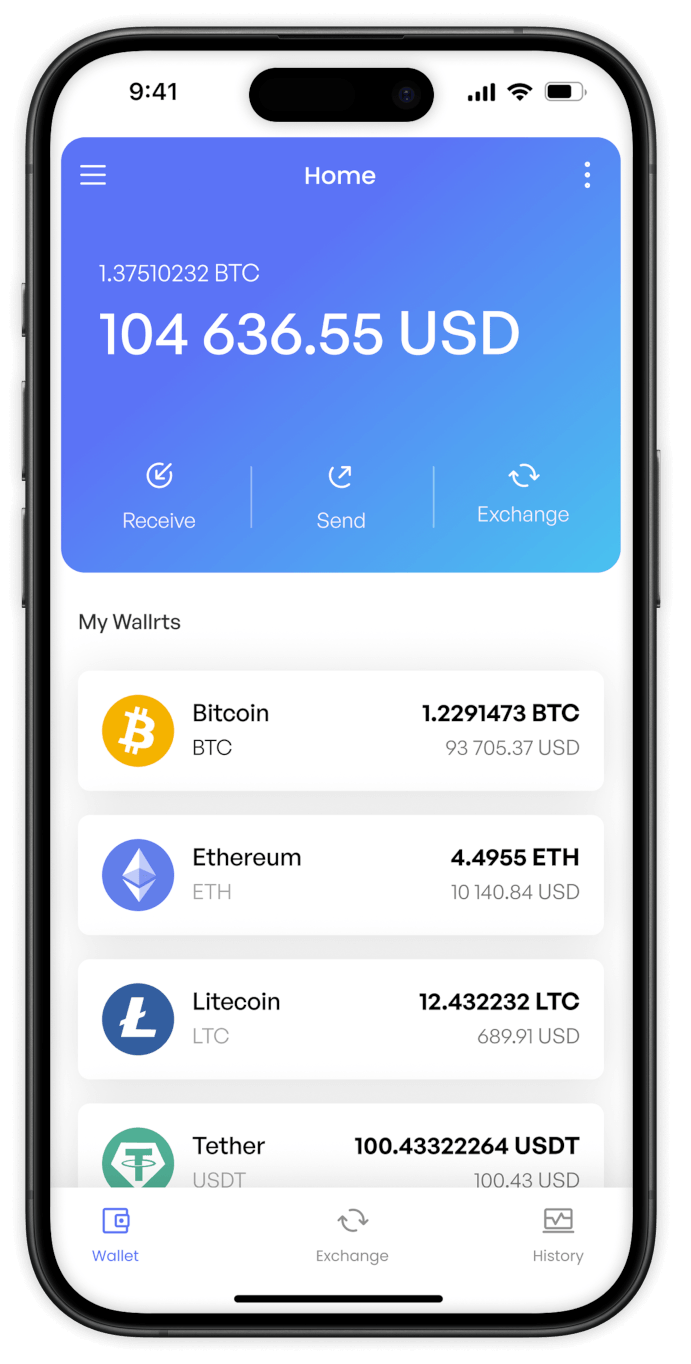
Buy crypto with your credit card from anywhere. Live rates, transparent fees, and 3D Secure on every order - the full Switchere card-buy experience in your pocket.



Scan to download the app iOS and Android