Convert
BRL to UNI Instantly
Brazilian Real to Uniswap (ERC20) at the real-time exchange rate


Purchase UNI (ERC20) with Brazilian Real (BRL) easily at Switchere and benefit from fast, secure transactions.
About
UNI (ERC20)
Exploring the BRL to UNI converter allows Brazilian users to seamlessly bridge local fiat with the decentralized finance ecosystem. When you buy UNI with BRL, you are acquiring the governance token of the Uniswap decentralized exchange protocol. The UNI to BRL rate fluctuates based on real-time market liquidity, the inherent volatility of cryptocurrency markets, and the international standing of the Brazilian Real. For local residents, utilizing regional payment methods such as Pix or TED bank transfers ensures a fast, cost-effective fiat on-ramp, while credit card options remain popular despite standard KYC and AML verifications.
Since Uniswap operates primarily on the Ethereum blockchain, receiving your tokens requires an ERC-20 compatible wallet address. It is crucial to account for blockchain network conditions, as Ethereum gas fees can influence the final conversion cost when calculating the exchange rate. Confirmation times depend directly on these network fees and current congestion. Whether you are providing liquidity or participating in protocol governance, converting BRL into UNI directly connects Brazilian investors to borderless automated market making.

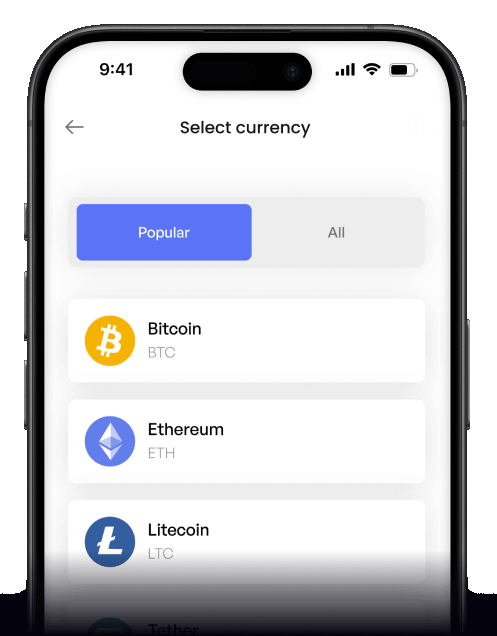
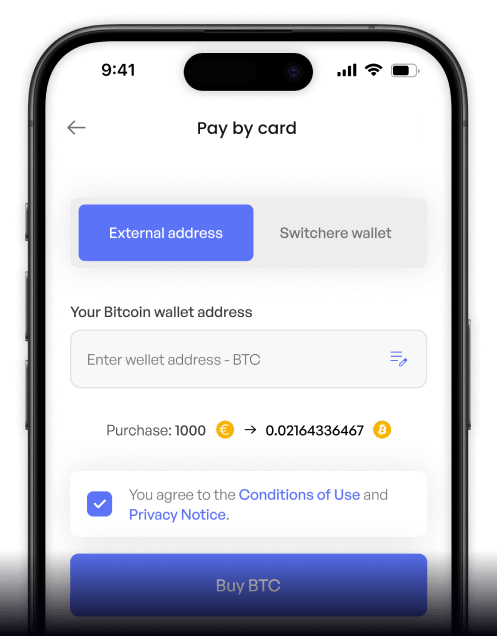
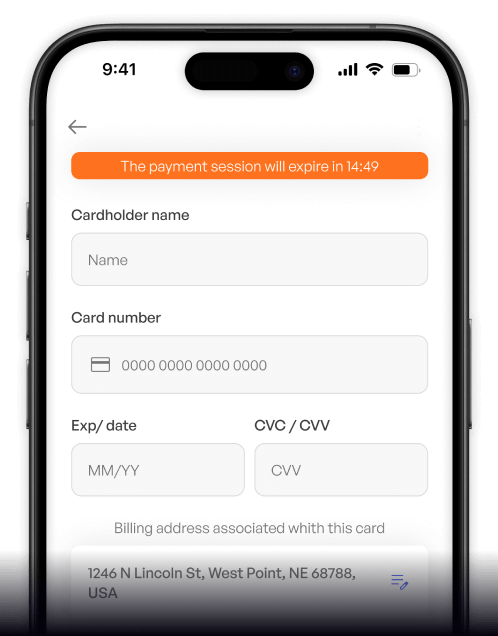
How to Buy UNI (ERC20)
 Step-by-step guidance
 Easy credit card payments
 Streamlined purchase process
 Web
Popular Coins for Brazilian Real (BRL)


Other Coins for Brazilian Real (BRL)


Frequently asked questions
-
What are the common methods to buy Uniswap (UNI) with Brazilian Real (BRL)?
To buy UNI with BRL, you typically use a centralized cryptocurrency exchange that lists the BRL/UNI trading pair. The process involves creating an account, completing KYC/AML verification, and depositing BRL using common Brazilian payment methods like PIX transfer, TED, or Boleto Bancário. Once funded, you can execute a trade on the exchange's order book to acquire the UNI governance token. -
What is the primary function of the UNI token within the Uniswap Protocol?
The UNI token is the native governance token of the Uniswap Protocol, a leading Automated Market Maker (AMM) on the Ethereum blockchain. Its primary function is to enable community governance. UNI holders can vote on key protocol proposals and development initiatives, effectively shaping the future of this decentralized exchange (DEX). It's an ERC-20 token, fundamental to the DeFi ecosystem. -
What are the advantages of using a direct BRL/UNI fiat on-ramp?
Using a direct BRL/UNI fiat on-ramp provides Brazilian investors with a streamlined path into the DeFi space. The main advantage is avoiding double conversion fees (e.g., BRL to USD, then USD to UNI), which preserves capital. Furthermore, leveraging fast local payment systems like PIX for BRL deposits allows for near-instant account funding, enabling quicker reaction to market dynamics for acquiring this key governance token. -
How does the Uniswap Automated Market Maker (AMM) differ from a traditional exchange order book?
While you buy UNI with BRL on a centralized exchange using a traditional order book (matching buyers and sellers), the Uniswap Protocol itself operates as a Decentralized Exchange (DEX) using an Automated Market Maker (AMM). Instead of an order book, the AMM uses liquidity pools—smart contracts holding reserves of two or more tokens. Prices are determined algorithmically based on the ratio of tokens in a pool, enabling permissionless token swaps directly from a user's digital wallet. -
What fees should I consider when trading the BRL to UNI pair?
When trading BRL for UNI on a centralized exchange, factor in several potential fees. First, there's the deposit fee for BRL, though fast methods like PIX are often free. Second, the exchange will charge a trading fee (maker or taker fee) for executing the BRL/UNI transaction. Finally, if you withdraw your UNI to a self-custody digital wallet to use on the Uniswap DEX, you'll incur a withdrawal fee from the exchange and an Ethereum network gas fee for the blockchain transaction.

Buy on the go
Anywhere. Anytime.
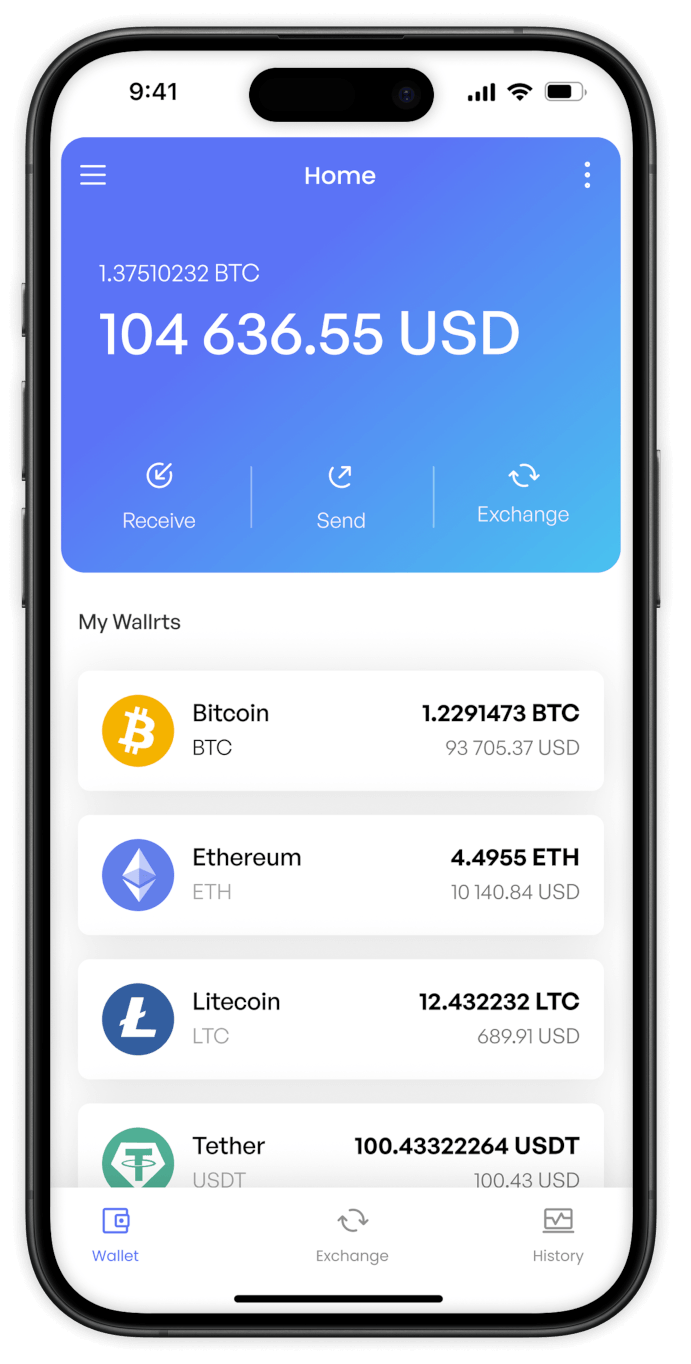
Buy crypto with your credit card from anywhere. Live rates, transparent fees, and 3D Secure on every order - the full Switchere card-buy experience in your pocket.



Scan to download the app iOS and Android