Convert
BRL to SUSHI Instantly
Brazilian Real to SushiSwap (ERC20) at the real-time exchange rate


Purchase SUSHI (ERC20) with Brazilian Real (BRL) easily at Switchere and benefit from fast, secure transactions.
About
SUSHI (ERC20)
Navigating the dynamic BRL to SUSHI converter requires understanding the intersection of Brazilian fiat and decentralized finance. The SUSHI to BRL rate fluctuates based on local market liquidity, the global volatility of the SushiSwap ecosystem, and macro-economic factors influencing the Brazilian Real. For local investors looking to buy SUSHI with BRL, this fiat on-ramp serves as a direct gateway to decentralized exchanges, liquidity pools, and yield farming opportunities.
Utilizing regional payment infrastructure significantly optimizes this exchange process. Users can rapidly execute transactions using Pix, Brazil's instant payment system, or traditional TED transfers, alongside standard card payments subject to strict KYC/AML identity verifications. Once the fiat conversion is processed, receiving your decentralized assets requires an Ethereum-compatible wallet. Since SushiSwap operates natively as an ERC-20 token, users must account for network gas fees and block confirmation times during the transfer. Ultimately, monitoring the real-time exchange rate ensures that Brazilian users can effectively bridge their BRL into the broader Web3 economy, maximizing their participation in automated market maker protocols.

How to Buy SUSHI (ERC20)
 Step-by-step guidance
 Easy credit card payments
 Streamlined purchase process
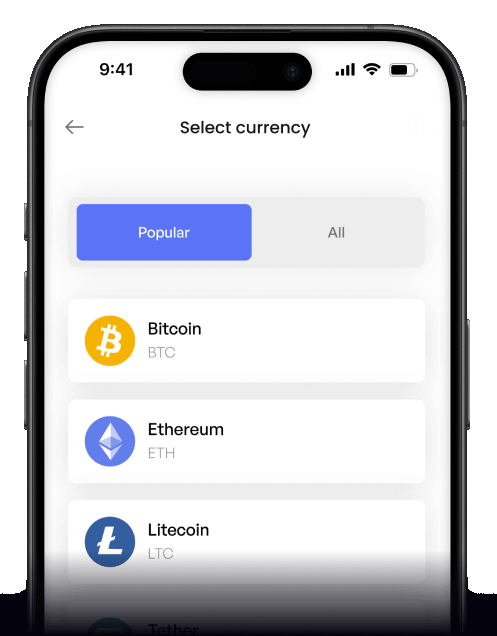
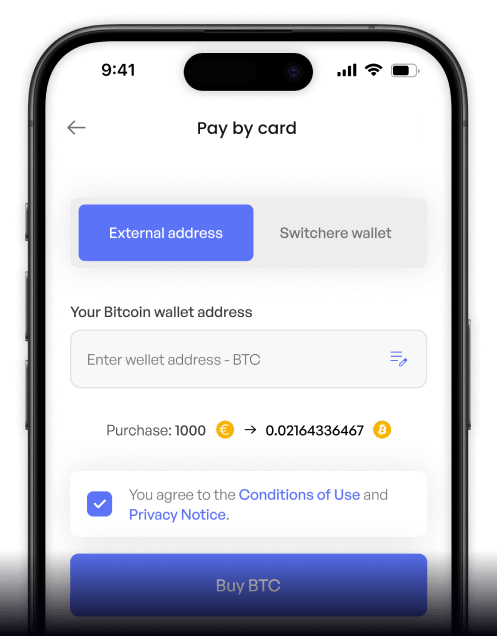
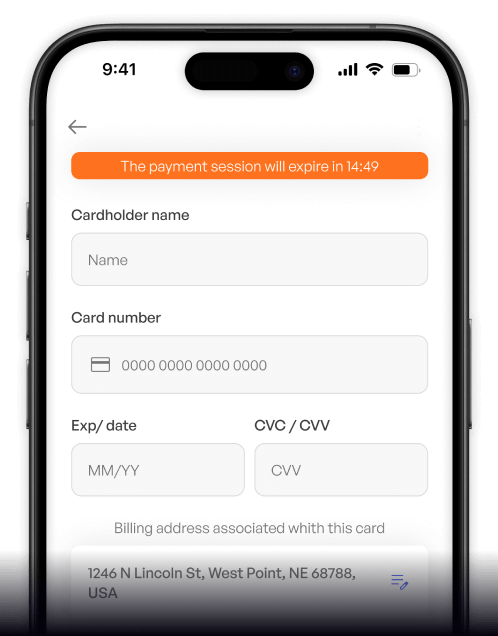
 Web
Popular Coins for Brazilian Real (BRL)


Other Coins for Brazilian Real (BRL)


Frequently asked questions
-
What are the common methods to buy SushiSwap (SUSHI) with Brazilian Real (BRL)?
To acquire the SUSHI digital asset with BRL, you typically use a cryptocurrency exchange that serves as a fiat on-ramp in Brazil. The most common payment methods are Pix transfers for instant funding and bank transfers (TED). After completing KYC/AML compliance, you can deposit BRL, execute a trade on the BRL/SUSHI order book, and then withdraw your SUSHI tokens to a secure digital wallet. -
What is the primary function of the SUSHI token within the SushiSwap protocol?
SUSHI is a governance token for the SushiSwap Automated Market Maker (AMM). Token holders can vote on proposals to shape the protocol's future. Additionally, it's used to reward users who provide liquidity to the various liquidity pools on the platform. By staking SUSHI in the SushiBar, users receive xSUSHI, which earns a portion of the trading fees generated by the AMM across its multi-chain deployment. -
Once I buy SUSHI with BRL, how do I participate in yield farming on SushiSwap?
After acquiring SUSHI, transfer it to a non-custodial digital wallet compatible with DeFi, like MetaMask. You then connect your wallet to the SushiSwap dApp. To participate in yield farming, you provide liquidity by depositing an equal value of two tokens (e.g., SUSHI and ETH) into a liquidity pool. In return, you receive LP (Liquidity Provider) tokens, which you can stake to earn SUSHI rewards, thus completing the yield farming cycle. -
Are there security risks to consider when trading the BRL/SUSHI pair?
Yes. When using a centralized cryptocurrency exchange for the initial BRL to SUSHI purchase, the main risk is exchange security. Always use exchanges with strong security records and enable two-factor authentication (2FA). For interacting with the SushiSwap protocol itself, the primary risk is smart contract vulnerability. While SushiSwap is heavily audited, it's crucial to move your assets to a personal digital wallet and never share your private keys or seed phrase. Be cautious of phishing sites. -
What are the typical fees when buying SUSHI with BRL and using it on-chain?
There are two main fee types. First, the fiat on-ramp exchange will charge a deposit fee for BRL via Pix or TED, and a trading fee for the BRL/SUSHI transaction. Second, when you use SUSHI on-chain, you'll pay blockchain transaction fees (gas fees). Since SUSHI is an ERC-20 token on Ethereum but also deployed on other chains like Polygon, gas fees vary significantly depending on which blockchain network you are using for your DeFi activities.

Buy on the go
Anywhere. Anytime.
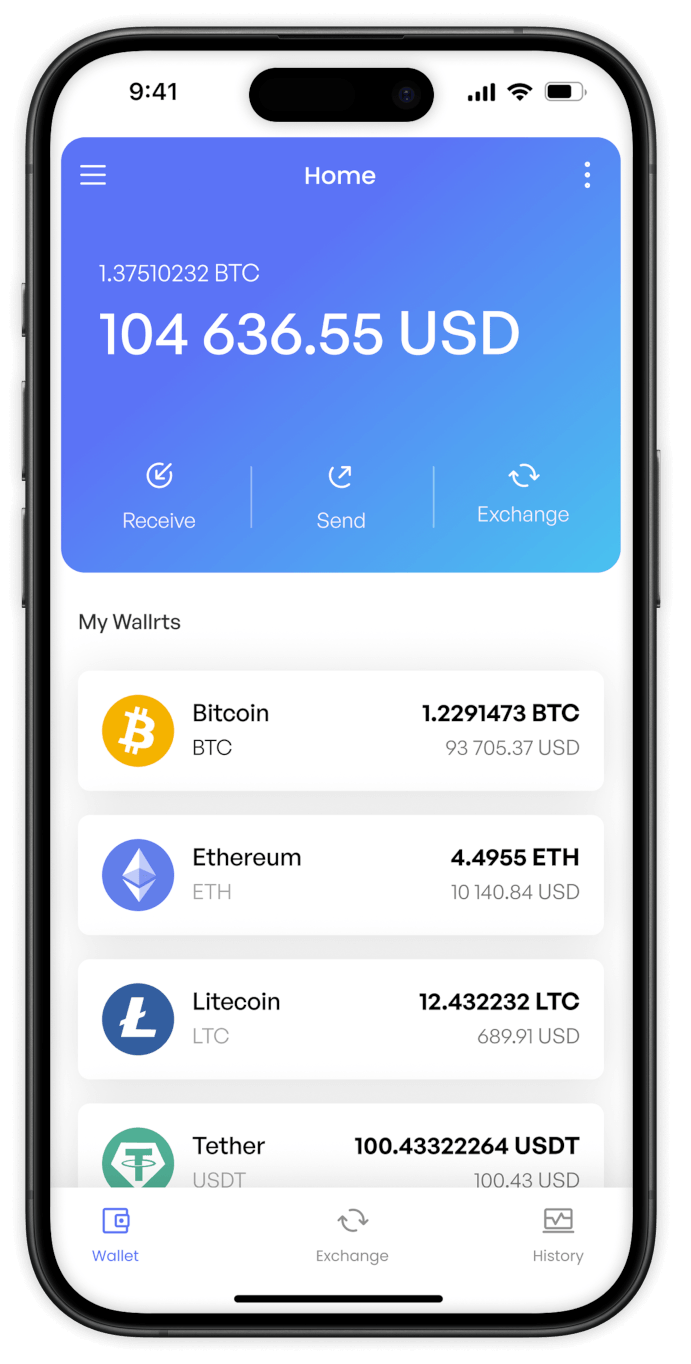
Buy crypto with your credit card from anywhere. Live rates, transparent fees, and 3D Secure on every order - the full Switchere card-buy experience in your pocket.



Scan to download the app iOS and Android