Convert
BRL to QNT Instantly
Brazilian Real to Quant (QNT) (ERC20) at the real-time exchange rate


Purchase QNT (ERC20) with Brazilian Real (BRL) easily at Switchere and benefit from fast, secure transactions.
About
QNT (ERC20)
Using a reliable BRL to QNT converter is essential for Brazilian investors looking to bridge local fiat with the interoperability focused Quant network. When you buy QNT with BRL, the exchange rate is influenced by global market liquidity, the inherent volatility of digital assets, and the current standing of the Brazilian Real. For seamless fiat on-ramp experiences, users in Brazil typically utilize the Pix payment system, TED transfers, or local credit cards, ensuring rapid settlement and compliance with mandatory KYC/AML regulations.
Tracking the real-time QNT to BRL rate helps users optimize their entry into the Overledger ecosystem. Because Quant operates primarily as an ERC-20 token on the Ethereum blockchain, those acquiring it must provide a compatible Ethereum wallet address. It is important to account for Ethereum network fees, often called gas, which can affect the final amount of QNT received. By converting Brazilian Reais into QNT, developers and enterprise tech enthusiasts in South America gain direct utility access to decentralized multi-chain applications, making this fiat-crypto pair a vital gateway for regional blockchain interoperability.

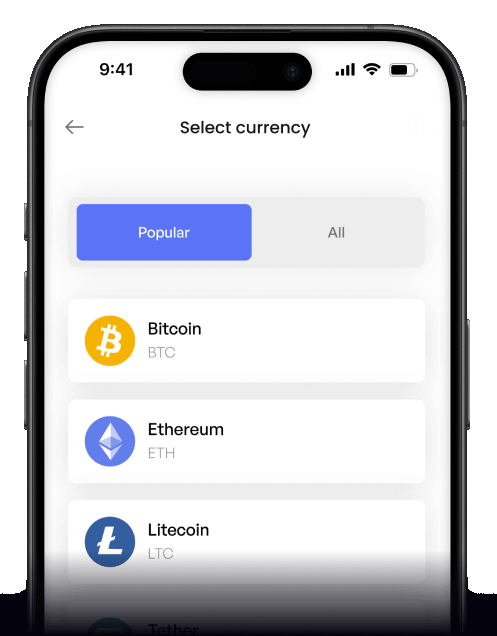
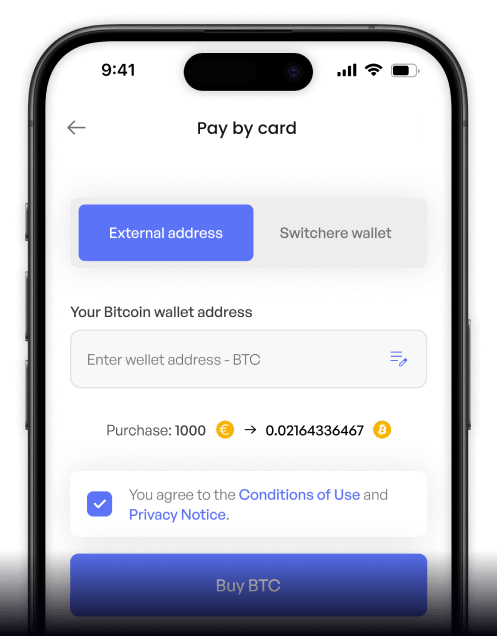
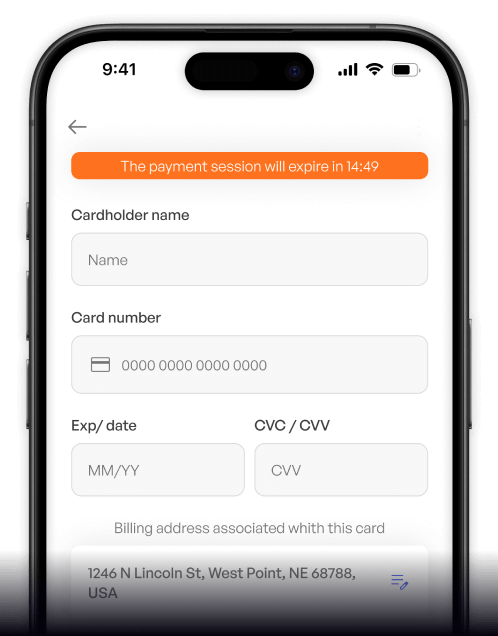
How to Buy QNT (ERC20)
 Step-by-step guidance
 Easy credit card payments
 Streamlined purchase process
 Web
Popular Coins for Brazilian Real (BRL)


Other Coins for Brazilian Real (BRL)


Frequently asked questions
-
What are the common methods to buy Quant (QNT) with Brazilian Real (BRL)?
To buy the QNT digital asset with BRL, the most direct fiat on-ramp is through a cryptocurrency exchange that supports BRL deposits. Common payment methods in Brazil include PIX for instant transfers, TED/DOC for traditional bank transfers, and sometimes Boleto Bancário. After completing KYC/AML compliance, you can deposit BRL into the exchange, navigate to the BRL/QNT trading pair, and place an order on the spot market. -
What is the strategic advantage of Quant's Overledger OS for users in the Brazilian market?
The primary advantage is gaining direct access to a leading blockchain interoperability protocol. Quant's Overledger is not a blockchain itself but an operating system that enables the creation of multi-chain applications (mApps). For Brazilian enterprises and developers, using BRL to acquire QNT provides a direct pathway to build solutions that connect disparate blockchains (e.g., Ethereum, Bitcoin, Ripple) without needing to be an expert in each one, fostering innovation in sectors like finance and supply chain. -
What kind of fees should I expect when executing a BRL to QNT trade?
There are typically three types of fees. First, a deposit fee might apply depending on your payment method, though PIX transfers are often free. Second, the cryptocurrency exchange will charge a trading fee, usually a small percentage of the transaction value from the order book. Third, when you move your QNT off the exchange to a private digital wallet, you'll incur a blockchain transaction withdrawal fee, which is specific to the Quant token (QRC-20 or ERC-20) and network congestion. -
How can I securely store my QNT tokens after purchasing them with BRL?
For optimal security, you should transfer your QNT tokens from the exchange to a personal digital wallet where you control the private keys. Since QNT is primarily an ERC-20 token, it is compatible with most Ethereum-based wallets, including hardware wallets (like Ledger or Trezor) for cold storage or reputable software wallets (like MetaMask or Trust Wallet). Always double-check the wallet address before confirming a blockchain transaction withdrawal to prevent loss of funds. -
Is Quant (QNT) its own blockchain, and what does that mean for BRL transactions?
No, Quant is not a blockchain. It is an interoperability-focused operating system called Overledger that sits on top of existing blockchains. When you buy QNT with BRL, you are acquiring a utility token required to access the Quant Network and its services, such as creating mApps. Your QNT token itself exists on another blockchain (commonly Ethereum as an ERC-20 token). This means the security and speed of your QNT transaction depend on the underlying blockchain, not a proprietary Quant chain.

Buy on the go
Anywhere. Anytime.
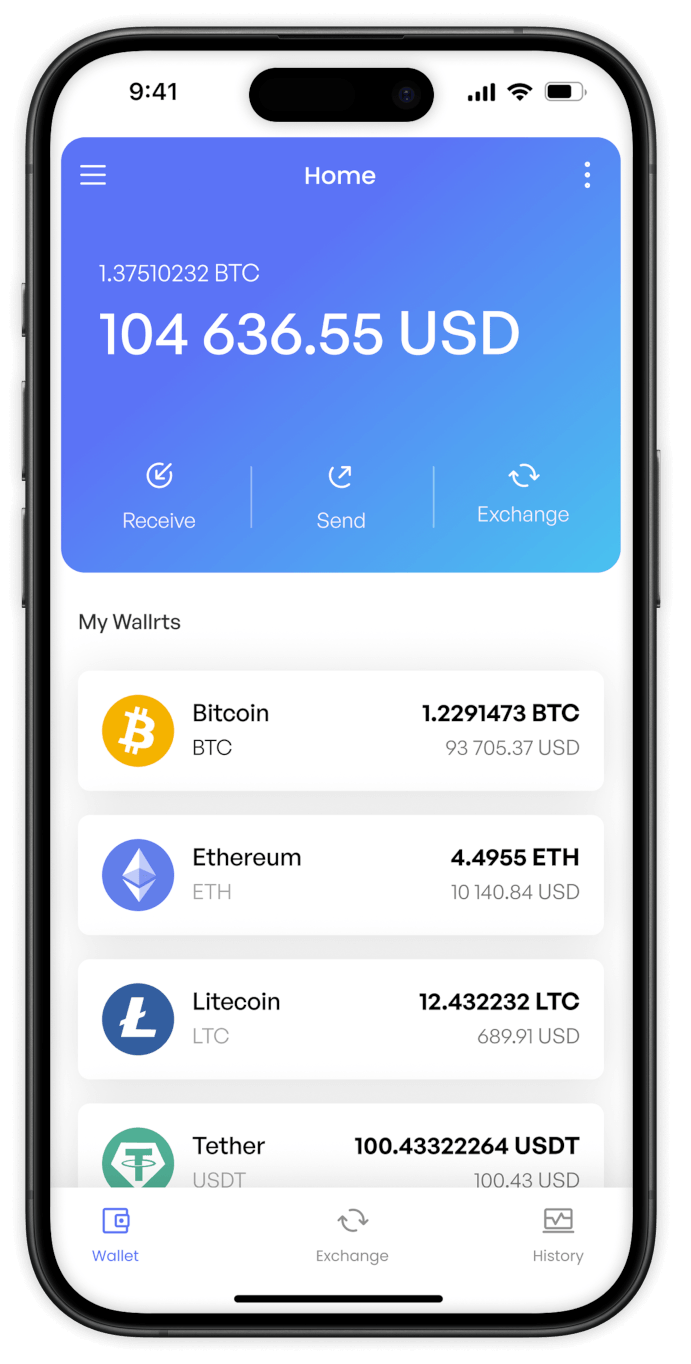
Buy crypto with your credit card from anywhere. Live rates, transparent fees, and 3D Secure on every order - the full Switchere card-buy experience in your pocket.



Scan to download the app iOS and Android