Convert
BRL to CVX Instantly
Brazilian Real to Convex Finance (ERC20) at the real-time exchange rate


Purchase CVX (ERC20) with Brazilian Real (BRL) easily at Switchere and benefit from fast, secure transactions.
About
CVX (ERC20)
Using a reliable BRL to CVX converter provides Brazilian users with a direct fiat on-ramp to Convex Finance, a protocol optimizing yield on Curve. The CVX to BRL rate fluctuates based on cryptocurrency market liquidity, token volatility, and the Brazilian Real's macroeconomic valuation. When you buy CVX with BRL, the live exchange rate reflects these factors alongside local supply and demand.
For optimal efficiency, regional payment methods like PIX and TED transfers offer rapid settlement, often outpacing standard credit card processing. Interacting with local exchanges requires standard KYC and AML verification, ensuring secure and compliant fiat-to-crypto conversions.
Since Convex Finance is an ERC-20 token, users need an Ethereum-compatible wallet address to receive funds. Buyers must factor in Ethereum network gas fees, which directly influence the final settlement amount. Blockchain confirmation times will vary depending on network congestion. By monitoring the exchange rate and understanding these technical mechanics, Brazilian residents can seamlessly transition from fiat into the decentralized finance ecosystem to participate in CVX governance.

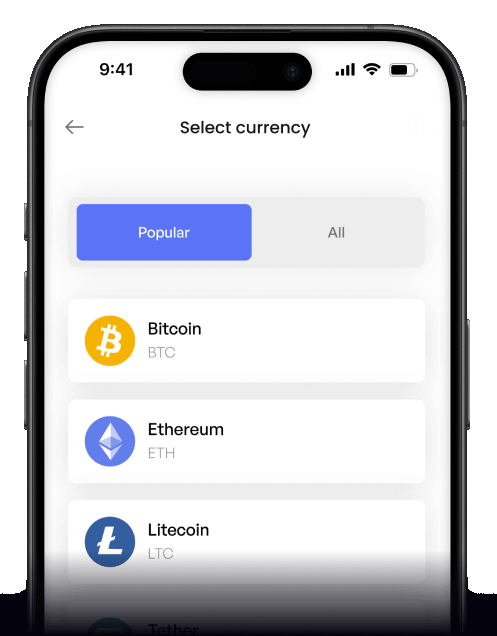
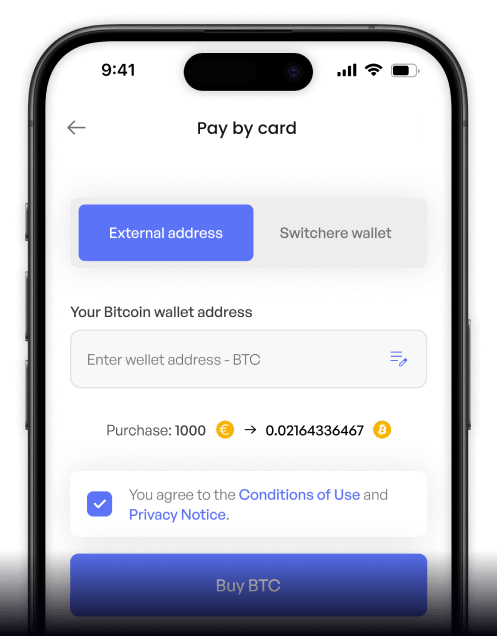
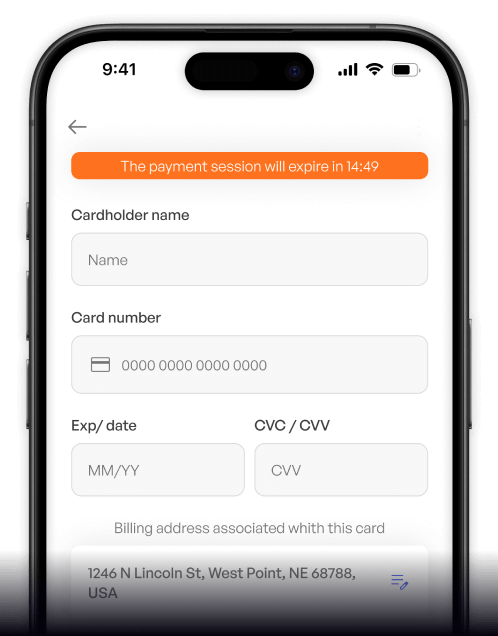
How to Buy CVX (ERC20)
 Step-by-step guidance
 Easy credit card payments
 Streamlined purchase process
 Web
Popular Coins for Brazilian Real (BRL)


Other Coins for Brazilian Real (BRL)


Frequently asked questions
-
What is Convex Finance (CVX) and how can I buy it using Brazilian Real (BRL)?
Convex Finance is a DeFi protocol built on Ethereum that boosts rewards for Curve Finance liquidity providers (LPs). To buy CVX with BRL, you can use a cryptocurrency exchange that offers a BRL fiat on-ramp. Typically, you would deposit Brazilian Real via methods like Pix or a TED transfer, and then execute a trade on the BRL/CVX order book or swap BRL for this digital asset. -
What is the primary function of CVX in the DeFi ecosystem, particularly regarding Curve Finance?
The primary function of Convex Finance is to allow Curve Finance liquidity providers to earn boosted CRV rewards without having to lock CRV tokens themselves. Users stake their Curve LP tokens on Convex to receive boosted CRV, liquidity mining rewards in the form of CVX tokens, and a share of platform fees. This mechanism maximizes yield farming efficiency on Curve. -
What is vote-locked CVX (vlCVX) and what are its benefits in the Convex ecosystem?
Vote-locked CVX (vlCVX) is created when users lock their CVX tokens. Locking CVX grants holders governance rights over the Convex Finance protocol. The key benefits include earning a share of platform fees, receiving additional token rewards, and the ability to participate in the 'bribing' mechanism, where protocols pay vlCVX holders to direct CRV emissions (gauge weight votes) to their liquidity pools. -
What are the typical fees when performing a BRL to CVX blockchain transaction?
The total cost involves several components. First, the cryptocurrency exchange may charge a fee for a BRL deposit (e.g., via Boleto Bancário or TED) and a trading fee for the BRL/CVX conversion. Second, when you withdraw CVX to a private digital wallet, you'll pay a network fee, which on Ethereum is known as gas. Gas fees can fluctuate based on network congestion. Finally, interacting with the Convex smart contracts themselves will also require gas fees for each on-chain action. -
Are there Brazilian cryptocurrency exchanges that offer high liquidity for the BRL/CVX pair?
While major global exchanges often have more trading volume, several Brazilian cryptocurrency exchanges list popular DeFi tokens. However, direct BRL/CVX pairs with deep liquidity can be less common. A frequent strategy for Brazilian users is to use a local exchange to buy a major crypto like Bitcoin (BTC) or Ethereum (ETH) with BRL via Pix, then transfer it to a global exchange with a more liquid CVX market to complete the trade. Always check the liquidity and trading volume on an exchange's order book before transacting.

Buy on the go
Anywhere. Anytime.
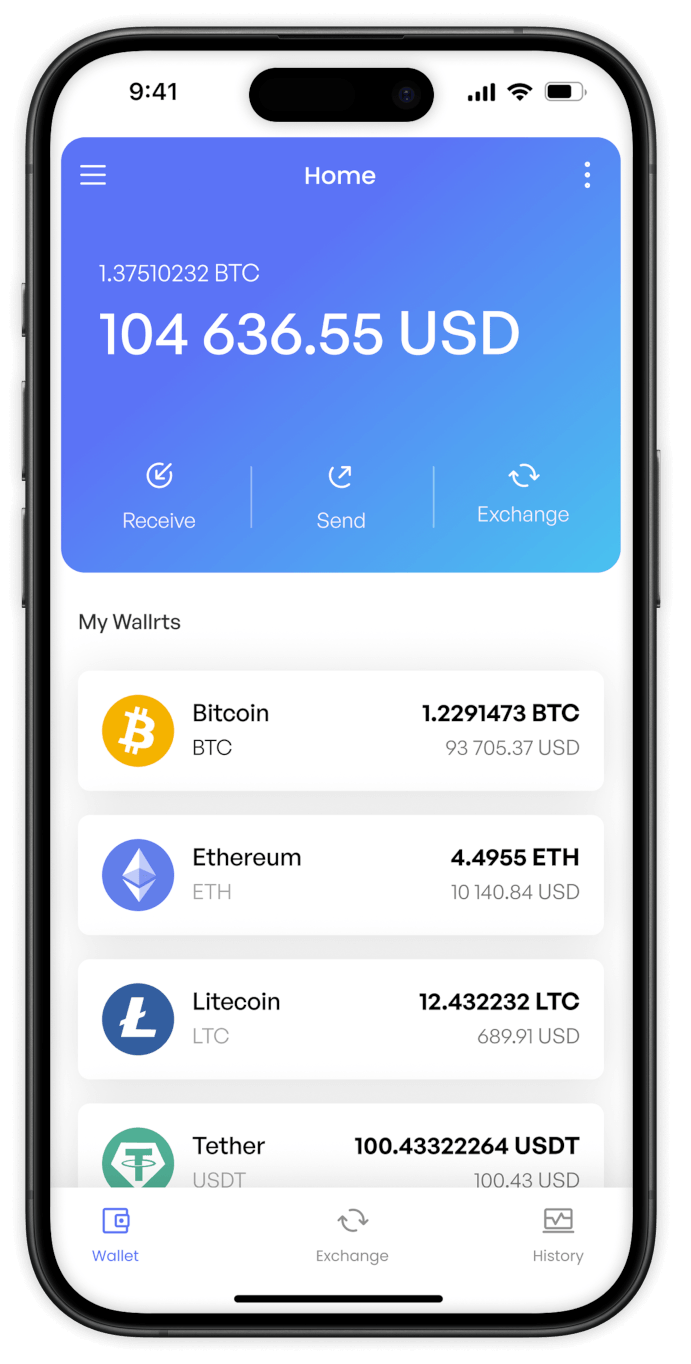
Buy crypto with your credit card from anywhere. Live rates, transparent fees, and 3D Secure on every order - the full Switchere card-buy experience in your pocket.



Scan to download the app iOS and Android