Convert
Norwegian Krone (NOK) to CTC (CTC) Instantly
Purchase CTC (CTC) with Norwegian Krone (NOK) easily at Switchere and benefit from fast, secure transactions.
About
CTC (CTC)
Creditcoin (CTC) is a foundational blockchain technology designed to address a critical gap in the global financial system: the lack of a universal, transparent credit history. Its primary objective is to create a decentralized network for a borderless credit market, specifically targeting the unbanked and underbanked populations. By recording loan performance on a public digital ledger, Creditcoin provides a mechanism for individuals and businesses to build a verifiable, on-chain credit history. This digital asset aims to bridge the divide between traditional finance and DeFi applications, fostering greater financial inclusion by making credit more accessible and transparent across the globe through its innovative Web3 infrastructure.
The core of the Creditcoin protocol involves linking real-world, off-chain loan agreements to its immutable blockchain. This process creates objective proof of creditworthiness that is not controlled by any single entity. The native utility token, CTC, is integral to the ecosystem's operation. It is used to pay for transaction fees required to record credit transactions, such as loan requests and repayments, on the chain. Furthermore, CTC can be utilized for staking to enhance the cryptographic security of the network. This unique approach to integrating real-world assets (RWA) in the form of private credit establishes a foundational layer for on-chain reputation and new financial products.
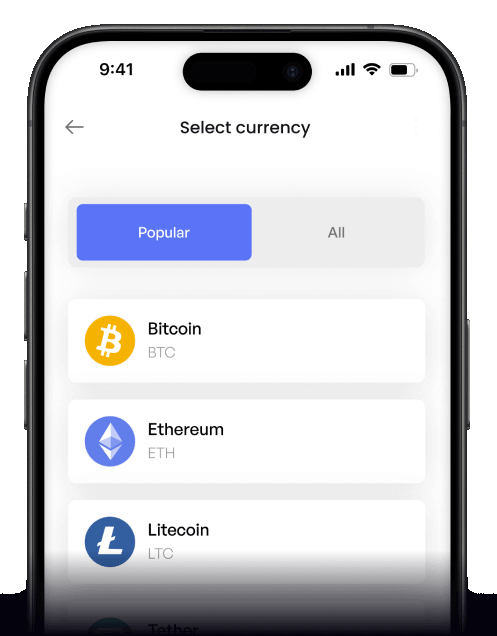
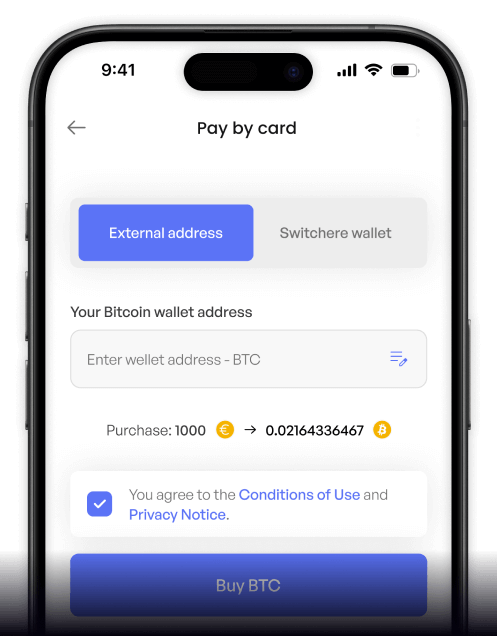
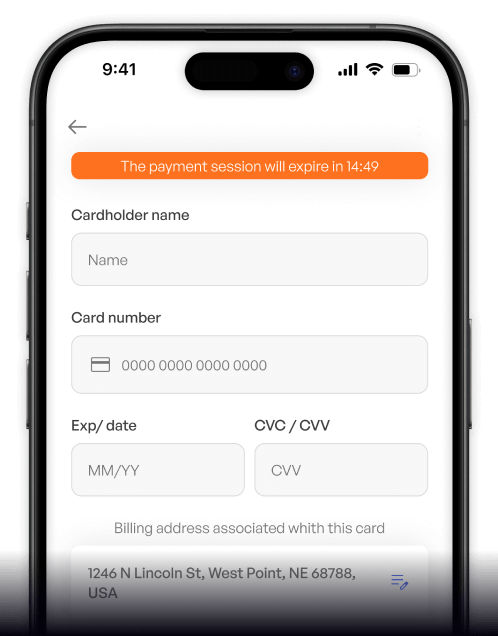
How to Buy CTC (CTC)
Popular Coins for Norwegian Krone (NOK)
Other Coins for Norwegian Krone (NOK)
Frequently asked questions
-
What is the most common way to buy Creditcoin (CTC) with Norwegian Krone (NOK)?
Typically, purchasing Creditcoin (CTC) with Norwegian Krone (NOK) involves a two-step process. Users first buy a major cryptocurrency like Bitcoin (BTC) or a stablecoin (USDT) on a Norwegian-friendly cryptocurrency exchange using NOK via methods like bank transfer or VIPPS. Afterwards, they transfer that digital asset to an exchange with a CTC trading pair to complete the purchase. Direct NOK/CTC pairs are less common, making this fiat on-ramp strategy the standard approach. -
What unique features of the Creditcoin blockchain should I consider when investing NOK?
When converting NOK to CTC, you're interacting with a specialized Real-World Asset (RWA) blockchain. Creditcoin's primary function is to create a public ledger of credit history by recording loan performance data from fintech lenders in emerging markets. Its Proof-of-Credit mechanism and integration with platforms like Gluwa aim to bridge DeFi with traditional finance, promoting financial inclusion. Your CTC tokens are essential for transaction fees and participating in the network's governance. -
Are there specific KYC/AML regulations I must follow when buying CTC with NOK?
Yes, any reputable fiat on-ramp or cryptocurrency exchange that accepts NOK is required to comply with Norwegian and international KYC (Know Your Customer) and AML (Anti-Money Laundering) regulations. You will need to complete an identity verification process, which typically involves submitting a government-issued ID (like a passport) and proof of address. In Norway, many platforms streamline this process using BankID for faster verification. -
After buying CTC with NOK, what is the best way to store this digital asset securely?
For optimal security, it's recommended to move your Creditcoin (CTC) from the exchange to a non-custodial digital wallet where you control the private keys. Hardware wallets, such as Ledger or Trezor, offer the highest level of security by keeping your keys offline. Alternatively, you can use a reputable software wallet that officially supports the Creditcoin network. Never share your private keys or seed phrase with anyone. -
How does the liquidity of the NOK/CTC pair affect my trades?
Direct NOK/CTC trading pairs generally have low liquidity, which means there are fewer buyers and sellers on the order book. This can lead to higher 'slippage' (the difference between the expected price and the execution price) and a wider bid-ask spread. This is why most traders use a high-liquidity pair like NOK/USDT as an intermediary step. By converting NOK to a highly liquid asset first, you can then trade for CTC on a more active market, minimizing slippage and ensuring a more favorable trade execution.