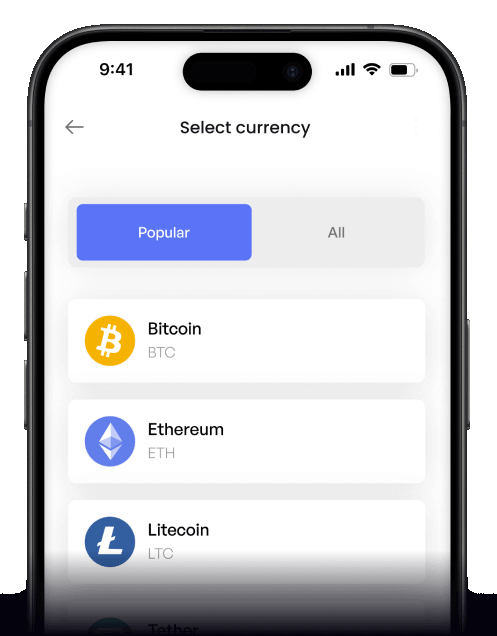
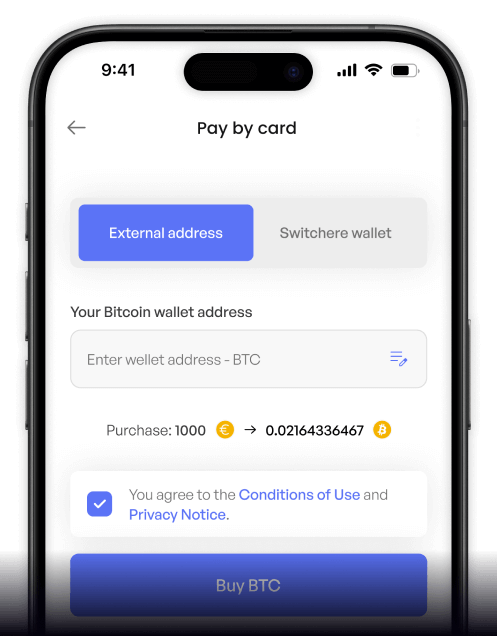
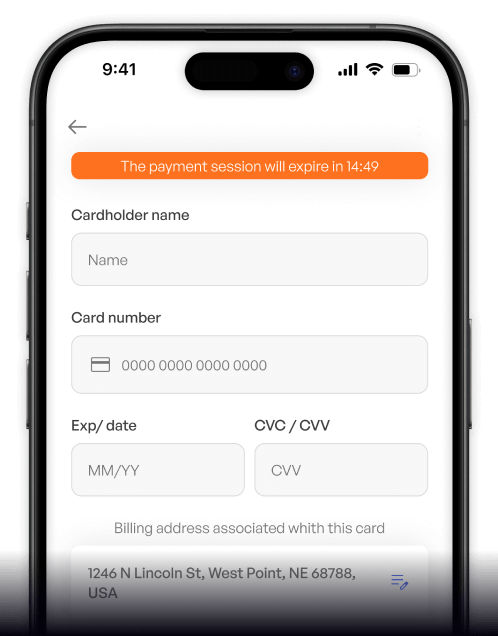
Convert
Norwegian Krone (NOK) to Hedera Hashgraph (HBAR) Instantly
Purchase Hedera Hashgraph (HBAR) with Norwegian Krone (NOK) easily at Switchere and benefit from fast, secure transactions.
About
Hedera Hashgraph (HBAR)
Hedera is a public distributed ledger that utilizes a unique consensus mechanism known as Hashgraph, presenting a distinct alternative to traditional blockchain technology. This enterprise-grade network is specifically engineered to address scalability and performance bottlenecks. At its core is the Directed Acyclic Graph (DAG) architecture, secured by the asynchronous Byzantine Fault Tolerance (aBFT) algorithm. This foundation, powered by a gossip-about-gossip protocol and virtual voting, enables extremely high throughput with thousands of transactions per second, low-latency finality, and mathematically proven fair ordering of transactions, all while maintaining low, fixed fees and remarkable energy efficiency. The network's governance is overseen by the Hedera Governing Council, a body of leading global organizations. Hedera offers a suite of services, including the Hedera Consensus Service (HCS) for verifiable event logging and the Hedera Token Service (HTS) for native token issuance, alongside EVM-compatible smart contracts. The native digital asset, HBAR, is the fuel of the ecosystem. This utility token is used to pay for network transaction fees, secure the network via proxy staking, and facilitate a wide range of Web3 applications and DeFi protocols built on its robust infrastructure.
How to Buy Hedera Hashgraph (HBAR)
Popular Coins for Norwegian Krone (NOK)
Other Coins for Norwegian Krone (NOK)
Frequently asked questions
-
What is the NOK/HBAR trading pair and what does it represent?
The NOK/HBAR pair represents the exchange rate between the Norwegian Krone (NOK) and Hedera's native cryptocurrency, HBAR. It allows you to use a fiat on-ramp to purchase HBAR digital assets with NOK. HBAR is the energy that powers the Hedera network, a public ledger that utilizes a unique Hashgraph consensus algorithm, a type of Directed Acyclic Graph (DAG), instead of a traditional blockchain for achieving fast and fair transactions. -
What are the common methods for buying HBAR with Norwegian Krone (NOK)?
To buy HBAR with NOK, you typically need to use a centralized cryptocurrency exchange that supports NOK deposits. The most common methods include direct Norwegian Krone bank transfers, sometimes authenticated with BankID, or using debit/credit cards. After depositing NOK, you can place an order on the NOK/HBAR market. Ensure the exchange has strong liquidity and adheres to KYC/AML compliance for secure trading. -
What distinguishes the Hedera network's technology from other digital assets?
Hedera's core distinction is its Hashgraph consensus algorithm, which is not a blockchain. This Directed Acyclic Graph (DAG) based technology provides high throughput with thousands of transactions per second, low-latency finality, and fair transaction ordering. It's also known for its enterprise-grade governance model, where a council of leading global organizations oversees the network. This makes services like the Hedera Consensus Service (HCS) and Hedera Token Service (HTS) highly efficient and reliable. -
What are the typical fees when processing a NOK to HBAR transaction?
Processing a NOK to HBAR transaction involves several potential fees. First, your bank or card issuer might charge a fee for the NOK deposit to the exchange. Second, the cryptocurrency exchange will have a trading fee, often a percentage of the trade value (e.g., maker/taker fees). Finally, when you withdraw HBAR to a private digital wallet, you'll pay a Hedera network fee. A major advantage of Hedera is that its network fees are extremely low and predictable, often a fraction of a US cent. -
After buying HBAR with NOK, what are its primary uses on the Hedera network?
HBAR is the native utility token of the Hedera public ledger. Its primary uses are to fuel network operations and enhance security. Specifically, HBAR is used to pay for transactions on services like the Hedera Consensus Service (HCS) and Hedera Token Service (HTS), to deploy smart contracts 2.0, and to secure the network through a process known as proxy staking, which contributes to the Hashgraph consensus mechanism's integrity.