


Конвертуйте
Bahraini Dinar (BHD) на SushiSwap (SUSHI) миттєво


Купуйте SushiSwap (SUSHI) за допомогою Bahraini Dinar (BHD) легко на Switchere і отримуйте вигоду від швидких і безпечних транзакцій.
Близько
SushiSwap (SUSHI)
SushiSwap (SUSHI) - відома децентралізована біржа (DEX) та автоматизований маркет-мейкер (AMM), що працює в численних блокчейн-мережах. Спочатку задуманий як форк, керований спільнотою, SushiSwap має на меті надати повний набір DeFi-додатків, використовуючи смарт-контракти для полегшення пірингової торгівлі цифровими активами без посередників. Її основна технологія дозволяє користувачам створювати пули ліквідності або робити внески в них, отримуючи винагороду за надання капіталу, що, в свою чергу, підтримує ефективні обміни токенів і визначення цін. Ця децентралізована мережева архітектура забезпечує криптографічну безпеку і прозорість операцій в ланцюжку для всіх учасників.
Власний токен SUSHI займає центральне місце в токеноміці платформи, функціонуючи як утилітарний токен і токен управління. Власники можуть вкладати SUSHI (часто як xSUSHI), щоб отримувати частину торгових зборів, що генеруються протоколом, вирівнюючи стимули користувачів з успіхом платформи. Крім того, власники SUSHI беруть участь в управлінні, голосуючи за пропозиції, які спрямовують розвиток платформи та управління казначейством. SushiSwap вийшла за рамки базових свопів, включивши в себе такі продукти, як Kashi для кредитування і запозичення, а також MISO, стартовий майданчик IDO, що розширює пропозиції інфраструктури Web3. Присутність у багатьох ланцюжках зміцнює роль SushiSwap як ключового гравця, що надає різноманітні фінансові інструменти в екосистемі децентралізованих фінансів.

Як купити SushiSwap (SUSHI)?
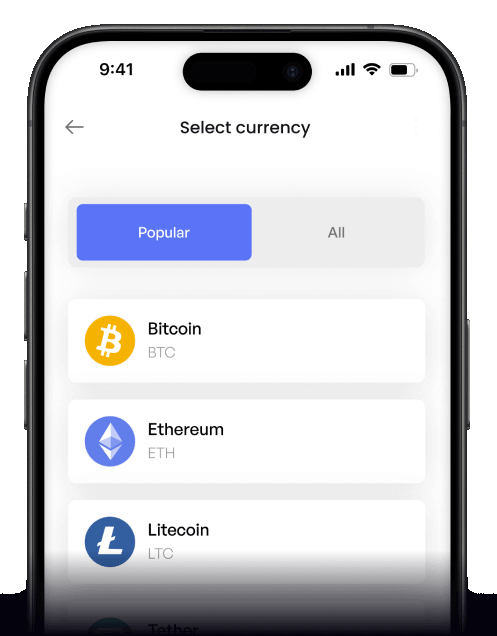
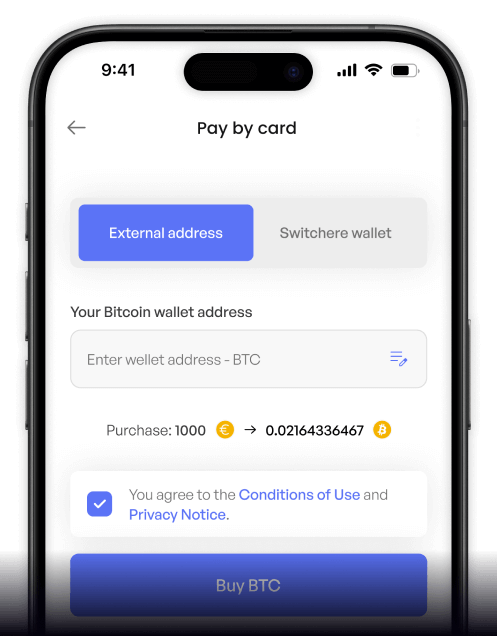
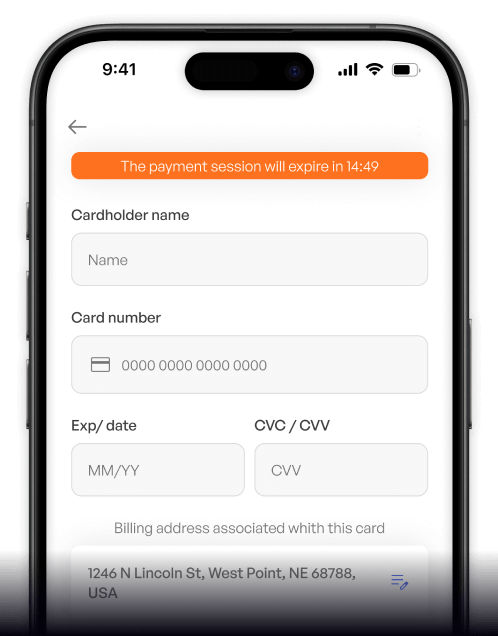
 Покрокове керівництво
 Легкі платежі кредитною карткою
 Спрощений процес купівлі
 Web
Web
Популярні монети за Bahraini Dinar (BHD)




Інші монети за Bahraini Dinar (BHD)




Поширені запитання
-
Який найпоширеніший спосіб купити SushiSwap (SUSHI) за бахрейнський динар (BHD)?
Найпоширеніший метод передбачає використання централізованої криптовалютної біржі, що регулюється Центральним банком Бахрейну (CBB) і пропонує фіатний шлюз для BHD. Користувачі зазвичай проходять верифікацію KYC/AML, вносять BHD через місцевий банківський переказ, наприклад, через мережу BENEFIT, а потім виконують угоду в книзі ордерів BHD/SUSHI, якщо вона доступна, або спочатку обмінюють BHD на стейблкоїн, як-от USDT, а потім USDT на SUSHI. -
Яка основна функція токена SUSHI в його децентралізованій біржі (DEX)?
Токен SUSHI — це насамперед токен управління. Власники можуть брати участь у прийнятті рішень, що впливають на протокол SushiSwap. Крім того, його можна стейкати в SushiBar, щоб отримати xSUSHI, який заробляє частину торгових комісій, що генеруються автоматизованим маркет-мейкером (AMM) у його мультичейн-розгортаннях, забезпечуючи форму доходу для власників токенів. -
Чи можу я обміняти BHD безпосередньо на SUSHI на автоматизованому маркет-мейкері (AMM) SushiSwap?
Ні, ви не можете безпосередньо торгувати фіатною валютою, як-от BHD, на децентралізованій біржі, такій як SushiSwap. Процес вимагає проміжного кроку: спочатку ви повинні використовувати фіатний шлюз (централізовану біржу), щоб конвертувати ваші BHD у криптовалюту, зазвичай у стейблкоїн, як-от USDC, або основний актив, як-от ETH. Потім ви переказуєте цей цифровий актив на гаманець із самостійним зберіганням для взаємодії з пулами ліквідності SushiSwap. -
Які переваги використання SushiSwap для фармінгу дохідності або надання ліквідності?
SushiSwap пропонує кілька переваг для користувачів DeFi. Його мультичейн-присутність дозволяє користувачам обирати блокчейни з нижчими комісіями за газ. Платформа надає різноманітні можливості для фармінгу дохідності через свої пули ліквідності, де постачальники заробляють торгові комісії. Крім того, набір продуктів, що включає сховище BentoBox та платформу кредитування Kashi, пропонує складніші стратегії для ефективності капітаlu, що виходять за рамки простих обмінів на AMM. -
Які типові комісії при купівлі цифрового активу, такого як SUSHI, за BHD?
Існує кілька потенційних комісій: 1) Комісія за депозит від вашого банку за переказ BHD на біржу. 2) Торгова комісія на централізованій біржі, яка зазвичай становить невеликий відсоток від вартості транзакції. 3) Якщо ви переміщуєте свої SUSHI з біржі на приватний цифровий гаманець, ви понесете комісію за виведення з мережі, яка залежить від поточних цін на газ у блокчейні (наприклад, комісії за газ в Ethereum).

Купуйте, де завгодно
Будь-де. Будь-коли.
Купуйте криптовалюту за допомогою кредитної картки з будь-якого місця. Актуальні курси, прозорі комісії та технологія 3D Secure для кожного замовлення — всі переваги сервісу Switchere для купівлі криптовалюти за допомогою картки у вашому мобільному.



Відскануйте, щоб завантажити додаток для iOS та Android

