


- Startpagina
- Omvormer
- Bahraini Dinar (BHD) naar Litecoin (LTC)

Converteer
Bahraini Dinar (BHD) naar Litecoin (LTC) direct


Koop Litecoin (LTC) met Bahraini Dinar (BHD) gemakkelijk bij Switchere en profiteer van snelle, veilige transacties.
Over
Litecoin (LTC)
Litecoin (LTC) is een van de vroegste en meest gevestigde cryptocurrencies, vaak aangeduid als het 'zilver voor het goud van Bitcoin'. Het werd in 2011 gelanceerd als een fork van de Bitcoin Core-client en had als hoofddoel een snellere en lichtere versie van Bitcoin te maken, geschikt voor alledaagse transacties. Deze digitale bron werkt op een gedecentraliseerd netwerk met een Proof-of-Work (PoW) consensusmechanisme, maar onderscheidt zich met het hashingalgoritme Scrypt. Deze keuze was aanvankelijk bedoeld om CPU en GPU miners in staat te stellen effectiever deel te nemen, hoewel gespecialiseerde Scrypt ASIC's sindsdien dominant zijn geworden voor het delven van deze cryptografisch beveiligde munt.
Belangrijke onderscheidende kenmerken van Litecoin zijn onder andere de snellere blokgeneratietijd, ongeveer 2,5 minuten in vergelijking met de 10 minuten van Bitcoin, wat leidt tot snellere transactiebevestigingen. Het LTC-token dient als de eigen valuta voor het betalen van transactiekosten op de blockchaintechnologie en wordt algemeen geaccepteerd als ruilmiddel en als opslagplaats van waarde. Litecoin is van oudsher een pionier in het gebruik van nieuwe technologieën, zoals Segregated Witness (SegWit), dat de doorvoer van transacties verbetert, en meer recent, de MimbleWimble Extension Blocks (MWEB) upgrade, die gebruikers opt-in privacy en verbeterde fungibiliteit voor on-chain transacties biedt. De lange levensduur en consistente ontwikkeling hebben de positie van Litecoin als een belangrijke en betrouwbare peer-to-peer digitale valuta binnen de bredere Web3-infrastructuur en het ecosysteem van het digitale grootboek verstevigd.
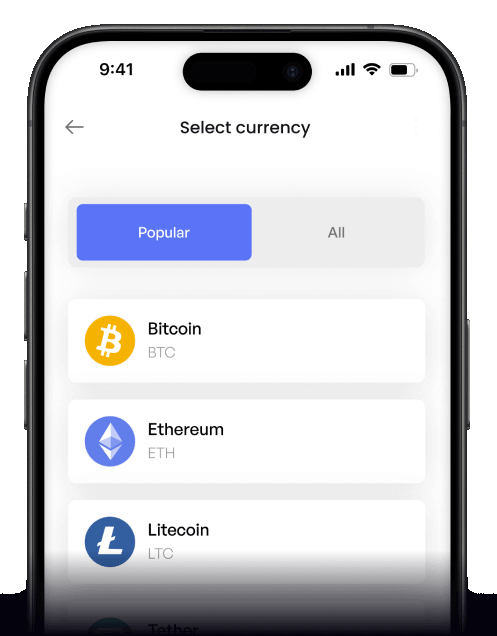
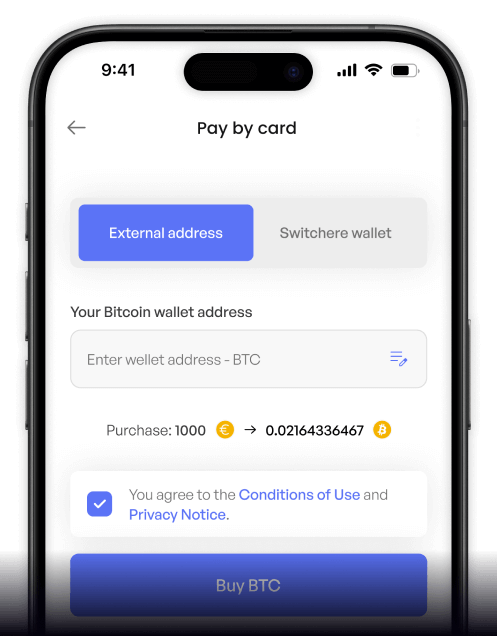
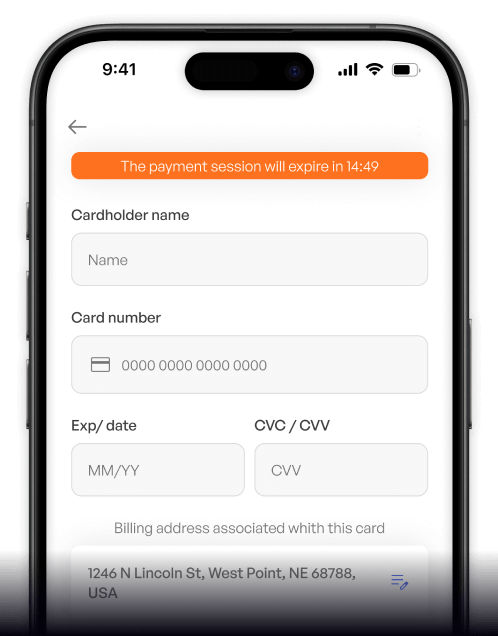
Hoe Litecoin (LTC) kopen
 Stapsgewijze begeleiding
 Eenvoudige creditcardbetalingen
 Gestroomlijnd aankoopproces
 Web
Web
Populaire munten voor Bahraini Dinar (BHD)




Andere munten voor Bahraini Dinar (BHD)




Veelgestelde vragen
-
Wat is de meest gebruikelijke methode om Bahreinse Dinar (BHD) om te zetten naar Litecoin (LTC)?
De meest gebruikelijke methode is het gebruik van een gecentraliseerde cryptocurrency-exchange die in het Midden-Oosten actief is en BHD ondersteunt als een fiat on-ramp. Gebruikers voltooien doorgaans een KYC/AML-verificatieproces, storten BHD via een lokale bankoverschrijving of een betalingsgateway zoals BenefitPay, en voeren vervolgens een BHD/LTC-transactie uit op het orderboek van het platform. Dit biedt een directe route om dit populaire Proof-of-Work digitale activum te verwerven. -
Wat zijn de voordelen van het gebruik van het Scrypt-algoritme van Litecoin in vergelijking met andere cryptocurrencies die beschikbaar zijn voor BHD?
Litecoin maakt gebruik van het Scrypt Proof-of-Work (PoW)-algoritme, dat oorspronkelijk is ontworpen om meer ASIC-bestendig te zijn, wat in de begindagen meer gedecentraliseerde mining mogelijk maakte. Vergeleken met Bitcoin's SHA-256 is Scrypt geheugenintensiever. Voor een gebruiker die met BHD koopt, resulteert deze onderliggende technologie in snellere blokgeneratietijden (ongeveer 2,5 minuten), wat leidt tot snellere transactiebevestigingen voor peer-to-peer elektronische cashbetalingen. -
Zijn er specifieke wettelijke vereisten van de Centrale Bank van Bahrein (CBB) bij het verhandelen van BHD voor LTC?
Ja, elke transactie met een BHD fiat on-ramp valt onder de jurisdictie van de Centrale Bank van Bahrein (CBB). U moet een door de CBB gelicentieerde dienstverlener voor virtuele activa gebruiken. Deze platforms zijn verplicht om strikte KYC/AML-naleving af te dwingen, wat betekent dat u uw identiteit moet verifiëren met officiële Bahreinse documenten voordat u BHD kunt storten en digitale activa, inclusief Litecoin, kunt kopen. -
Hoe moet ik mijn Litecoin (LTC) veilig bewaren na aankoop met Bahreinse Dinar?
Voor optimale beveiliging wordt het ten zeerste aanbevolen om uw LTC van de exchange op te nemen naar een persoonlijke digitale portemonnee waar u de privésleutels beheert. Dit staat bekend als zelfbewaring. Opties zijn onder meer hardware wallets (bijv. Ledger, Trezor) voor koude opslag, of software wallets zoals de officiële Litecoin Core-wallet. Deel nooit uw privésleutels of seed phrase, omdat dit anderen de volledige controle over uw 'digitale zilver' zou geven. -
Wat voor soort kosten kan ik verwachten bij het kopen van LTC met BHD?
Doorgaans zult u drie soorten kosten tegenkomen. Ten eerste, stortingskosten voor het financieren van uw account met BHD, die laag of nul kunnen zijn voor lokale bankoverschrijvingen. Ten tweede, handelskosten op de cryptocurrency-exchange, vaak een klein percentage van de transactiewaarde. Ten slotte, wanneer u uw LTC opneemt naar een privéportemonnee, betaalt u een Litecoin-netwerkvergoeding. Deze vergoeding wordt betaald aan miners om uw blockchain-transactie te verwerken en wordt bepaald door de netwerkactiviteit.

Onderweg kopen
Overal. Altijd.
Koop overal crypto met je creditcard. Actuele koersen, transparante kosten en 3D Secure bij elke bestelling – de volledige Switchere-ervaring voor het kopen met een creditcard, altijd bij de hand.



Scan de QR-code om de app te downloaden voor iOS en Android

