

How to Buy FLOKI: A Comprehensive Guide for 2024
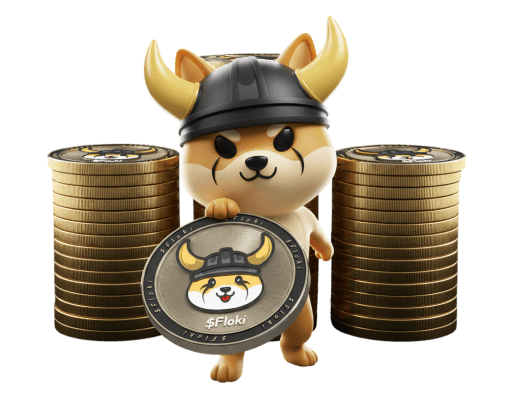
Buying FLOKI in the UK: A Complete Guide
Community-driven cryptocurrencies frequently capture market attention. FLOKI, originally inspired by Elon Musk's Shiba Inu, has transitioned from a meme coin into a project with distinct utility and a dedicated user base. UK residents looking to acquire FLOKI need a straightforward and secure approach. The following outlines how to navigate exchanges, make a purchase safely, and manage digital assets effectively.

Exploring the FLOKI Ecosystem
FLOKI positions itself as a utility-focused asset rather than a simple meme coin. Branded as 'The People's Cryptocurrency', the project rests on three pillars: community, utility, and charitable initiatives. The surrounding ecosystem features Valhalla, a play-to-earn NFT gaming metaverse; FlokiFi, a collection of decentralised finance products; and the University of Floki, a dedicated platform for cryptocurrency education. Recognising these components helps contextualise the token's broader digital ecosystem.
Selecting a Trading Platform in the UK
UK investors generally choose between two primary types of platforms when purchasing digital assets.
Centralised Exchanges
A centralised exchange operates similarly to a traditional stockbroker. Platforms such as Kraken, Binance, and OKX provide a regulated environment for buying and selling cryptocurrencies. They allow direct deposits of pounds sterling via UK bank transfers or debit cards. The exchange acts as a custodian, holding the assets on your behalf. This convenience comes with a degree of third-party risk, meaning you rely on the platform's security rather than controlling the private keys yourself.
Decentralised Exchanges
A decentralised exchange functions as a peer-to-peer marketplace without a central authority. Using platforms like Uniswap or PancakeSwap requires setting up a personal cryptocurrency wallet, such as MetaMask. This method offers complete self-custody over digital assets. It also involves managing a private seed phrase and paying variable network gas fees. Experienced users often prefer this route, whereas newcomers typically find centralised exchanges more accessible.
How to Buy FLOKI on a Centralised Exchange
The core process for purchasing cryptocurrency remains consistent across most major exchanges.
Choose an exchange that operates in the UK and lists FLOKI. Create an account and immediately enable two-factor authentication for added security.
Complete identity verification to comply with UK financial regulations. This involves submitting a photo of a government-issued ID, such as a passport or driving licence.
Deposit pounds sterling by navigating to the wallet section. Select a UK bank transfer via Faster Payments or a debit card to fund the account.
Search for the FLOKI trading pair in the markets area. A direct fiat pair, such as FLOKI/GBP, offers the most straightforward purchasing route.
Execute the transaction by selecting a market order. Enter the designated spend amount, review the applicable trading fees, and confirm the purchase.
Securing Digital Assets with Cryptocurrency Wallets
Leaving digital assets on a centralised exchange offers trading convenience, but moving them to a personal wallet enhances security for long-term holding.
Software wallets, known as hot wallets, operate as applications on computers or smartphones. Examples like MetaMask and Trust Wallet remain connected to the internet, offering quick access at the cost of increased exposure to online threats. Hardware wallets, or cold wallets, are physical devices like Ledger or Trezor that store private keys entirely offline. These devices provide superior protection against hacking by signing transactions internally, preventing private keys from ever reaching the internet. Transferring funds to a non-custodial wallet ensures absolute ownership over the digital assets.
Managing Your Cryptocurrency Portfolio
Acquiring digital assets requires ongoing attention to market trends and security protocols. The cryptocurrency sector evolves rapidly, making continuous education essential. Investors should regularly review their storage methods, monitor project updates within the FLOKI ecosystem, and maintain strict operational security. Responsible participation in digital finance depends entirely on careful research and informed decision-making.
This material is provided for informational purposes only and does not constitute financial or investment advice. Cryptocurrency markets are highly volatile. Always conduct independent research and consult a certified financial advisor before committing funds to digital assets.
Frequently asked questions
-
What is the difference between FLOKI on Ethereum and BNB Chain?
FLOKI operates as a multi-chain token on both Ethereum (ERC-20) and BNB Chain (BEP-20). While they function as the exact same asset, users withdrawing to a private wallet must ensure they select the corresponding network to avoid losing funds. -
Can I buy FLOKI directly with GBP?
Yes. Several major UK-compliant exchanges offer direct FLOKI/GBP trading pairs, allowing users to purchase the token using funds deposited from a UK bank account without preliminary currency conversions. -
What are the primary risks of buying FLOKI?
FLOKI carries high volatility risk typical of meme-originated cryptocurrencies. Its market value fluctuates sharply based on speculative trading, community sentiment, and broader macroeconomic factors. -
Do I need a special wallet for FLOKI?
No specific wallet is required. Any non-custodial wallet that supports the Ethereum or BNB Chain networks, such as MetaMask, Trust Wallet, Ledger, or Trezor, will securely store the tokens. -
What is a transaction fee or gas fee?
A gas fee is the network charge required to process blockchain transactions. Centralised exchanges typically charge a flat trading fee, whereas moving funds to private wallets incurs variable network fees determined by blockchain congestion.
Crypto guides
Beginner-frendly
Finding a Kriptomat Alternative in 2026
 Alexey Morozov
|
Alexey Morozov
|
Phemex & MiCA: Your 2026 Guide to EU-Compliant Crypto Alternatives
 Oliver Grant
|
Oliver Grant
|
Navigating the MiCA Landscape: A Guide to Bitunix Alternatives for EU Users
 Farouk Ahmed
|
Farouk Ahmed
|
