

Forging Scarcity: The Strategic Genius of Floki's Token Burn
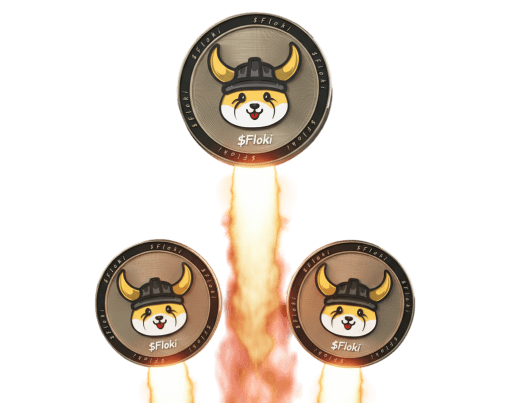
The Principle of Token Burning: Creating Value by Reducing Supply
Value creation in cryptocurrency often involves a counterintuitive process: strategic removal. This mechanism, known as a token burn, serves as a fundamental tool for managing a project's economic model, or tokenomics. A token burn permanently removes tokens from circulation by sending them to an inaccessible public wallet, known as a null address or eater address. Because this wallet lacks private keys, any tokens sent there become irretrievable, reducing the available supply.
Scarcity drives this economic principle. Decreasing the total number of available tokens means each remaining token represents a larger share of the project. This deflationary pressure helps counteract inflation. Much like a limited edition art print, reducing the number of units can increase the value of each remaining piece. Engineered scarcity supports a token's value, builds investor confidence, and signals the long-term commitment of the project's team and community.

Floki's Burn Mechanism in Action
Floki integrates various mechanisms to reduce its token supply over time. Early iterations featured an automated burn function tied to a cross-chain bridge, which collected a small fee on transactions. The project has since retired that bridge, but the core technical process remains intact, now driven by community-governed initiatives.
The burn process involves transferring designated tokens to a publicly verifiable dead wallet: 0x000000000000000000000000000000000000dEaD. Many blockchain projects use this standard null address. Without private keys, any asset sent there locks permanently. The blockchain records all burn transactions, enabling anyone to verify authenticity via block explorers like Etherscan or BscScan. This transparency builds trust by proving the burned tokens remain permanently inaccessible.
Community Governance at the Core
Floki links its token burn strategy directly to decentralized governance. A central team does not make unilateral decisions regarding major burns. Instead, the community initiates, debates, and approves these events through the Floki Decentralized Autonomous Organization, or DAO. This process embodies the Web3 ethos by empowering token holders with a vested interest in the project's success.
When members introduce a proposal for a significant burn, FLOKI token holders cast votes using their tokens. This democratic approach ensures any action affecting the token supply aligns with the collective will of the community. It transforms a standard technical maneuver into a clear statement of community consensus and long-term vision. The governance model fosters an engaged user base and highlights Floki's evolution into a mature, community-centric ecosystem.
The Economic Impact: More Than Just Scarcity
The economic and psychological effects of a token burn extend beyond supply reduction. While scarcity remains the primary goal, influencing market sentiment and investor confidence holds equal importance. A large, community-approved burn sends a strong market signal, demonstrating shared belief in the token's future and a commitment to combating inflation. This strategy attracts new investors seeking projects with sustainable tokenomics.
A deflationary model helps establish a more stable price floor over time. As supply decreases, the selling pressure required to drive the price down theoretically increases. Complex market dynamics mean this does not guarantee price appreciation, but it fundamentally strengthens the economic foundation of the token. This proactive value management makes FLOKI an attractive asset for investors navigating volatile cryptocurrency markets.
Fueling the Utility Engine
Floki's burn strategy actively supports its expanding utility ecosystem. Long-term viability depends on real-world use cases rather than scarcity alone. Floki builds this utility through flagship projects like the Valhalla Play-to-Earn NFT metaverse game, various decentralized finance products, and educational platforms.
The token burn mechanism serves as a catalyst for this ecosystem. Making FLOKI a deflationary asset enhances its status as the native currency across these platforms. In Valhalla, players use FLOKI for in-game purchases. A deflationary model means the currency players earn and hold can gain purchasing power over time, improving the overall gaming experience. This symbiotic relationship remains essential: ecosystem utility drives demand for the token, while deflationary tokenomics enhance the value of network participation.
A Calculated Strategy for Long-Term Viability
The Floki token burn operates as a sophisticated instrument woven into the economic and governance fabric of the project. By combining community-ratified burn events with a transparent technical process, Floki creates a powerful deflationary force.
This strategy creates verifiable scarcity, fosters investor confidence, and enhances the intrinsic value of the FLOKI token within its utility-driven ecosystem. The central role of the Floki DAO highlights a shift toward a decentralized, community-governed project with a clear vision. In an evolving cryptocurrency landscape, this strategic approach to tokenomics positions Floki for long-term endurance and growth.
Disclaimer: This article is for informational purposes only and does not constitute financial advice. Conduct independent research and seek professional advice before making any investment decisions.
Frequently asked questions
-
How are major Floki token burns initiated?
Community governance initiates major Floki token burns. Members submit a formal proposal to the Floki DAO, allowing FLOKI token holders to vote on the burn approval. This ensures a decentralized process reflecting the will of the community. -
Does burning tokens guarantee a price increase?
No. Burning tokens reduces supply and creates deflationary pressure, which positively influences value. However, market sentiment, trading volume, and project developments also dictate a token's price. A burn strengthens the economic model but cannot guarantee specific price appreciation. -
What is the difference between circulating supply and total supply?
Total supply includes all tokens ever created minus those verifiably burned. Circulating supply represents the number of tokens currently available to the public and actively trading on the market. Token burns permanently reduce both metrics. -
How can I verify a Floki token burn transaction?
The blockchain records all burn transactions publicly. You can verify them using block explorers like Etherscan for Ethereum or BscScan for BNB Chain by searching for transfers sent to the official null address, ending in dEaD. -
Is the Floki burn mechanism sustainable?
Yes, the strategic and community-driven nature of the mechanism ensures its sustainability. It is a controlled tool deployed by the Floki DAO only when strategically necessary, providing a flexible policy for managing long-term economic health.
Crypto guides
Beginner-frendly
Finding a Kriptomat Alternative in 2026
 Alexey Morozov
|
Alexey Morozov
|
Phemex & MiCA: Your 2026 Guide to EU-Compliant Crypto Alternatives
 Oliver Grant
|
Oliver Grant
|
Navigating the MiCA Landscape: A Guide to Bitunix Alternatives for EU Users
 Farouk Ahmed
|
Farouk Ahmed
|
