


Den ultimate guiden til memecoin-handel
Fra internettspøker til et marked verdt milliarder av dollar. Forstå eiendelene som drives av hype, fellesskap og ekstrem volatilitet.
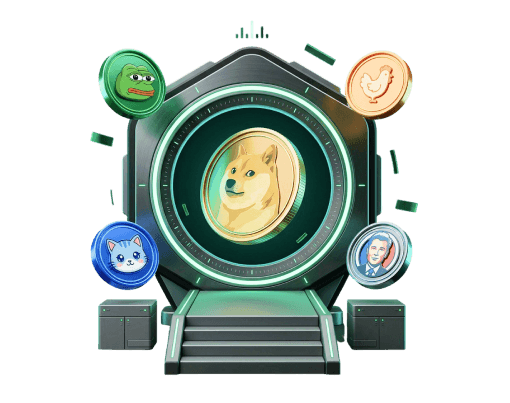
Hva er memecoins? Fra internettspøker til digitale eiendeler
Memecoins er en klasse digitale tokener født ut av internettkultur og virale trender. I motsetning til grunnleggende kryptovalutaer bygget på spesifikke blokkjedeprotokoller med detaljerte hvitbøker (whitepapers), begynner disse eiendelene ofte som spøker. Deres definerende egenskap er en generell mangel på iboende verdi eller tydelig nytteverdi. Prisen deres drives nesten utelukkende av stemningen i et entusiastisk nettsamfunn og hype på sosiale medier. Dette skiller dem fra eiendeler som Bitcoin eller stablecoins, som er knyttet til virkelige valutaer. Mange memecoins er i bunn og grunn kopimynter, som lanseres på eksisterende DeFi-plattformer med lav inngangsbarriere. De tar i bruk fengende tickersymboler og bilder fra populære memes for å tiltrekke seg oppmerksomhet raskt.
Dette refererer til en eiendels fundamentale verdi, basert på dens nytteverdi, teknologi eller kontantstrøm. De fleste memecoins har liten eller ingen iboende verdi, noe som gjør prisen svært spekulativ og avhengig av offentlighetens oppfatning.
Kjøp krypto raskt, enkelt og sikkert med Switchere!

Skann for å laste ned appen
En kort historie om memecoin-fenomenet
Historien om memecoins starter med deres humoristiske opprinnelse som spøker eller parodier på det bredere kryptomarkedet. Originalen, Dogecoin, ble skapt i 2013 for å gjøre narr av bransjens seriøse tone. I årevis forble den en nisjekuriositet. Alt endret seg under spredningen av memecoins i 2021, en periode med intens hype på nettet der utallige nye tokener dukket opp. Denne epoken var preget av ville prissvingninger og den kortvarige populariteten til mange prosjekter. Suksessen til én memecoin inspirerte ofte dusinvis av imitatorer, en syklus drevet av hvor enkelt skapere med begrenset teknisk erfaring kunne lansere nye tokener. Dette demonstrerte internetts innflytelse på finans, selv om markedet til slutt sto overfor et betydelig memecoin-krakk i 2021. Noen tokener opplever en oppblomstring basert på aktuelle hendelser, for eksempel diskusjoner rundt Donald Trumps seier og dens potensielle markedseffekter.
Markedet kan bevege seg basert på en enkelt tweet eller en viral video, noe som fremhever hvor frakoblet prisutviklingen kan være fra enhver underliggende fundamental virkelighet.
Hvordan memecoin-handel fungerer på en plattform
Å skaffe seg memecoins skjer vanligvis på en sentralisert børs eller en desentralisert børs. På en plattform som Revolut-appen er prosessen strømlinjeformet for brukerne. En person kan navigere til krypto-fanen, søke etter spesifikke meme-tokener som Dogecoin, og gjennomføre et kjøp. Disse transaksjonene kan ofte finansieres med fiat-valuta eller ved å bytte andre kryptovalutabeholdninger, for eksempel stablecoins som USDC eller USDT. På en desentralisert børs er prosessen mer kompleks, og krever at en bruker kobler til sin personlige digitale lommebok og samhandler direkte med Ethereum-blokkjeden eller andre nettverk. Denne metoden gir mer direkte kontroll over tokener, men har en brattere læringskurve sammenlignet med det brukervennlige grensesnittet til en sentralisert tjeneste.
Vanlige strategier og økonomiske aktiviteter i memecoin-området
Memecoin-økosystemet har flere økonomiske aktiviteter, selv om de medfører betydelig risiko. Noen deltakere driver med staking, der de låser tokenene sine for å bidra til å sikre et nettverk og mottar belønningstokener i retur. Andre gir midler til likviditetspooler på desentraliserte børser, en praksis kjent som yield farming, for å legge til rette for handel og tjene en andel av handelsgebyrene. Dette kan føre til renters rente-avkastning på tokener hvis tokenets verdi øker. Imidlertid er området også fullt av høyrisiko finansielle ordninger. Deltakere må være oppmerksomme på pump-and-dump-ordninger, der grupper koordinerer for å blåse opp en pris før de selger, og rene Ponzi-svindler forkledd som legitime prosjekter. Å forstå en mynts markedsverdi og plattformens handelsgebyrer er grunnleggende elementer i risikostyring i dette volatile området.
Viktige DeFi-konsepter
Staking: Å låse kryptovalutabeholdninger for å støtte en blokkjedes operasjoner i bytte mot belønninger.
Yield Farming: Å låne ut eller stake kryptoaktiva i en desentralisert finansprotokoll for å generere høy avkastning eller belønninger i form av ekstra kryptovaluta.
Likviditetspooler (Liquidity Pools): Folkefinansierte pooler av kryptovalutaer låst i en smartkontrakt, brukt til å legge til rette for handler på en desentralisert børs.
Ikonene i memecoin-verdenen: Dogecoin, Shiba Inu og videre
Dogecoin står som den ubestridte originalen, men markedet har utvidet seg betydelig. Shiba Inu dukket opp som en stor utfordrer, merket seg selv som 'Dogecoin-morderen' og utviklet et økosystem som inkluderer andre tokener. Mer nylig opplevde Pepe coin, basert på 'Pepe the Frog'-memet, en kometkarriere, noe som demonstrerer at nye aktører fortsatt kan fange markedets oppmerksomhet. Listen fortsetter med utallige andre som Bonk, Floki Inu, Akita Inu og Baby Doge Coin. Populariteten til disse myntene forsterkes ofte av profilerte personer som Elon Musk, hvis innlegg på sosiale medier historisk sett har forårsaket massive prisbevegelser. Dette står i skarp kontrast til skjebnen til beryktede prosjekter som Bitconnect eller SafeMoon, som fungerer som advarende eksempler på markedsmanipulasjon og kollaps.
| Memecoin | Opprinnelses-meme | Nøkkelegenskap |
| Dogecoin (DOGE) | Doge (Shiba Inu-hund) | Den originale parodimynten, lansert i 2013. |
| Shiba Inu (SHIB) | Hunderasen Shiba Inu | Posisjonert som et 'eksperiment' i desentralisert samfunnsbygging. |
| Pepe Coin (PEPE) | Pepe the Frog | Kjent for sin raske prisøkning i 2023 uten noen oppgitt nytteverdi. |
Kraften i hype: Fellesskap, sosiale medier og viralitet
Verdsettelsen av memecoins handler mindre om teknologi og mer om kraften i nettkultur. Prisene deres er uløselig knyttet til hype på sosiale medier og engasjement i fellesskapet. En viral tweet, et populært meme eller en kjendistilknytning kan utløse massivt kjøpepress, drevet av en kraftig psykologisk faktor: FOMO, eller frykten for å gå glipp av noe (Fear Of Missing Out). Etter hvert som trendene på sosiale medier skifter, gjør også markedets oppmerksomhet det, noe som fører til dramatiske svingninger i markedsverdi. Innenfor sine dedikerte fellesskap kan disse tokenene fungere som en form for sosial valuta, som representerer medlemskap og delt identitet. Denne fellesskapsdrevne utviklingsmodellen betyr at narrativet og markedsføringen ofte er folkefinansiert (crowdsourced) fra støttespillere, noe som skaper en kraftig tilbakemeldingssløyfe av viralt nettinnhold som gir næring til spekulative investeringer.
Navigere i gråsonen: Regulering og sikkerhetsbekymringer
Memecoins opererer i et komplekst og ofte udefinert regulatorisk landskap. Mange globale myndigheter ser på dem som et svært spekulativt, uregulert finansielt produkt, og noen sammenligner deltakelse med kasinolignende spekulasjon. I USA har Securities and Exchange Commission (SEC) satt i gang undersøkelser av ulike kryptovalutaprosjekter, og det pågår en debatt om hvorvidt visse tokener bør klassifiseres som verdipapirer. På samme måte har Storbritannias Advertising Standards Authority (ASA) slått ned på villedende kryptoannonser. Denne regulatoriske usikkerheten skaper betydelige sikkerhetsrisikoer og potensielle interessekonflikter. Uten en klar regulatorisk struktur for kryptovaluta, sitter deltakerne igjen med lite beskyttelse. Diskusjonen rundt potensielle memecoin-ETF-søknader kompliserer saken ytterligere, da det kan bringe disse eiendelene inn i mer tradisjonelle finansielle sfærer.
Høy risiko, høy volatilitet: De uunngåelige farene ved memecoins
Den mest definerende egenskapen til memecoin-markedet er ekstrem prisvolatilitet. Prisene kan stige eller kollapse med enorme prosenter i løpet av få timer. Dette miljøet er grobunn for svindel. Rug pulls, en type exit-svindel der utviklere forlater et prosjekt etter å ha samlet inn midler, er alarmerende vanlig. Pump-and-dump-ordninger er også utbredt. En viktig medvirkende faktor til denne risikoen er mangelen på praktiske bruksområder eller iboende verdi for de fleste tokener. Verdien deres er utelukkende basert på sentiment. Videre lider mange nyere tokener av likviditetsproblemer, noe som betyr at det kan være vanskelig å selge beholdninger uten å få prisen til å krasje. Selv for tilsynelatende legitime prosjekter kan potensielle sårbarheter i smartkontraktene deres utgjøre betydelige sikkerhetsrisikoer.
Utviklere tapper midler og forlater prosjektet.
Prisene drives av hype, ikke fundamentale forhold.
Å selge store mengder kan være vanskelig eller umulig.
Ofte stilte spørsmål
-
Er memecoins en seriøs investering?
Memecoins regnes generelt ikke som tradisjonelle investeringer. De er svært spekulative eiendeler hvis verdi primært drives av trender på sosiale medier og fellesskapets sentiment, snarere enn underliggende finansielle eller teknologiske fundamentale forhold. Deres ekstreme volatilitet gjør dem usedvanlig risikable. -
Hvordan skiller memecoins seg fra Bitcoin?
Den primære forskjellen ligger i deres formål og design. Bitcoin ble skapt som en desentralisert digital valuta med et fast tilbud, med mål om å være en verdioppbevaring og et byttemiddel. Memecoins skapes vanligvis som en form for kommentar eller underholdning, henter sin verdi fra viral nettkultur, og har ofte ingen spesifikk nytteverdi. -
Hva er en 'rug pull' i sammenheng med memecoins?
En rug pull er en type svindel der utviklerne av et nytt kryptovalutaprosjekt tiltrekker seg kjøpere, driver opp tokenets pris, og deretter brått forlater prosjektet. De selger unna sine egne beholdninger, tapper prosjektets midler (likviditetspool) og etterlater andre token-eiere med verdiløse eiendeler. -
Hvorfor er memecoin-priser så volatile?
Prisene deres er ekstremt volatile fordi de mangler iboende verdi eller fundamentale forhold for å forankre prisen. I stedet er verdien deres nesten utelukkende basert på offentlighetens oppfatning, hype på sosiale medier og støtte fra influensere. Dette sentimentet kan endre seg raskt, noe som fører til massive og uforutsigbare prissvingninger. -
Kan man virkelig bli rik av å handle memecoins?
Selv om det finnes historier om tidlige deltakere som opplever enorm avkastning, er disse tilfellene unntak. Realiteten er at for hver person som tjener penger, taper et stort antall mennesker penger på grunn av den ekstreme volatiliteten, pump-and-dump-ordninger og rug pulls. Markedet er utrolig uforutsigbart, og risikoen for betydelig økonomisk tap er svært høy.
Kryptoguider
Nybegynnervennlig
Hvordan finansmarkedene fungerer En objektiv gjennomgang av mekanismene som driver moderne prisbevegelser og markedsaktivitet.
 Farouk Ahmed
|
Farouk Ahmed
|
Forstå Mekanikken bak Intradaghandel Et dypdykk i systemene, teknologien og metodene som driver daglige transaksjoner i aksjemarkedet.
 Alexey Morozov
|
Alexey Morozov
|
Strukturering av overskudd: Fra personlig konto til selskapsform En detaljert gjennomgang av mekanismene for å håndtere handelsaktiviteter og kapital gjennom en profesjonell selskapsstruktur.
 Oliver Grant
|
Oliver Grant
|

Nettstedet vårt bruker informasjonskapsler. Våre retningslinjer for informasjonskapsler