


¿Cansado de las Altas 'Gas Fees'? Encuentra las Redes Cripto Más Baratas
Una guía experta para entender los costes de transacción e identificar las blockchains con las comisiones más bajas para trading, DeFi y NFTs.
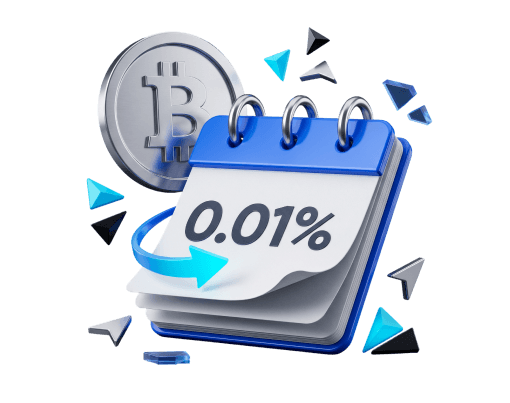
¿Qué son las comisiones de blockchain y por qué importan?
Cada acción en una blockchain, desde enviar fondos hasta interactuar con una aplicación, tiene un coste. Esta comisión, conocida como 'gas', cumple una doble función: previene el spam en la red e incentiva a los validadores o mineros a procesar las transacciones y asegurar el sistema. Cuando la red principal de Ethereum (ethereum mainnet) ganó popularidad, sus gas fees se dispararon, haciendo que muchos usos fueran económicamente inviables. Los bajos transaction costs son cruciales para que las defi apps y los nfts sean accesibles para todos.
Es la comisión que pagan los usuarios para compensar la energía computacional requerida para procesar y validar transacciones en la blockchain. Actúa como el combustible de la red.
Unas comisiones bajas son la base para que los micropayments sean una realidad y para la mainstream adoption del digital money. Cada smart contract consume gas, y cuando la demanda supera la oferta de block space, los precios suben y los confirmation times se alargan.
¡Compre criptomonedas de forma rápida, fácil y segura con Switchere!

Escanea para descargar la aplicación.
La sala de máquinas: ¿Qué impulsa realmente los costes de transacción?
El coste de una transacción no es aleatorio; está determinado por factores técnicos y económicos. El mecanismo de consenso es fundamental. Los sistemas proof-of-stake (PoS) son, por lo general, más eficientes y escalables que los de Prueba de Trabajo (PoW), lo que se traduce en comisiones más bajas. El principal culpable de las altas comisiones es la network congestion: un simple desequilibrio entre la alta demanda y la oferta limitada de espacio en los bloques. Parámetros como el block size y las transacciones por segundo (tps) definen la capacidad de la red.
- Menor consumo energético.
- Comisiones generalmente más bajas.
- Mayor escalabilidad.
- Mayor consumo energético.
- Propenso a comisiones altas por congestión.
- Menor rendimiento de transacciones.
Cuando se supera esta capacidad, las gas fees se disparan. Estos miner tolls (o recompensas para validadores en PoS) son el incentivo para procesar las transacciones. Para resolver los problemas de scalability, surgieron las layer-2 solutions y la opción de crear custom blockchains o subnets, que ofrecen un control más granular sobre las comisiones.
Rollups de Capa 2: Los gigantes de la escalabilidad
Las soluciones de Capa 2 (L2) son la respuesta más directa a las altas comisiones de Ethereum. En lugar de procesarlo todo en la red principal, los rollups agrupan miles de off-chain transactions en un solo lote y publican una prueba criptográfica en la Capa 1. Esto permite heredar la seguridad de Ethereum mientras se reducen drásticamente los costes. Redes como Arbitrum y Optimism utilizan rollups optimistas, que asumen que las transacciones son válidas a menos que se demuestre lo contrario. En contraste, soluciones como zkSync y StarkNet emplean ZK-rollups, que utilizan pruebas de conocimiento cero para verificar cada lote.
Tipos de Rollups
Rollups Optimistas: Rápidos y compatibles con EVM, pero con periodos de retiro más largos para permitir la impugnación de fraudes.
ZK-Rollups: Ofrecen finalización casi instantánea y mayor eficiencia de datos, pero son tecnológicamente más complejos de implementar.
La mayoría de estas soluciones del ecosistema ethereum l2 son evm-compatible, permitiendo a los desarrolladores migrar sus aplicaciones sin fricción. Estas L2 incluso gestionan sus propios fee markets, que operan de forma mucho más asequible que la red principal.
Comparativa directa de las blockchains de bajas comisiones
Varias blockchains de Capa 1 fueron diseñadas desde su origen para ofrecer alta velocidad y bajo coste. Solana, por ejemplo, alcanza un high throughput gracias a su mecanismo de consenso único, Proof-of-History, manteniendo los transaction costs extremadamente bajos. Avalanche utiliza avalanche subnets, que son blockchains personalizables que permiten a las aplicaciones definir sus propias reglas de comisiones. Incluso Bitcoin tiene su solución de escalado: la lightning network, una Capa 2 diseñada para cross-border payments y micropagos casi instantáneos.
| Red | Mecanismo | Coste por transacción (promedio) | Caso de uso principal |
| Solana | Proof-of-History | < $0.001 | DeFi, NFTs, alto rendimiento |
| Polygon PoS | Proof-of-Stake (Sidechain) | $0.01 - $0.10 | Ecosistema EVM de bajo coste |
| Arbitrum One | Optimistic Rollup (L2) | $0.10 - $0.50 | Escalado de DApps de Ethereum |
| Avalanche (C-Chain) | Proof-of-Stake | $0.01 - $0.20 | Finanzas descentralizadas, Subnets |
Todas estas redes proof-of-stake (o soluciones L2) dependen de validators para su seguridad y operatividad, posicionándose como el estándar para cualquier low gas fee blockchain o low gas fees network que busque competir en el mercado actual.
Cómo elegir la red de bajo coste adecuada para tus necesidades
Elegir una blockchain no se trata solo de encontrar la comisión más baja, sino de hallar el equilibrio correcto entre diferentes factores. Aunque algunas redes ofrecen predictable low fees, podrían hacerlo a costa de una menor decentralization. Al evaluar las distintas low-cost crypto options, es fundamental analizar su modelo de security: ¿quién valida las transacciones y cuán distribuida está la red? Los settlement times también son clave: ¿cuánto tarda una transacción en considerarse definitiva e irreversible?
La comisión más baja no sirve de nada si la red no es segura o no se alinea con los objetivos de tu proyecto. El contexto lo es todo.
La presencia de institutional activity y un ecosistema de desarrolladores activo pueden ser indicadores de la salud y el potencial a largo plazo de una red. Proyectos con requisitos muy específicos pueden incluso beneficiarse de custom blockchains para un control total. Mantenerse informado sobre las próximas tech upgrades es vital en un sector que evoluciona a gran velocidad.
El futuro de las comisiones en blockchain: Qué esperar
La carrera por ofrecer las comisiones más bajas está lejos de terminar; es un campo de batalla clave para la relevancia de la tecnología blockchain. Podemos esperar continuas tech upgrades en todos los frentes, desde mejoras en la eficiencia de los ZK-rollups hasta nuevos modelos de consenso. La competencia entre las Capa 1 alternativas y el floreciente ecosistema ethereum l2 seguirá presionando a la baja los transaction costs para los usuarios. Esta tendencia es indispensable para lograr una verdadera mainstream adoption.
A medida que las comisiones se acerquen a cero, casos de uso que hoy parecen de nicho, como los micropayments en redes sociales o el streaming de dinero, se volverán cotidianos. El objetivo final para muchos desarrolladores es hacer que las comisiones sean tan bajas y predecibles que el usuario final ni siquiera tenga que pensar en ellas, creando una experiencia Web3 sin fricciones y completamente integrada.
Preguntas más frecuentes
-
¿Son menos seguras las blockchains de bajas comisiones?
No necesariamente, pero existe un equilibrio. La seguridad de una blockchain depende de su mecanismo de consenso y del grado de descentralización de sus 'validators'. Redes como las que usan 'dpos' (Delegated Proof-of-Stake) pueden ser más rápidas y baratas pero confían la seguridad en un grupo más pequeño de validadores, lo que algunos consideran un compromiso. Las soluciones de Capa 2, en cambio, heredan la seguridad de la red principal subyacente, como Ethereum. -
¿Cuál es la forma más barata de enviar transferencias de stablecoins?
Generalmente, la forma más económica es usar una solución de Capa 2 (L2) como Arbitrum u Optimism, o una blockchain de Capa 1 de bajo coste como Solana o Polygon PoS. Las 'stablecoin transfers' en estas redes suelen costar una fracción de céntimo, en comparación con los varios dólares que pueden costar en la red principal de Ethereum durante momentos de alta congestión. -
¿Puedo usar mi monedero de Ethereum en estas otras redes?
Sí, en la mayoría de los casos. Muchas de estas blockchains y redes de Capa 2 son 'evm-compatible', lo que significa que son compatibles con la Ethereum Virtual Machine. Esto te permite usar monederos populares como MetaMask o Trust Wallet simplemente añadiendo la nueva red en la configuración. Tu dirección de monedero será la misma en todas las redes compatibles con EVM. -
¿Cómo compro el token nativo de una red para pagar las comisiones de gas?
El 'network's native token' (por ejemplo, MATIC para Polygon, SOL para Solana) es necesario para pagar las comisiones. La forma más sencilla de obtenerlos es comprarlos en 'major exchanges' de criptomonedas como Coinbase, Binance o Kraken. Una vez comprados, puedes retirarlos del exchange a tu monedero personal en la red correspondiente. -
¿Existen blockchains con cero comisiones?
Sí, pero operan con modelos diferentes. Proyectos como Nano (XNO) e IOTA utilizan arquitecturas distintas a la blockchain tradicional (block-lattice y Tangle, respectivamente) que eliminan las comisiones. En lugar de que los mineros/validadores sean pagados con comisiones, la red se asegura de otras maneras. Estos modelos son excelentes para 'micropayments' y se acercan a la idea original de 'peer-to-peer cash', pero tienen sus propios desafíos en cuanto a descentralización y protección contra el spam.
Guías de criptografía
Principiante-frendly
La Mecánica del Trading Moderno Un análisis objetivo sobre la arquitectura de los mercados financieros y el software de inversión.
 Farouk Ahmed
|
Farouk Ahmed
|
Mecánica del Trading Intradía Una mirada técnica a la ejecución rápida, la liquidez y la gestión del riesgo en los mercados diarios.
 Alexey Morozov
|
Alexey Morozov
|
Estructuración de Ganancias de Trading Bajo un EIN Guía detallada sobre la transición de operaciones individuales a entidades comerciales formales y la gestión corporativa del capital.
 Oliver Grant
|
Oliver Grant
|

Nuestro sitio web utiliza cookies. Nuestra política de cookies