

From Meme to Main Street: The Ultimate Guide to Spending Dogecoin
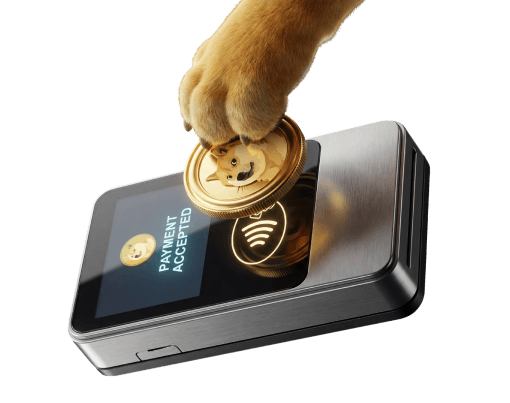
Why Spend Dogecoin? The Practical Perks of the People's Crypto
Although often viewed as a community-driven investment, Dogecoin functions efficiently as a transactional currency. Spending DOGE instead of traditional fiat currency offers several distinct advantages. Dogecoin network fees are typically lower than those of Bitcoin or Ethereum, making it practical for small, everyday purchases. The blockchain also features one-minute block times, allowing transactions to confirm faster than many other major cryptocurrencies. This speed ensures a smoother checkout experience for retail buyers. These technical benefits, combined with strong community support, position Dogecoin as a viable digital payment method rather than just a speculative asset.

How Dogecoin Payments Actually Work: Direct vs. Third-Party
When a business accepts Dogecoin, the transaction processes in one of two ways. Understanding this technical distinction ensures a smoother checkout.
Direct Wallet-to-Wallet Payments
This method involves a direct peer-to-peer cryptocurrency transaction. The merchant operates a Dogecoin wallet, and buyers send funds directly to that address. The business manages and holds the digital asset. Tesla uses this model, providing a specific wallet address and an exact DOGE amount for purchasing select merchandise. The entire settlement happens directly on the public blockchain.
Third-Party Payment Processors
Most major retailers rely on intermediary services like BitPay or Flexa rather than holding cryptocurrency on their balance sheets. At checkout, buyers select the crypto payment option and interact with a payment gateway. Users send Dogecoin to the processor address. The intermediary instantly converts the cryptocurrency into fiat currency, such as US dollars, and deposits it into the merchant account. This system shields retailers from market volatility while expanding spending options for users. Mobile applications like SPEDN use a similar approach by generating scannable barcodes for seamless in-store checkout.
Where to Spend Dogecoin: A Categorized Guide
The number of merchants accepting Dogecoin continues to grow, largely driven by flexible payment processors. Shoppers can spend DOGE across several major retail categories.
Technology and Electronics
Tech-focused retailers pioneered cryptocurrency adoption. Consumers can buy computer hardware and electronics from Newegg using Dogecoin via BitPay. Web service providers like Namecheap also accept direct transfers for domain registration and web hosting.
Automotive and Merchandise
High-profile corporate adoption has showcased Dogecoin utility. Tesla accepts the cryptocurrency for select online merchandise and specific Supercharger station payments.
Entertainment and Media
The entertainment sector offers multiple spending avenues. Moviegoers can purchase tickets and concessions online at AMC Theatres using the BitPay integration. Digital consumers can also pay for Sling TV subscriptions or tip content creators on Twitch using the asset.
Retail and Gift Cards
Intermediary platforms multiply cryptocurrency purchasing power. While big-box stores may not process direct blockchain transfers, shoppers can use BitPay or the SPEDN app at major retailers like GameStop, Petco, and Ulta Beauty. Alternatively, buying digital gift cards with Dogecoin unlocks thousands of additional storefronts for everyday shopping.
Sports and Community
Professional sports franchises have also integrated digital assets. The NBA Dallas Mavericks accept Dogecoin for both game tickets and official team merchandise.
Beyond the Checkout: The Dogecoin Community Economy
Dogecoin utility extends beyond retail commerce. Its origins as a community-centric digital asset drive significant peer-to-peer transaction volume. Social tipping remains a primary use case. Platforms like Reddit and X support automated bots that let users send small amounts of Dogecoin to reward high-quality content. This micro-transaction culture reinforces the core ethos of the community and highlights the efficiency of the network for low-cost, global value transfer.
Conclusion: Dogecoin's Journey from Joke to Viable Currency
Spending Dogecoin serves as a practical reality in modern digital commerce. While direct merchant integration remains selective, third-party payment processors bridge the gap between the blockchain and traditional retail. By leveraging these payment gateways, users can exchange DOGE for a broad range of goods and services. Whether sending funds directly to a merchant, using mobile applications, or purchasing retail gift cards, the avenues for cryptocurrency spending continue to multiply. As retail infrastructure matures, Dogecoin demonstrates lasting utility in the digital payment ecosystem.
This article is for informational purposes only and does not constitute financial advice. Readers should conduct independent research and consult a certified financial professional before making any digital asset investments or purchases.
Frequently asked questions
-
Are Dogecoin payments anonymous?
Dogecoin transactions are pseudonymous, not anonymous. Every transfer is permanently recorded on the public blockchain and linked to specific wallet addresses. While real-world identities are not directly attached by default, blockchain analysis and exchange verification can trace transactions to individual users. -
What happens if I accidentally overpay for an item with Dogecoin?
Cryptocurrency transactions are irreversible. You cannot initiate a standard bank chargeback. If an overpayment occurs, recovering the excess funds depends entirely on the merchant or the payment processor refund policy. Users must carefully verify the exact transfer amount before broadcasting the transaction. -
Are Dogecoin transactions instant?
Dogecoin transactions are relatively fast but not instant. The network requires a specific number of block confirmations to secure the payment, which typically takes a few minutes. While significantly faster than Bitcoin, it does not match the immediate settlement of a traditional credit card network. -
Why do most companies avoid accepting DOGE directly?
Direct corporate adoption faces hurdles like price volatility, regulatory uncertainty, and complex tax accounting. Managing a secure corporate crypto wallet also requires specialized technical infrastructure. Payment processors bypass these issues by instantly converting the cryptocurrency into stable fiat currency for the merchant. -
Can I use Dogecoin for everyday purchases like groceries?
Most supermarkets do not process direct cryptocurrency transactions. However, shoppers can use intermediary services like BitPay to purchase digital grocery store gift cards using DOGE. Once purchased, these gift cards function normally at the standard retail checkout register.
Crypto guides
Beginner-frendly
Finding a Kriptomat Alternative in 2026
 Alexey Morozov
|
Alexey Morozov
|
Phemex & MiCA: Your 2026 Guide to EU-Compliant Crypto Alternatives
 Oliver Grant
|
Oliver Grant
|
Navigating the MiCA Landscape: A Guide to Bitunix Alternatives for EU Users
 Farouk Ahmed
|
Farouk Ahmed
|
