Convert
Japanese yen (JPY) to RLC (RLC) Instantly
Purchase RLC (RLC) with Japanese yen (JPY) easily at Switchere and benefit from fast, secure transactions.
About
RLC (RLC)
iExec RLC (RLC) emerges as a pioneering decentralized network for cloud computing, creating a global marketplace where users can monetize their computing power, datasets, and applications. Built on the Ethereum blockchain, this digital asset platform addresses the limitations of traditional Web2 cloud services by offering on-demand access to compute resources in a secure, peer-to-peer manner. The core of its Web3 infrastructure lies in connecting resource providers with users, facilitating complex off-chain computation for dApps, AI model training, and big data processing. This approach democratizes access to powerful computational tools, fostering innovation across various high-demand sectors.
The technical foundation of iExec is its unique consensus mechanism, Proof-of-Contribution (PoCo), which validates the result of any off-chain computation before it's recorded on-chain. To ensure data privacy and cryptographic security, the platform heavily utilizes Trusted Execution Environments (TEEs), such as Intel SGX, for confidential computing. This allows sensitive data to be processed without being exposed to the resource provider. The native RLC utility token is central to the ecosystem's tokenomics; it functions as the exclusive medium of exchange for all transactions on the iExec marketplace, rewarding workers and enabling staking within worker pools.
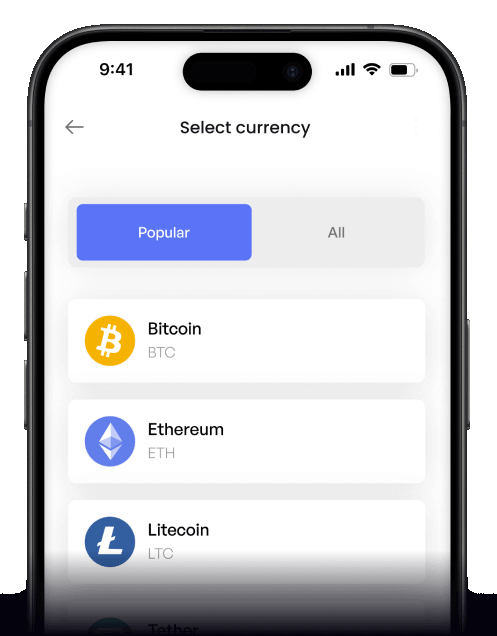
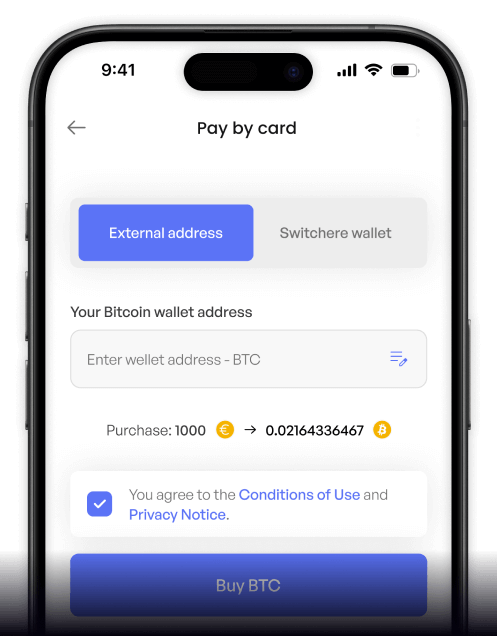
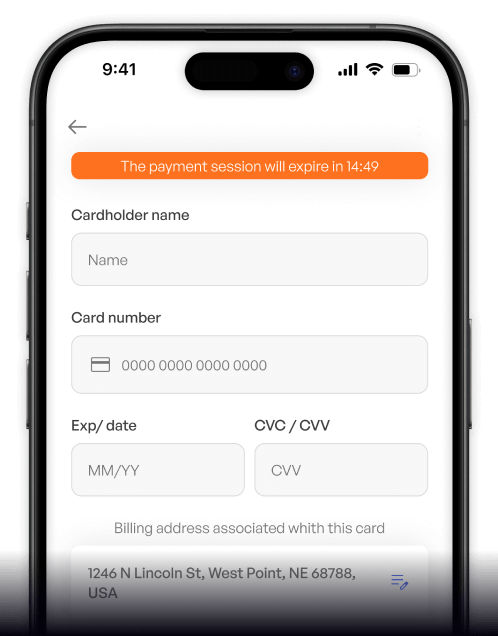
How to Buy RLC (RLC)
Popular Coins for Japanese yen (JPY)
Other Coins for Japanese yen (JPY)
Frequently asked questions
-
What exactly is the JPY/RLC trading pair on a cryptocurrency exchange?
The JPY/RLC pair represents a direct market for purchasing the iExec RLC token using Japanese Yen. It acts as a crucial fiat on-ramp, allowing you to exchange JPY for RLC, the native ERC-20 utility token of the iExec decentralized cloud computing network. This digital asset is essential for accessing on-demand computing power and services within the iExec marketplace, which is secured by its Proof-of-Contribution (PoCo) consensus mechanism. -
What are the common methods to acquire RLC tokens with a JPY bank transfer?
To acquire RLC with JPY, you typically need to use a regulated cryptocurrency exchange that operates in Japan and supports JPY deposits. The process involves completing KYC/AML compliance, linking your Japanese bank account, and then initiating a fiat deposit via a local bank transfer. Once your JPY balance is credited on the exchange, you can place an order on the JPY/RLC order book to purchase the RLC tokens. -
Beyond trading, what is the core utility of the RLC token within the iExec ecosystem?
RLC is the mandatory medium of exchange on the iExec marketplace for decentralized cloud computing. Its primary utility is to pay for computing resources like CPU, GPU, and datasets. Users spend RLC to run computations, while providers of these resources (worker pools) earn RLC. Additionally, RLC is used for staking by workers to be eligible for jobs, which secures the network through the Proof-of-Contribution protocol, ensuring correct execution of off-chain computations. -
What types of fees should I expect when executing a JPY to RLC transaction?
Several fees can apply. First, there might be a JPY deposit fee from your bank or the exchange. Second, the cryptocurrency exchange will charge a trading fee (either a 'maker' or 'taker' fee) for the conversion itself. Finally, if you move your RLC to a personal digital wallet, you will incur a withdrawal fee, which critically includes the Ethereum network's gas fees (paid in Gwei), as RLC is an ERC-20 token requiring a blockchain transaction. -
How can I securely store my RLC tokens after purchasing them with JPY?
For optimal security, it's highly recommended to move your RLC from the exchange to a personal, non-custodial digital wallet where you control the private keys. As RLC is an ERC-20 token, you can use any Ethereum-compatible wallet. For frequent use in the iExec ecosystem, a browser-based wallet like MetaMask is suitable. For long-term holding or large amounts, a hardware wallet (cold storage) like a Ledger or Trezor offers the highest level of security against online threats.