


- Casa
- Convertidor
- Colombian peso (COP) a ssv.network (SSV)

Convertir
Colombian peso (COP) a ssv.network (SSV) al instante


Compre ssv.network (SSV) con Colombian peso (COP) fácilmente en Switchere y benefíciese de transacciones rápidas y seguras.
Acerca de
ssv.network (SSV)
ssv.network (SSV) es un protocolo de código abierto y descentralizado diseñado para mejorar la seguridad del staking de Ethereum. Logra esto mediante la Distributed Validator Technology (DVT), un marco criptográfico innovador que divide una clave de validador en múltiples KeyShares. Estas partes se distribuyen a través de una red descentralizada de operadores de nodos independientes. Este enfoque permite que múltiples nodos operen conjuntamente un validador, reduciendo los riesgos de slashing y maximizando el tiempo de actividad de la red.
El token SSV funciona como el token de utilidad y gobernanza que impulsa esta infraestructura Web3. Dentro del ecosistema ssv.network, los stakers utilizan el activo digital para compensar a los operadores de nodos por gestionar sus KeyShares y ejecutar tareas de consenso. Además, SSV facilita la gobernanza on-chain, permitiendo a los titulares votar sobre actualizaciones del protocolo, tarifas y asignaciones de tesorería a través de contratos inteligentes.
Al eliminar los puntos únicos de fallo, ssv.network proporciona una infraestructura robusta, non-custodial y tolerante a fallos. Actúa como una capa fundamental para los protocolos de liquid staking y operadores dentro del panorama Proof-of-Stake (PoS). A medida que Ethereum escala, ssv.network consolida su posición como un actor crítico para asegurar el registro digital descentralizado y fomentar un mecanismo de consenso resiliente para el ecosistema de finanzas descentralizadas (DeFi).

Cómo comprar ssv.network (SSV)
 Guía paso a paso
 Facilidad de pago con tarjeta de crédito
 Proceso de compra simplificado
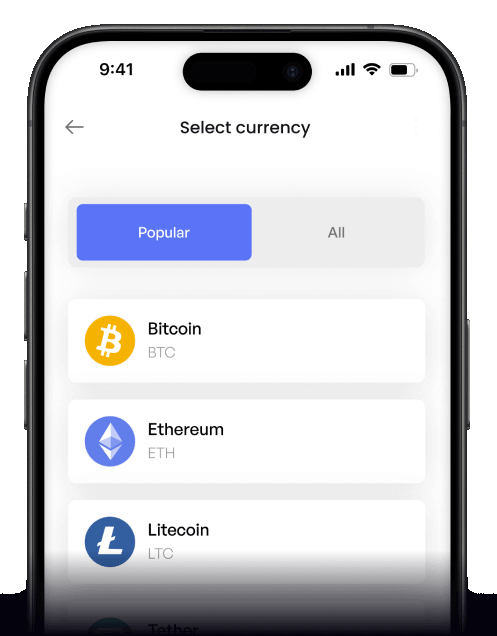
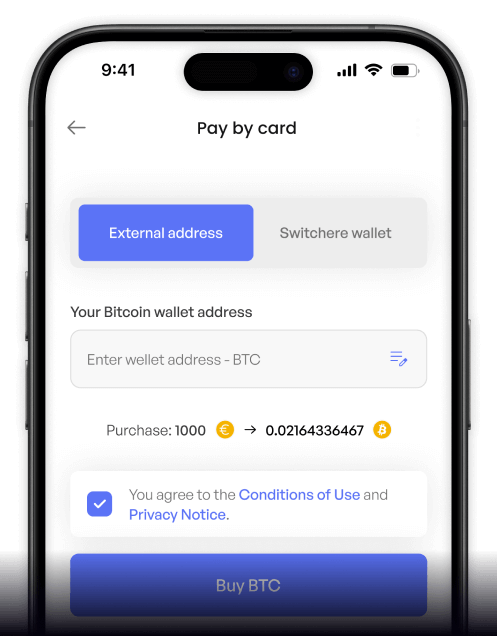
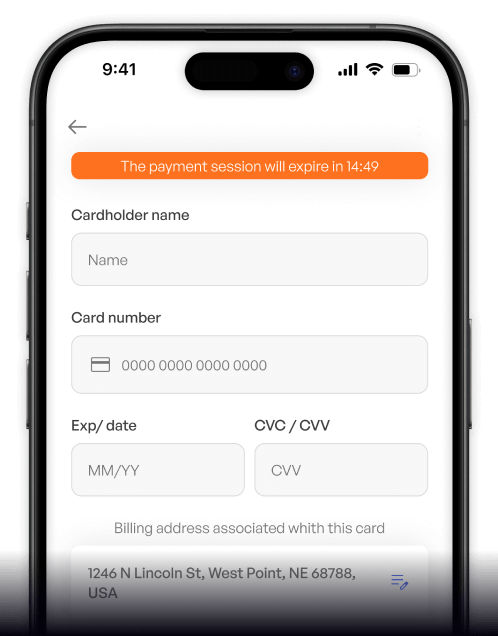
 Web
Web
Monedas populares para Colombian peso (COP)





Otras monedas para Colombian peso (COP)





Preguntas más frecuentes
-
¿Cómo puedo comprar ssv.network (SSV) con pesos colombianos (COP) utilizando una pasarela fiat?
Para adquirir tokens SSV usando COP, generalmente necesita usar un intercambio de criptomonedas que opere en el mercado latinoamericano. Dado que los pares de negociación directos de COP a SSV pueden tener menor liquidez, el proceso estándar implica una rampa de entrada fiat para comprar una moneda estable como USDT o USDC a través de transferencia bancaria local, PSE (Pagos Seguros en Línea) o Nequi. Una vez que posea la moneda estable, puede intercambiarla por SSV en el mercado al contado del intercambio. Asegúrese de que la plataforma cumpla con las regulaciones locales de KYC/AML para un comercio seguro. -
¿Cuál es la utilidad principal del token SSV dentro de la infraestructura de staking de Ethereum?
El token SSV impulsa la red ssv.network, actuando como el activo digital nativo de pago y gobernanza para la Tecnología de Validador Distribuido (DVT). Los stakers utilizan SSV para compensar a los operadores de nodos que gestionan su infraestructura de Secret Shared Validator. Este enfoque descentralizado mejora la tolerancia a fallos y la seguridad de los validadores de la Beacon Chain de Ethereum mediante soluciones de staking sin custodia. -
¿Existen métodos de pago locales en Colombia adecuados para financiar una cuenta para comprar SSV?
Sí, los usuarios en Colombia pueden aprovechar varios métodos de pago eficientes para financiar sus cuentas de activos digitales. PSE es muy popular para transferencias bancarias en tiempo real, junto con depósitos directos de los principales bancos como Bancolombia o billeteras digitales como Nequi y DaviPlata. Estos métodos sirven como pasarelas fiat eficientes, permitiéndole convertir sus pesos colombianos en liquidez digital para participar en el ecosistema DVT. -
¿Qué tarifas debo esperar al convertir pesos colombianos (COP) a tokens ssv.network (SSV)?
Realizar transacciones en la ruta de COP a SSV implica múltiples capas de tarifas. Primero, se aplican tarifas de rampa de entrada fiat al depositar pesos colombianos mediante transferencia bancaria local o tarjetas. Luego, se aplican las tarifas de negociación estándar de los intercambios de criptomonedas (tarifas de creador y tomador) al intercambiar COP o una moneda estable puente por SSV. Finalmente, si retira sus tokens a una billetera sin custodia para la operación de nodos descentralizados, incurrirá en tarifas de gas de la red Ethereum. -
¿Por qué es importante la Tecnología de Validador Distribuido (DVT) para las personas que compran y mantienen SSV?
La Tecnología de Validador Distribuido (DVT) mejora fundamentalmente el staking de Ethereum al dividir la clave de un validador en múltiples KeyShares distribuidas entre operadores de nodos independientes. Para los titulares de SSV, esto significa que ningún operador individual posee la clave completa, previniendo activamente puntos únicos de falla y riesgos de penalización (slashing). Proporciona una infraestructura altamente segura y descentralizada para participar en la red sin sacrificar la custodia de los activos.

Compra desde cualquier lugar
En cualquier lugar. En cualquier momento.
Compra criptomonedas con tu tarjeta de crédito desde cualquier lugar. Tipos de cambio en tiempo real, comisiones transparentes y 3D Secure en cada pedido: toda la experiencia de compra con tarjeta de Switchere en tu bolsillo.



Escanea el código para descargar la aplicación para iOS y Android

